
Written by

Edited by

Affiliate Disclosure:
If you buy through links on our site, we may earn a small affiliate commission to help support the blog – at no extra cost to you. It never influences our product selection process. Thank you!
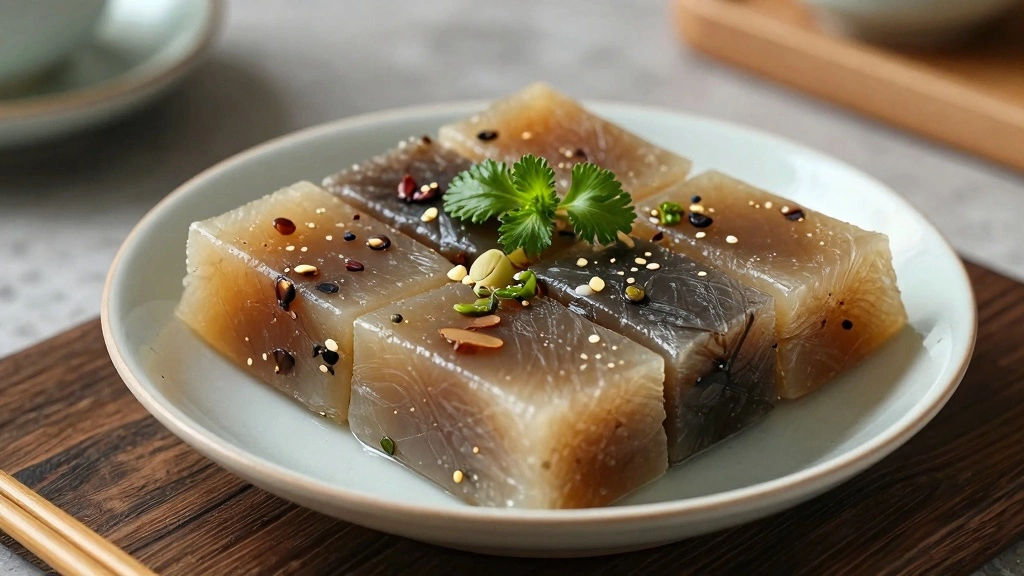
Chinese New Year Cake, or Nian Gao, is a beloved treat that holds a special place in the celebration of the Lunar New Year.
Its sticky, sweet texture is as delightful to the palate as its cultural significance is profound.
With each bite, you experience a symphony of flavors that blend the richness of brown sugar with the subtlety of rice flour.
Nian Gao symbolizes progress, growth, and the promise of a prosperous year ahead.
This simple yet elegant dessert is a testament to the beauty of Chinese culinary tradition.
Whether you’re celebrating with family or sharing with friends, this cake promises to bring joy and good fortune to your table.
• The dish evolved over decades as the introduction of brown sugar and other sweeteners transformed its flavor, eventually becoming the beloved version we know today.
• In Chinese culture, this dish traditionally appears at Lunar New Year celebrations, symbolizing the hope for prosperity and the promise of a better year.
• While many variations exist across different regions, the authentic version maintains its signature chewy texture that sets it apart from imitations.
Mixing Bowl: A large mixing bowl allows for the proper combination of ingredients, ensuring a smooth batter. Glass or stainless steel is ideal, but plastic can work in a pinch.
Spatula: A heat-resistant spatula is important for mixing the batter and scraping down the sides of the bowl to incorporate all ingredients thoroughly. Look for one with a flexible head for easy maneuvering.
| Amount | Ingredient | Notes |
|---|---|---|
| 2 cups | glutinous rice flour | gives the cake its signature sticky texture |
| 1.5 cups | water | for mixing into a smooth batter |
| 1 cup | brown sugar | adds a rich, caramelized sweetness |
| 1 teaspoon | vanilla extract | enhances the flavor |
| 1 pinch | salt | balances the sweetness |
Mixing Technique: Properly mixing the batter is essential to avoid lumps. Gradually incorporate water into the flour, stirring constantly for a smooth consistency.
Cooling Method: Allowing the cake to cool slowly is important to set its texture. Avoid sudden temperature changes to prevent cracking.
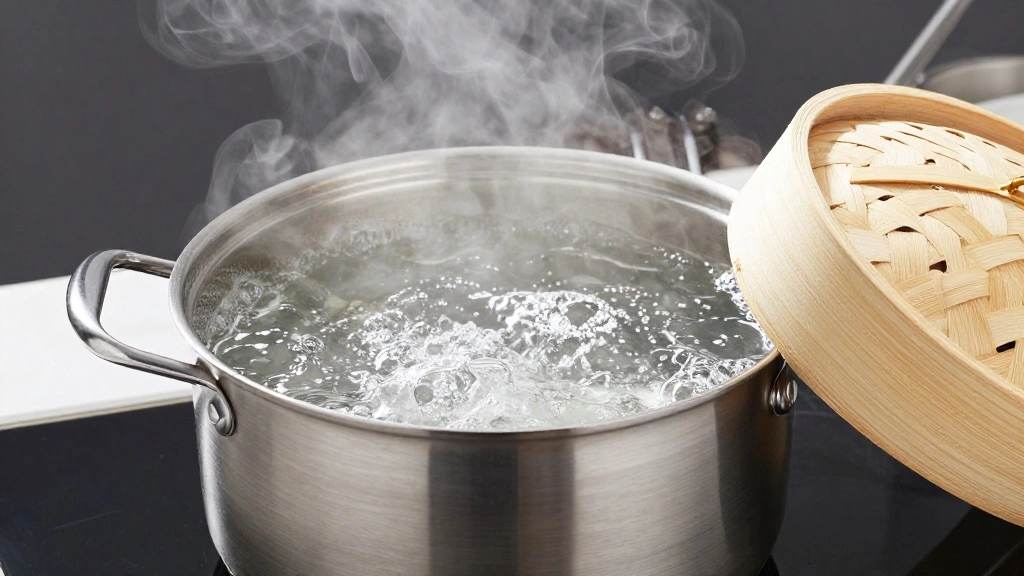
Ensure the steamer basket is clean and dry.
Keep the lid nearby to maintain steam during cooking.
Adjust heat to keep the water at a rolling boil.
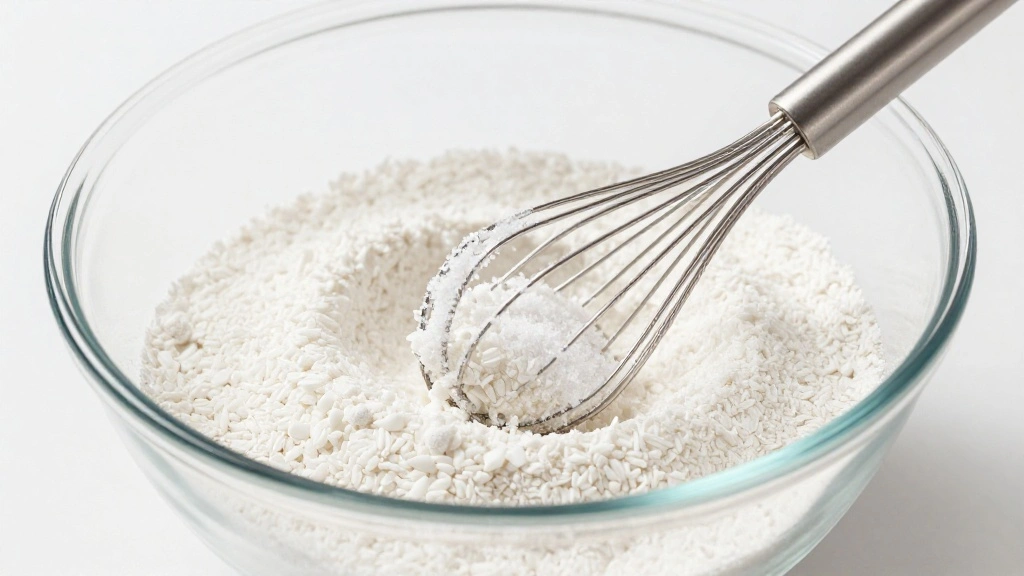
Stir with a whisk to ensure even distribution.
Check for any clumps and break them up.
Set aside the dry mixture for blending with wet ingredients.
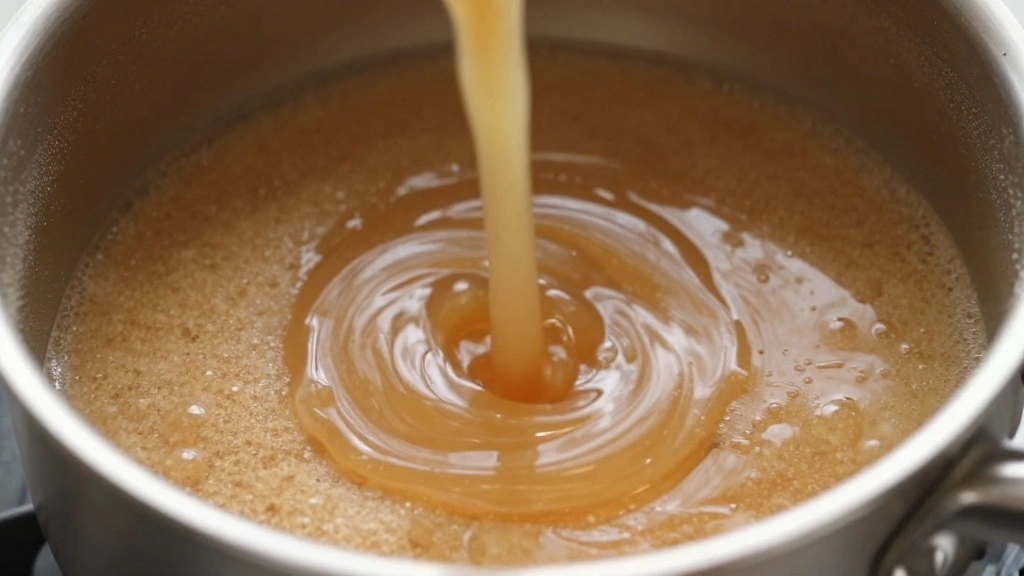
Heat over medium heat until the sugar dissolves completely.
Stir occasionally to prevent sticking.
Remove from heat once the mixture is smooth and syrupy.
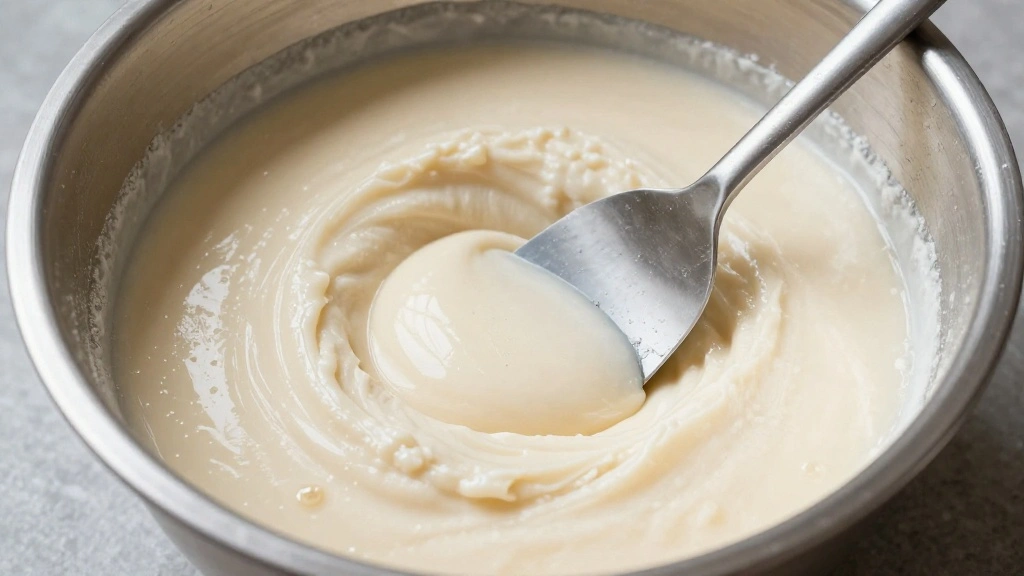
Stir constantly with a spatula to prevent lumps.
Add vanilla extract and continue to mix until smooth.
Ensure the batter is free of clumps and evenly mixed.
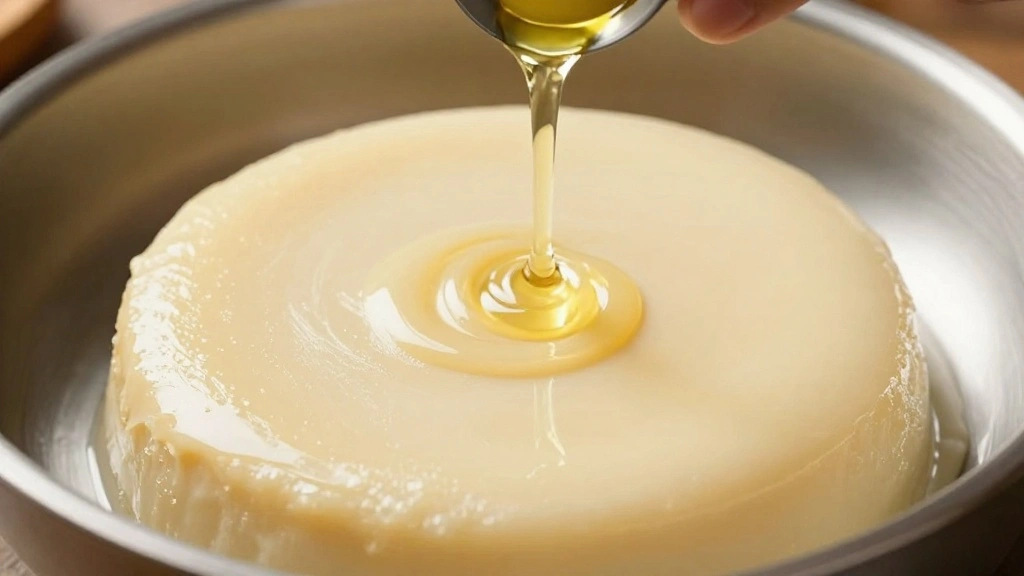
Ensure the entire surface is coated to prevent sticking.
Pour the batter into the prepared mold.
Tap the mold gently to release any air bubbles.
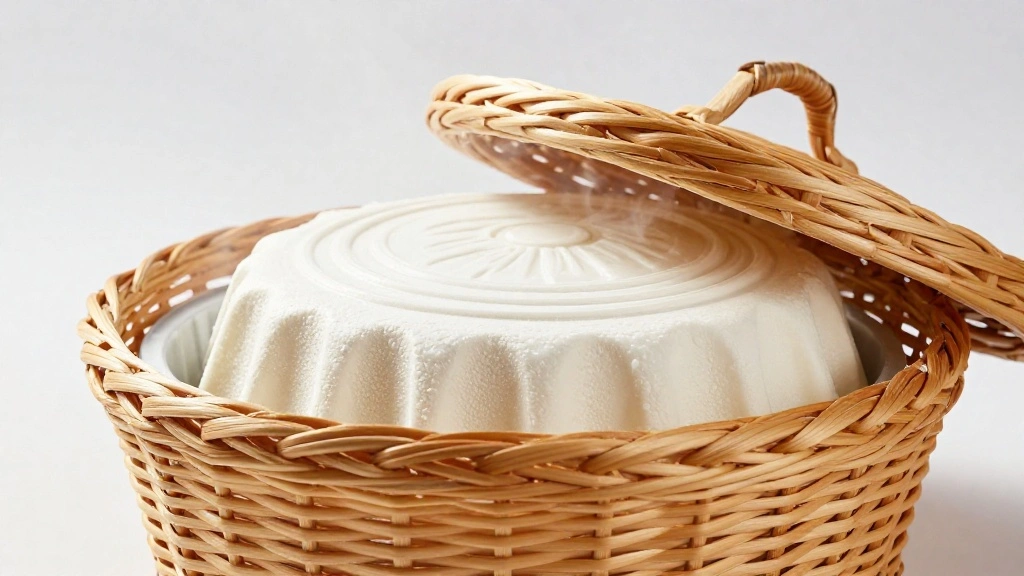
Cover with a lid and steam for 90 minutes.
Check water level periodically to maintain steam.
Ensure the cake sets and firms up during steaming.
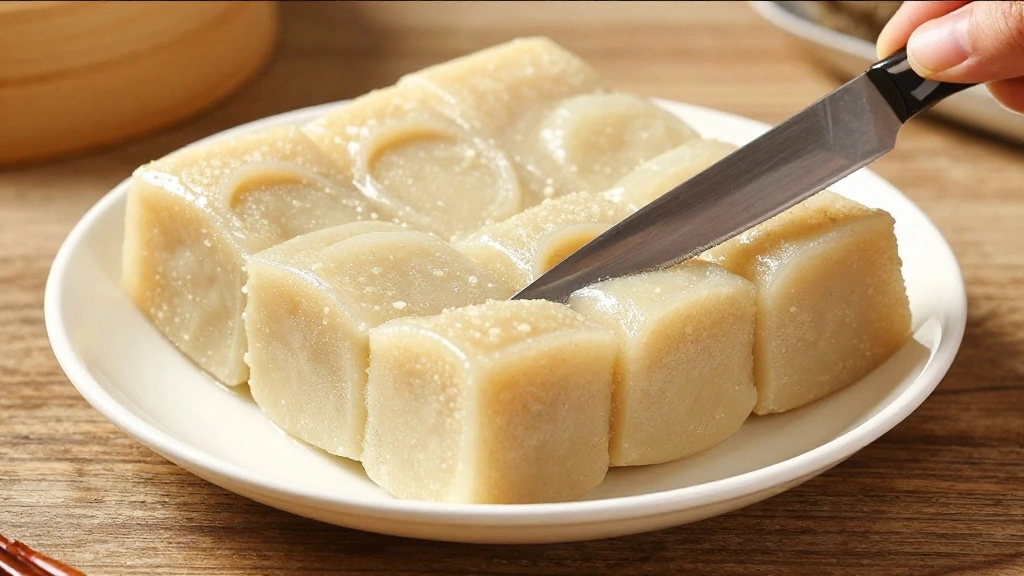
Allow it to cool in the mold for at least 20 minutes.
Run a knife around the edges to loosen.
Invert the cake onto a serving plate.
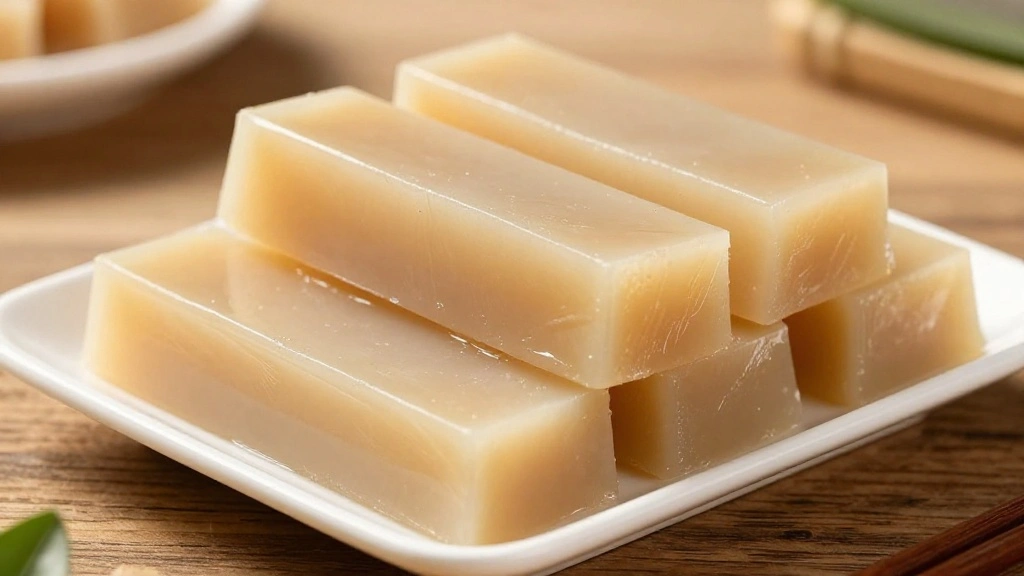
Use a sharp knife for clean cuts.
Arrange slices neatly on a serving platter.
Serve warm or at room temperature for best flavor.
Steaming: Steam at a consistent high temperature (boiling) for exactly 90 minutes. Ensure water does not run dry to prevent undercooking.
Cooling: Allow to cool for at least 20 minutes before slicing. Rushing this step can lead to a misshapen cake.
• Preparation Secret: Allowing the sugar syrup to cool slightly before mixing prevents premature cooking of the flour and ensures a smooth batter.
• Temperature Management: Keep steaming water at a consistent boil. Fluctuations can lead to uneven cooking.
• Texture Enhancement: Ensure batter is lump-free for a smooth, sticky texture. Strain through a sieve if necessary.
• Flavor Layering: Adding a dash of vanilla enhances the sweetness and complements the caramel notes of the brown sugar.
• Make-Ahead Strategies: Nian Gao can be made a day ahead and stored in a cool, dry place. Re-steam before serving to regain its soft texture.
• Restaurant-Quality Finishing Touches: Garnish with sesame seeds or edible gold for an elegant presentation.
• Equipment Optimization: If using a metal steamer, line the basket with parchment to prevent sticking.
• Cake Sticks to Mold: Inadequate greasing or insufficient cooling can cause sticking. Ensure thorough greasing and allow the cake to cool before removing.
• Flavor Too Bland: This happens if the sugar syrup is too diluted. Ensure a rich syrup consistency before adding to the flour mixture.
• Uneven Cooking: Often due to uneven steaming. Ensure a consistent boil and rotate the mold halfway through steaming if necessary.
• Cracking: A sudden temperature change can cause this. Allow the cake to cool slowly in a stable environment.
• Shanghai Style: Uses white sugar instead of brown and includes a hint of citrus zest for a refreshing twist.
• Traditional Northern Chinese: Often includes red bean paste filling, adding a savory-sweet element.
• Modern Fusion: Incorporates matcha or chocolate for a contemporary take on this classic dish.
• Caramelization: Brown sugar caramelizes during cooking, enhancing the flavor profile with rich, sweet notes.
• Heat Transfer in Steaming: Steaming ensures gentle heat transfer, cooking the cake evenly without drying it out.
Can I substitute regular rice flour for glutinous rice flour? No, glutinous rice flour is essential for achieving the sticky texture unique to Nian Gao.
How can I prevent my cake from sticking to the mold? Thoroughly grease the mold with oil and allow the cake to cool before attempting to remove it.
Is it possible to make Nian Gao without a steamer? While a steamer is recommended, a pot with a tight-fitting lid and a heatproof plate can serve as an alternative.
How do I store leftover Nian Gao? Store leftovers in an airtight container at room temperature for up to 3 days. Re-steam slices before serving.
Why is my Nian Gao cracking? Cracking can occur if the cake cools too quickly. Allow it to cool slowly in a stable environment.
Can I add other flavors to the cake? Yes, flavors like matcha or citrus zest can be added for a unique twist on the traditional recipe.
• Modern Presentation: Slice into small squares and serve on elegant dessert plates with a drizzle of honey.
• Casual Presentation: Serve warm slices directly from the mold as part of a home-style meal.
• Elegant Buffet: Arrange slices on a tiered stand with other traditional New Year treats for an appealing display.
By following this recipe, you’ll not only create a delicious treat but also partake in a cherished cultural ritual.
Try making Nian Gao this season and enjoy the warmth and joy it brings to your celebration.

Chinese Recipes
Chinese Recipes
Chinese Recipes
Chinese Recipes
Chinese Recipes