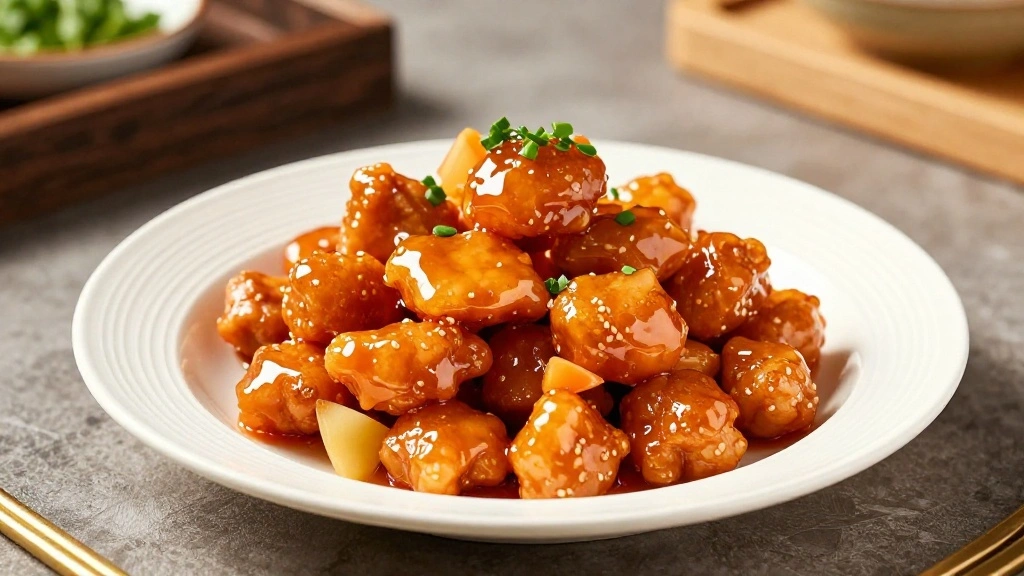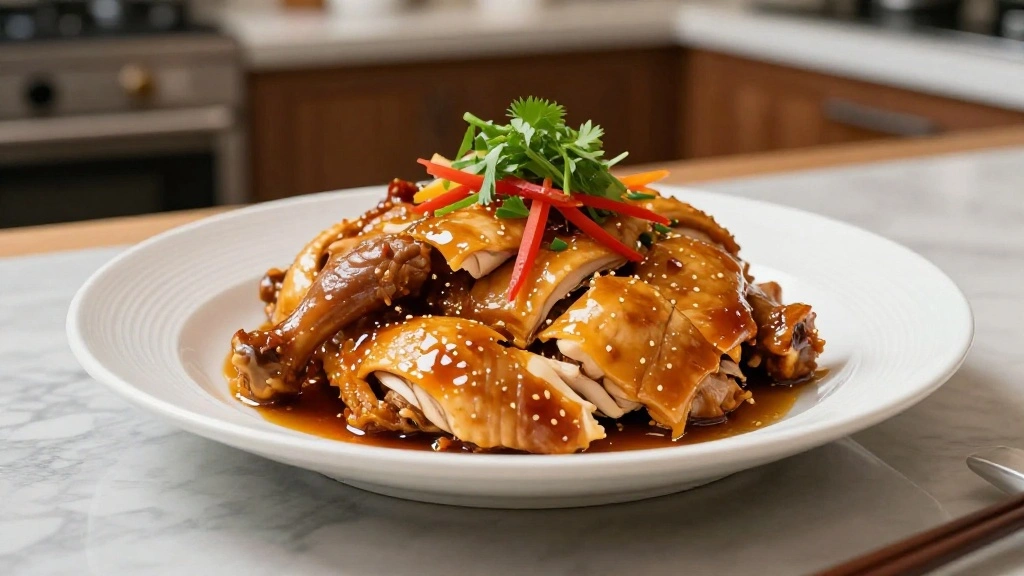

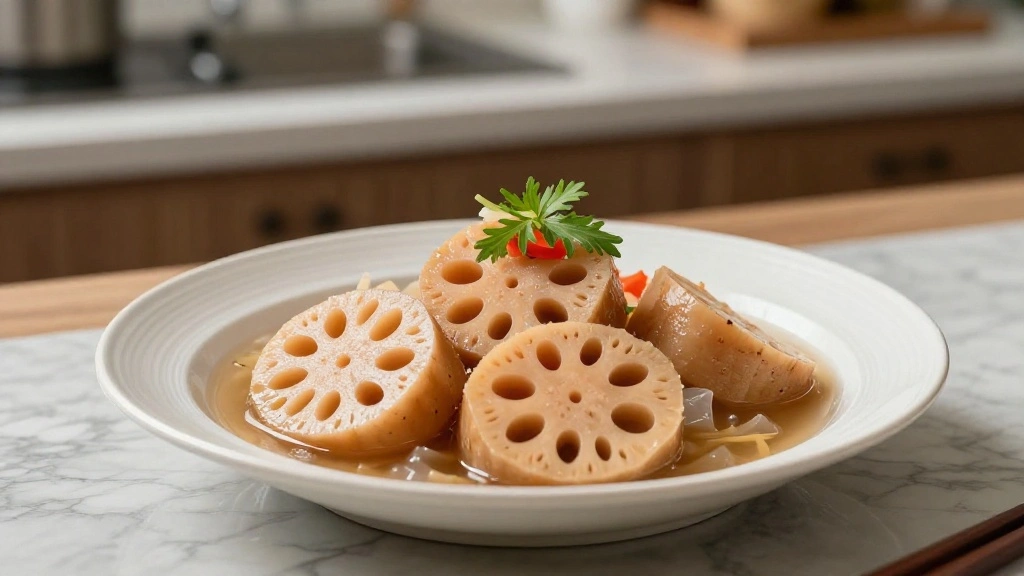


The Traditional Chinese Lotus Root Soup is a timeless dish that embodies the essence of comforting home-cooked meals.
Renowned for its light yet nourishing broth, this soup captures the delicate balance of earthy flavors and refreshing textures.
I first encountered this dish during a family gathering, where its subtle aroma brought everyone to the table.
It’s a staple in Chinese cuisine, often enjoyed during the cooler months to fortify the body and soul.
Whether you’re savoring it on a quiet evening or sharing it with loved ones, this soup promises warmth and satisfaction.
The History and Cultural Significance
• Chinese Lotus Root traces its origins to the Jiangsu province, where it was originally created by local farmers seeking a nutritious meal.
• The dish evolved over decades as ingredients like goji berries and red dates were added, eventually becoming the beloved version we know today.
• In Chinese culture, this dish traditionally appears at family gatherings and New Year celebrations, symbolizing unity and prosperity.
• While many variations exist across different regions, the authentic version maintains its clear, aromatic broth that sets it apart from imitations.


Recipe Overview
Nutritional Information (per serving)


Essential Equipment Guide
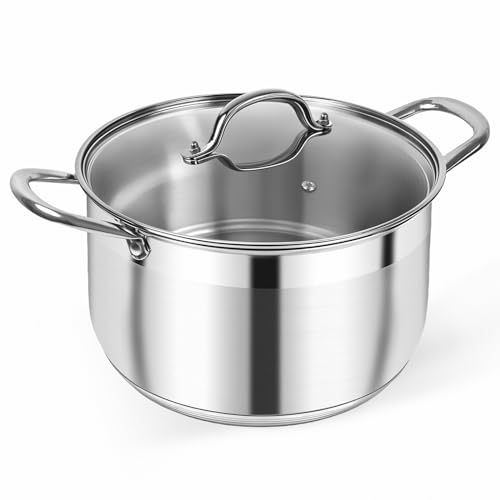
Stock Pot: A large stock pot is essential for simmering the soup to extract maximum flavor from the ingredients. Alternatives like a Dutch oven can work, but ensure it’s large enough to hold all components comfortably.
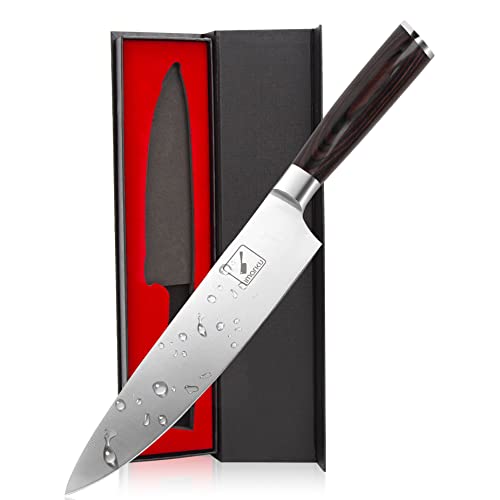
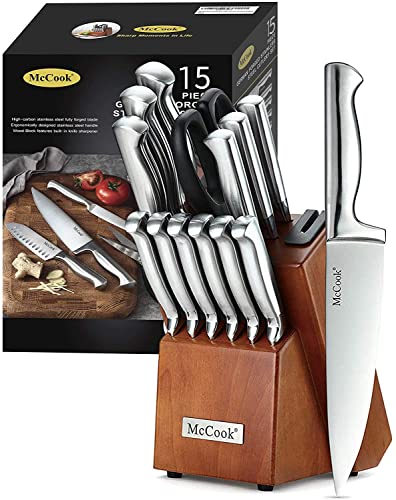
Sharp Knife: A sharp knife is crucial for slicing the lotus root thinly and evenly, ensuring uniform cooking. Look for a knife with a comfortable grip and a well-maintained blade.
Strainer: A fine mesh strainer helps remove impurities from the broth, resulting in a clear soup. A cheesecloth can be an alternative if a fine mesh strainer isn’t available.


Ingredients
For the Soup Base
|
|
| Amount | Ingredient | Notes |
|---|---|---|
| 1 pound | lotus root | peeled and sliced thin |
| 8 cups | water | base for the soup |
| 1 large | carrot | sliced into rounds |
| 1 pound | pork ribs | adds richness and depth |
Seasonings
| Amount | Ingredient | Notes |
|---|---|---|
| 2 tablespoons | soy sauce | for umami flavor |
| 1 teaspoon | salt | to taste |
| 1 tablespoon | ginger | sliced, for warmth |
Additional Ingredients
| Amount | Ingredient | Notes |
|---|---|---|
| 1 small bunch | cilantro | for garnish |
| 10 pieces | goji berries | adds a hint of sweetness |
| 5 pieces | red dates | enhances flavor |


Preparation Methods
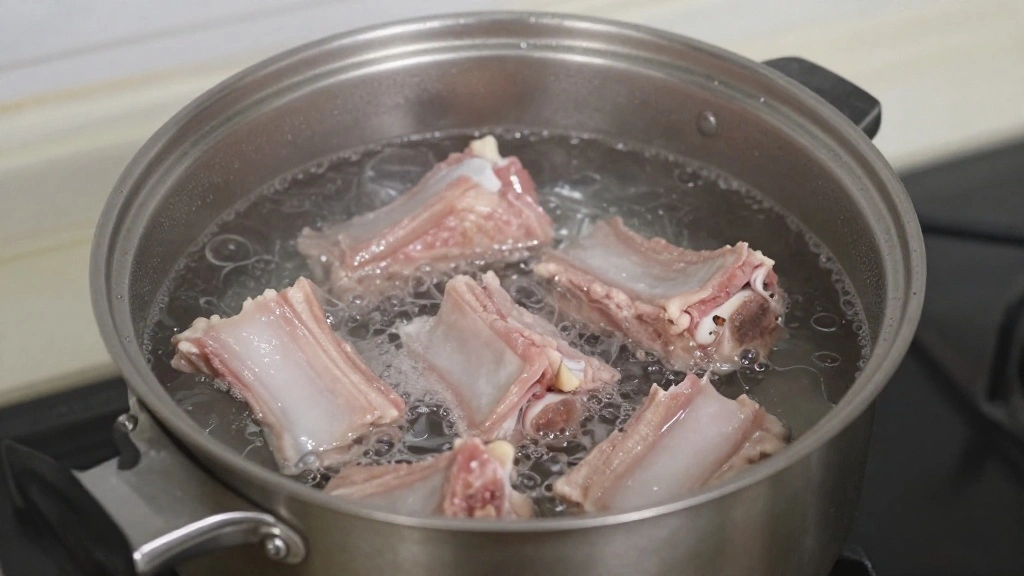
Blanching: Blanching the pork ribs is an essential step that removes impurities and excess fat, ensuring a clear broth. Bring a pot of water to a boil, add the ribs, and boil for 5 minutes before rinsing under cold water.
Lotus Root Preparation: Properly peeling and slicing the lotus root thinly is critical for even cooking and texture. Use a sharp knife and cut across the fibrous lines for the best results.
Simmering: Slow simmering is key to developing the soup's flavors. Maintain a gentle simmer to extract flavors without boiling, which can cloud the broth.


Step 1: Prepare Ingredients

Gather all ingredients and ensure they are fresh and ready for use.
Peel and slice the lotus root into thin rounds.
Slice the carrot into rounds and prepare the ginger by slicing it thinly.
Rinse the pork ribs under cold water.


Step 2: Blanch the Pork Ribs
Fill a pot with water and bring it to a boil.
Add the pork ribs and boil for 5 minutes to remove impurities.
Drain the ribs and rinse them under cold water.
Set aside for later use.


Step 3: Start the Soup Base
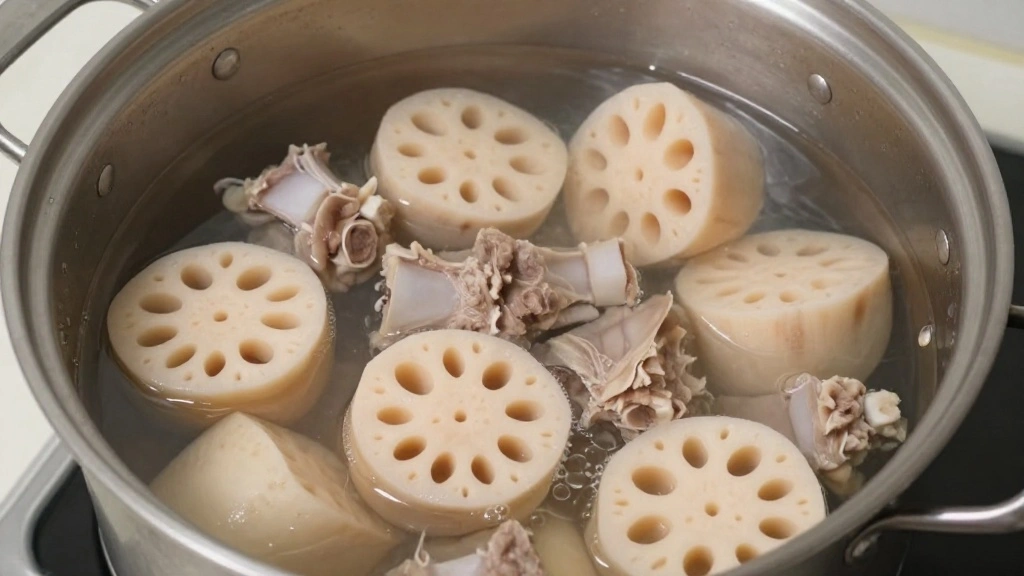
Add 8 cups of water to a large stock pot.
Bring the water to a gentle simmer.
Add the blanched pork ribs, sliced lotus root, and carrot rounds.
Allow the soup to simmer for 30 minutes.


Step 4: Add Seasonings
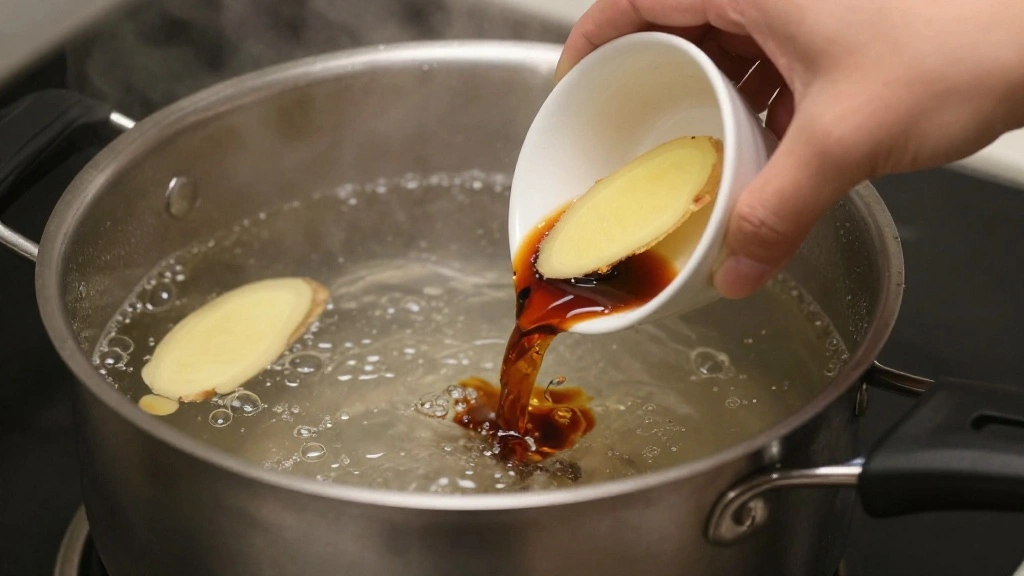
Stir in the soy sauce and salt to taste.
Add the sliced ginger to the pot.
Ensure the seasonings are well distributed.
Continue to simmer for an additional 20 minutes.


Step 5: Add Finishing Ingredients
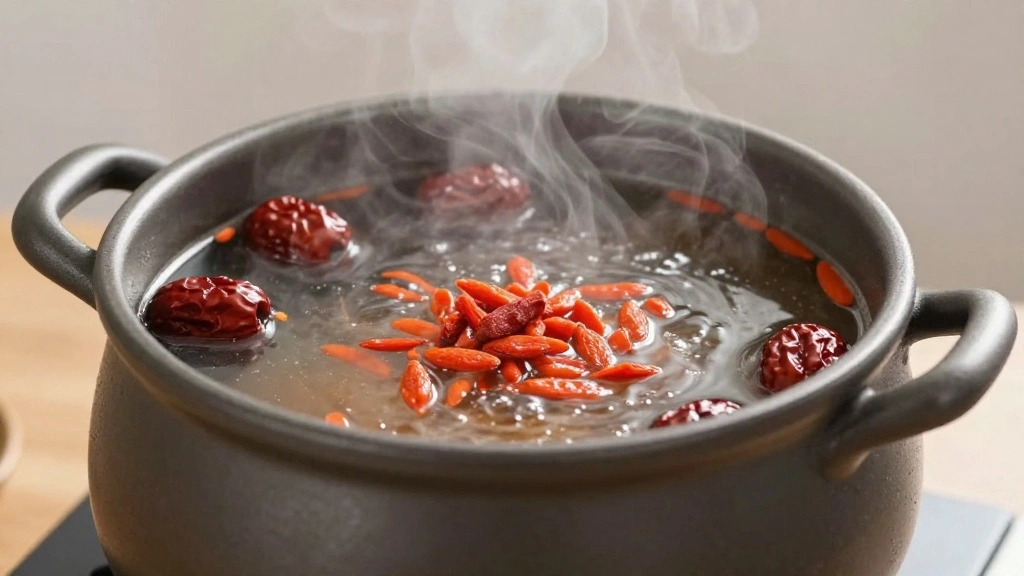
Introduce the goji berries and red dates to the pot.
Stir gently to incorporate.
Simmer for another 10 minutes to meld flavors.
Turn off the heat and let the soup rest for a few minutes.


Step 6: Strain the Broth
Use a fine mesh strainer to remove any impurities from the broth.
Ensure the broth is clear and free of debris.
Return the strained broth to the pot if needed.
Keep the soup warm.


Step 7: Garnish the Soup
Chop fresh cilantro and set aside for garnish.
Ladle the soup into serving bowls.
Sprinkle the chopped cilantro over each bowl.
Serve immediately for the best flavor.


Step 8: Serve and Enjoy
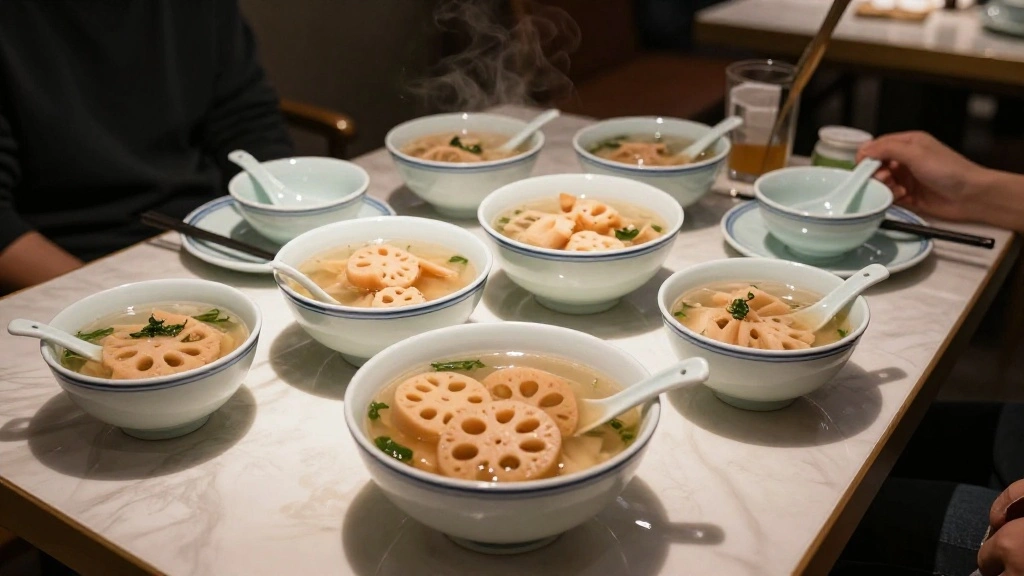
Ensure each bowl has a generous portion of lotus root and pork ribs.
Check the seasoning balance and adjust if necessary.
Present the soup at the table with extra cilantro on the side.
Enjoy the heartwarming flavors of this traditional dish.


Critical Timing and Temperature Guide
Simmering the Soup: Maintain a gentle simmer at around 185°F (85°C) for 60 minutes. Look for small bubbles and a clear broth, avoiding a rolling boil that can cloud the soup.
Blanching Pork Ribs: Boil the ribs for exactly 5 minutes at 212°F (100°C) to effectively remove impurities. Over-boiling can lead to tough meat.
Final Cooking Phase: After adding the goji berries and red dates, simmer for an additional 10 minutes to allow flavors to meld. Avoid overcooking, which can lead to mushy ingredients.
Pro Tips for Chinese Lotus Root
• Ingredient Selection: Choose lotus roots that are firm with a smooth, unblemished skin for the best texture and flavor.
• Preparation Secret: Soak sliced lotus root in vinegar water to prevent discoloration and maintain its crispness.
• Temperature Management: Always start with cold water when making stock to extract the most flavor from the pork ribs.
• Texture Enhancement: Slice lotus root thinly and evenly to ensure a tender yet slightly crisp texture when cooked.
• Flavor Layering: Add a few drops of sesame oil at the end of cooking for a nutty depth that complements the broth.
• Make-Ahead Strategies: Prepare the soup base a day in advance and store in the refrigerator to allow flavors to deepen.
• Restaurant-Quality Finishing Touches: Garnish with finely sliced green onions for a fresh, aromatic touch.
• Equipment Optimization: Use a heavy-bottomed pot to maintain even heat distribution and prevent scorching.

Troubleshooting Common Issues
• Cloudy Broth: This is often caused by boiling instead of simmering. To fix, strain the broth and simmer gently, avoiding vigorous stirring.
• Flavor Too Mild: If the soup lacks depth, increase the simmering time or add more ginger and soy sauce to enhance the profile.
• Lotus Root Too Soft: Overcooking can cause the lotus root to become mushy. Ensure slices are uniform and reduce cooking time slightly.
• Ribs Tough: This can result from improper blanching or overcooking. Blanch correctly and cook at a gentle simmer for tender meat.
• Overpowering Ginger: If ginger flavor is too strong, reduce the amount or slice it thicker to release flavor more slowly.
• Unbalanced Saltiness: If the soup is too salty, add a small piece of peeled potato to the pot to absorb excess salt, then remove before serving.


Variations and Regional Differences
• Cantonese Style: This version includes dried squid and peanuts, adding a unique umami flavor and a nutty texture to the broth.
• Sichuan Variation: Known for its spicy kick, this variation incorporates Sichuan peppercorns and chili oil for a bold, fiery taste.
• Vegetarian Adaptation: Replaces pork ribs with shiitake mushrooms and tofu, providing a rich, umami flavor suitable for plant-based diets.
• Hakka Style: This style features a more robust broth with the addition of fermented black beans and preserved vegetables for depth.
Food Science Behind the Recipe
• Gelatin Extraction: Slow simmering of pork ribs releases gelatin, creating a rich, full-bodied broth that enhances mouthfeel.
• Maillard Reaction: Blanching the ribs initiates the Maillard reaction, contributing to the development of complex flavors in the broth.
• Acid-Base Balance: Adding a small amount of vinegar to the water when preparing lotus root helps maintain its crispness by balancing pH levels.



Frequently Asked Questions
What's the most common mistake people make when preparing Traditional Chinese Lotus Root Soup? The most common mistake is boiling the soup too vigorously, which results in a cloudy broth and tough meat.
Can I make this soup vegetarian? Yes, by substituting pork ribs with mushrooms and adding tofu, you can create a flavorful vegetarian version.
How do I store leftovers? Store leftover soup in an airtight container in the refrigerator for up to 3 days. Reheat gently to preserve texture.
What can I use as a substitute for lotus root? While lotus root has a unique texture, you can use water chestnuts for a similar crunchy texture.
Is it possible to freeze this soup? Yes, freeze the soup in portions, but avoid including cilantro as it does not freeze well.
How can I enhance the flavor of the broth? Adding a few slices of dried shiitake mushrooms during simmering can deepen the umami flavor.
Can I use chicken instead of pork ribs? Absolutely, chicken can be a lighter alternative, but it will change the flavor profile slightly.
Serving and Presentation Guide
• Traditional Presentation: Serve the soup in large ceramic bowls with a sprinkle of fresh cilantro and sliced green onions on top.
• Elegant Dining: Present the soup in individual small porcelain bowls with a side of steamed jasmine rice.
• Family Style: Serve in a large communal pot at the center of the table, allowing guests to ladle their portions.
• Modern Twist: Use clear glass bowls to showcase the beautiful ingredients, with a small side dish of pickled vegetables for contrast.


Conclusion
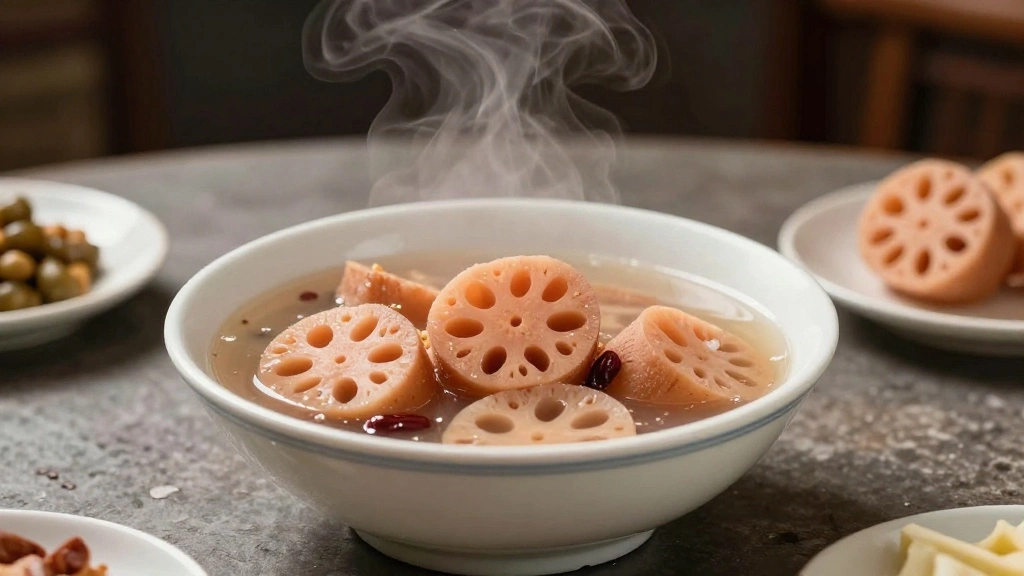
Traditional Chinese Lotus Root Soup is more than just a meal; it's a celebration of flavor and heritage.
Its nourishing qualities and exquisite taste make it a perfect addition to any culinary repertoire.
Try this recipe and experience the warmth and satisfaction that has delighted families for generations.