
Written by

Edited by

Affiliate Disclosure:
If you buy through links on our site, we may earn a small affiliate commission to help support the blog – at no extra cost to you. It never influences our product selection process. Thank you!
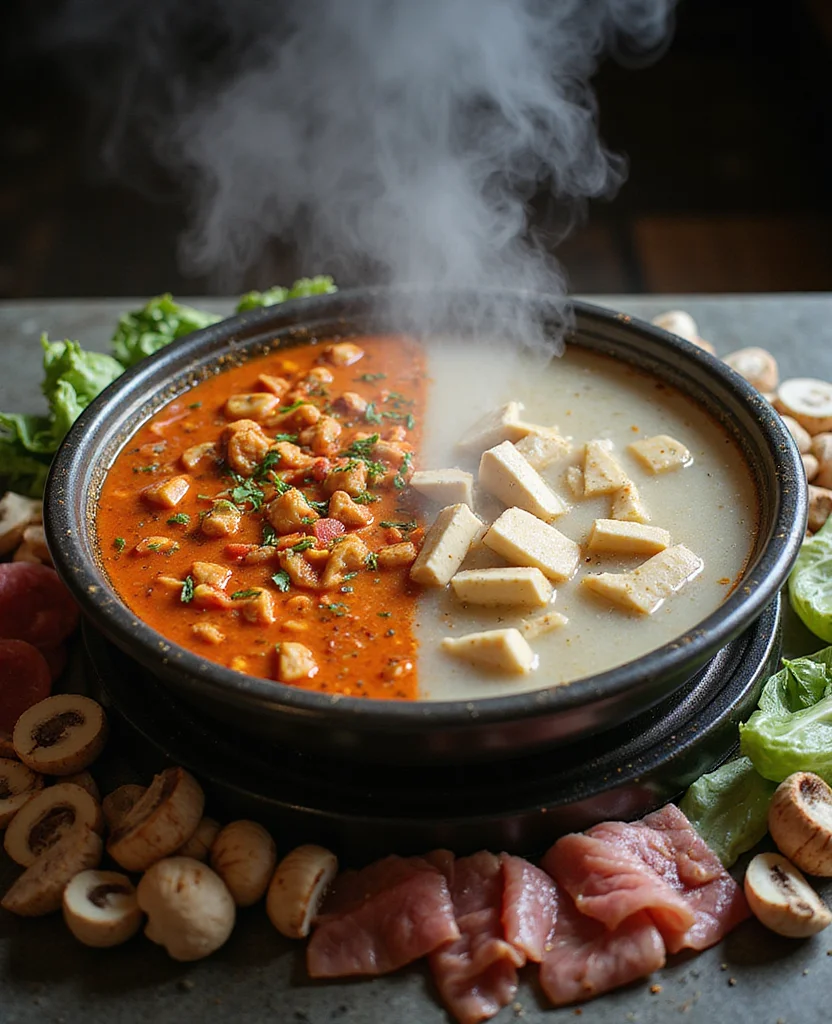
This classic Chinese Hotpot brings together centuries of culinary tradition with modern techniques to create a dish that’s both comforting and elegant.
The harmonious balance of spicy, savory, and umami flavors creates a memorable dining experience that will have everyone asking for your secret.
I discovered this recipe during my travels through Sichuan province, where local chefs have perfected it through generations of careful refinement.
Whether you’re preparing a casual family dinner or hosting a special celebration, this Chinese Hotpot delivers impressive results with straightforward preparation.
Chinese Hotpot is perfect for cold winter nights, offering warmth and nourishment in every bowl.
• The dish evolved over decades as regional variations introduced new ingredients like chili peppers and Sichuan peppercorns, eventually becoming the beloved version we know today.
• In Chinese culture, this dish traditionally appears at family gatherings and celebratory events, symbolizing unity and togetherness.
• While many variations exist across different regions, the authentic version maintains the communal cooking experience that sets it apart from imitations.
Slotted Spoon or Strainer: Useful for retrieving cooked ingredients from the broth, ensuring even cooking and minimizing mess. Look for one with a heat-resistant handle.
Soup Ladle: Important for serving broth into individual bowls, a ladle with a long handle ensures ease of use and safety from hot splashes. Choose a stainless steel or heat-resistant material.
| Amount | Ingredient | Notes |
|---|---|---|
| 8 cups | chicken stock | provides a rich base |
| 2 tablespoons | soy sauce | adds depth of flavor |
| 2 tablespoons | Sichuan peppercorns | for a numbing spice |
| 4 slices | ginger | aromatic |
| 4 cloves | garlic | crushed, for pungency |
| Amount | Ingredient | Notes |
|---|---|---|
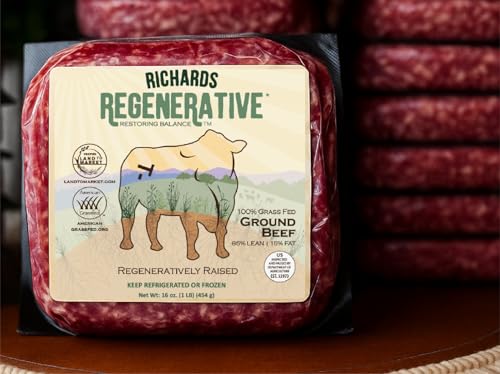
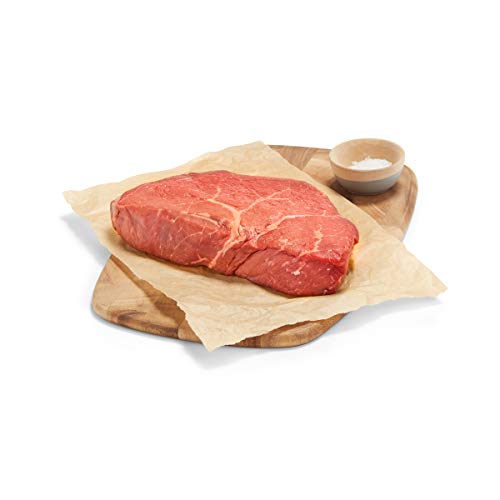
| 200 grams | thinly sliced beef | quick cooking |
| 200 grams | thinly sliced lamb | tender texture |
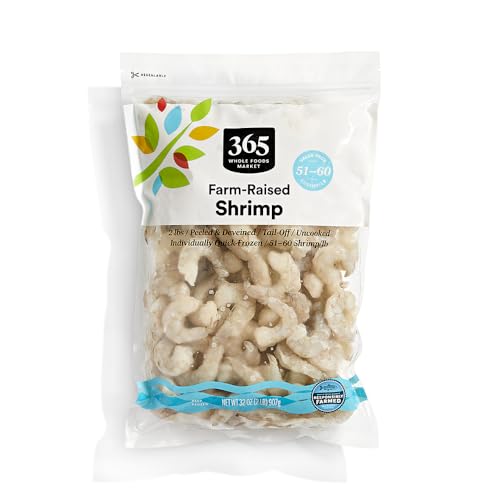
| 200 grams | shrimp | adds sweetness |
| Amount | Ingredient | Notes |
|---|---|---|
| 2 cups | bok choy | adds freshness |
| 1 cup | mushrooms | umami flavor |
| 1 cup | lotus root | crunchy texture |
| Amount | Ingredient | Notes |
|---|---|---|
| 4 tablespoons | sesame paste | nutty richness |
| 2 tablespoons | soy sauce | salty depth |
| 1 tablespoon | chili oil | spicy kick |
| 1 tablespoon | vinegar | tangy balance |
Preparing Broth: Simmering the broth slowly allows flavors to develop fully. Skim impurities from the surface to ensure clarity.
Balancing Flavors: Taste the broth and adjust with soy sauce, salt, or vinegar to achieve a perfect balance of spicy, salty, and sour notes.
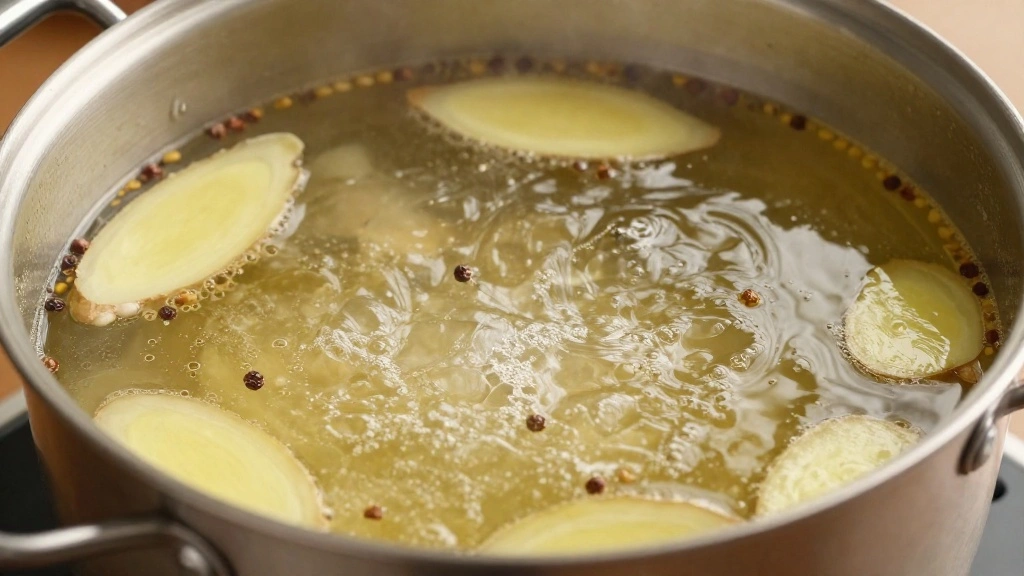
Bring to a simmer over medium heat.
Let the broth simmer for 30 minutes to develop flavors.
Skim any impurities from the surface for a clean broth.
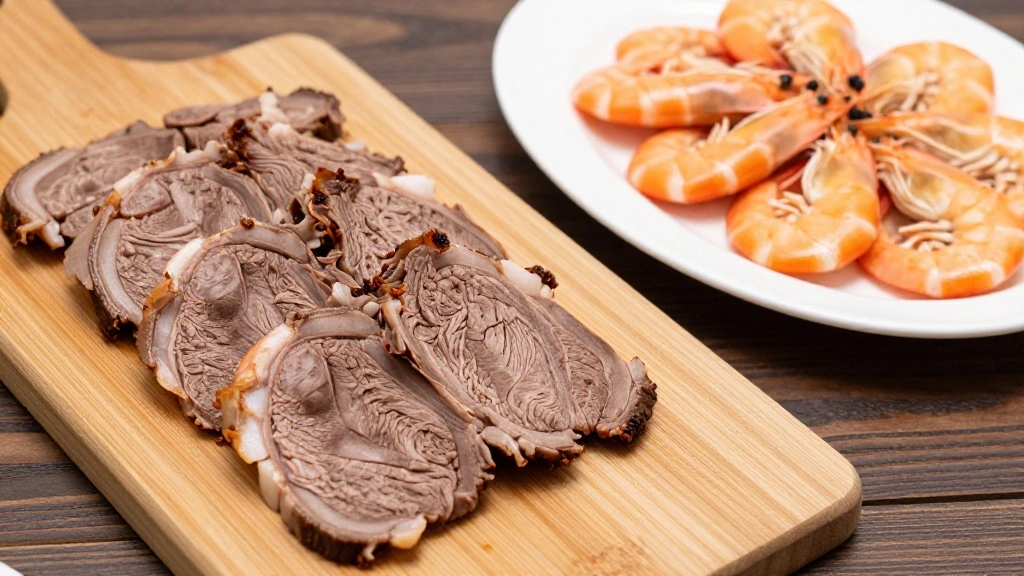
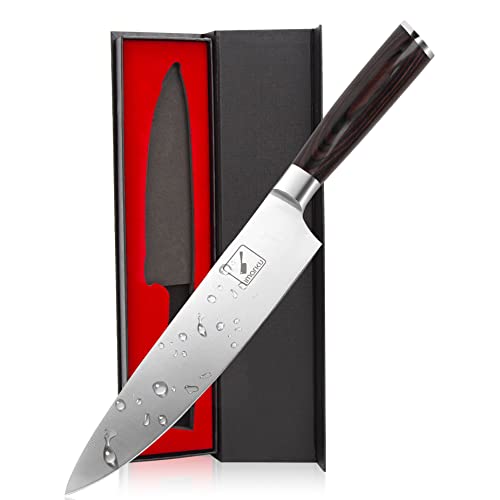
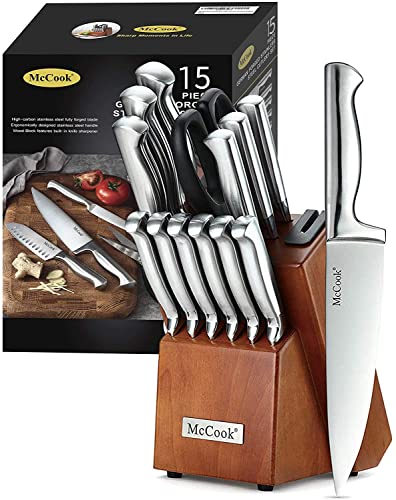
Use a sharp knife to slice beef and lamb thinly.
Peel and devein the shrimp, leaving tails intact.
Arrange proteins neatly on a serving platter.
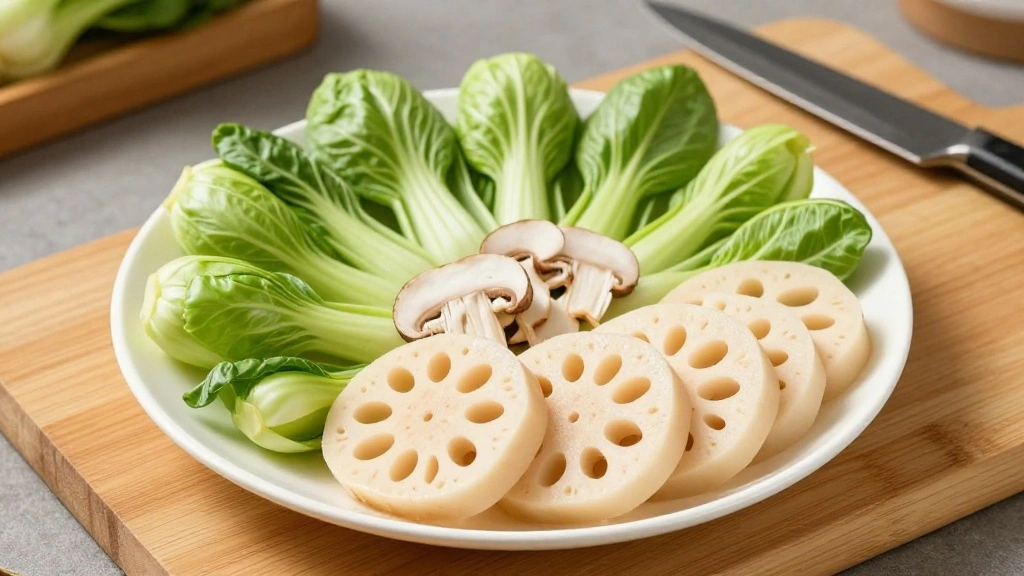
Slice mushrooms and lotus root thinly for quick cooking.
Arrange vegetables on a separate platter.
Keep vegetables refrigerated until ready to serve.
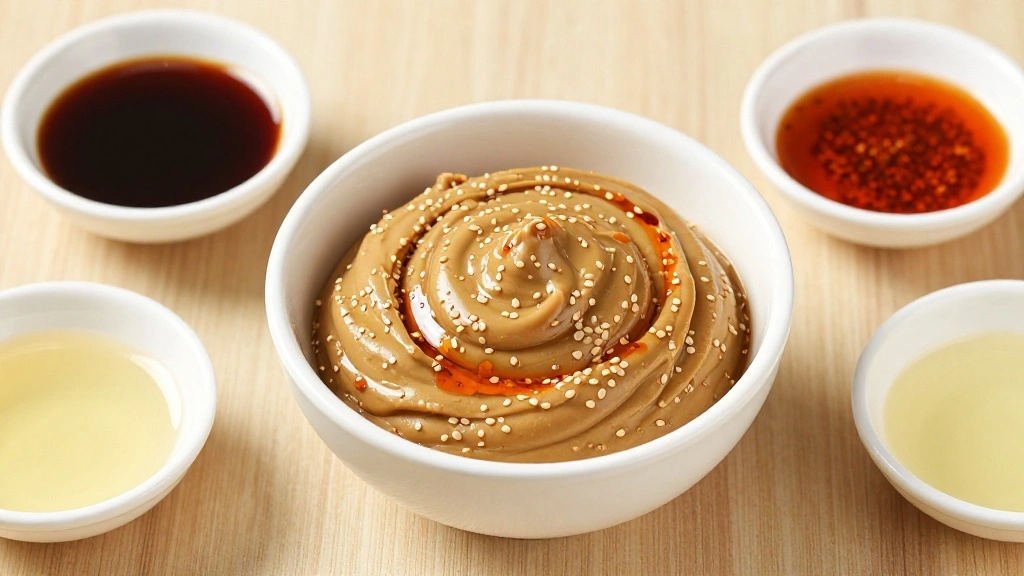
Mix well until smooth and blended.
Taste and adjust seasoning as needed.
Divide sauce into individual serving bowls.
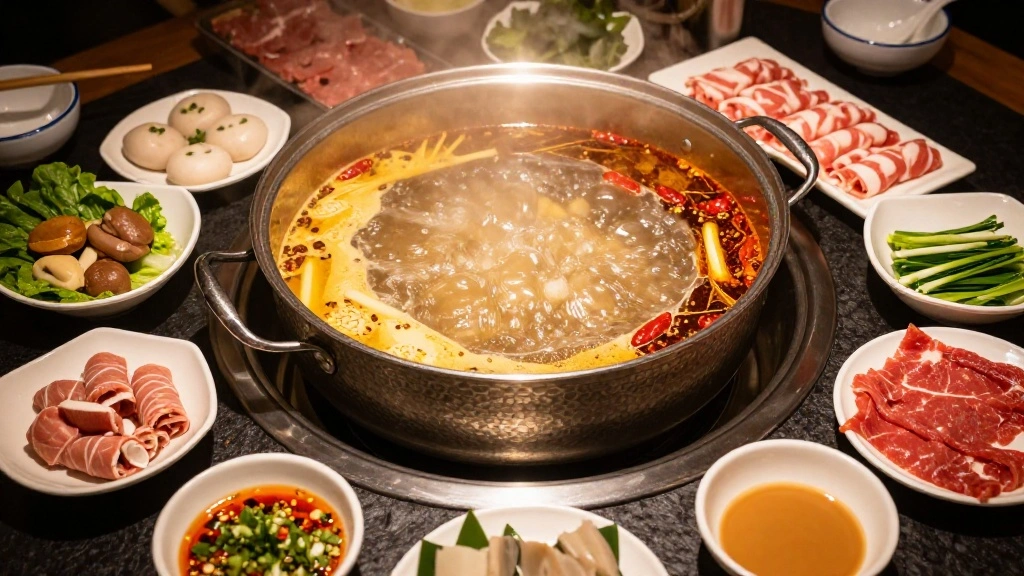
Pour the prepared broth into the cooker.
Set the cooker to maintain a gentle simmer.
Arrange platters of proteins, vegetables, and sauces around the cooker.
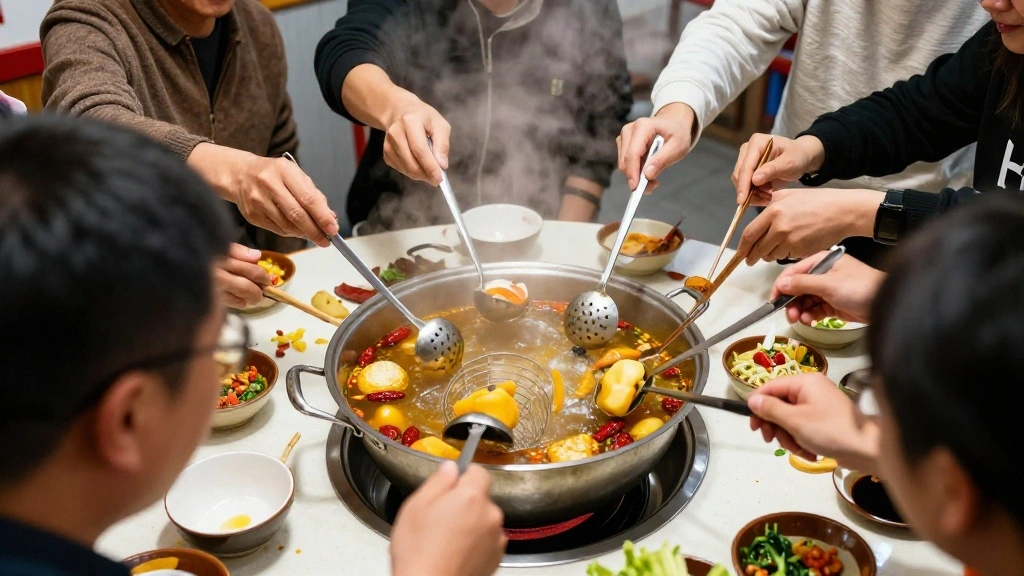
Use slotted spoons to add and retrieve ingredients.
Monitor cooking times to avoid overcooking.
Encourage guests to dip cooked items in the prepared sauce.
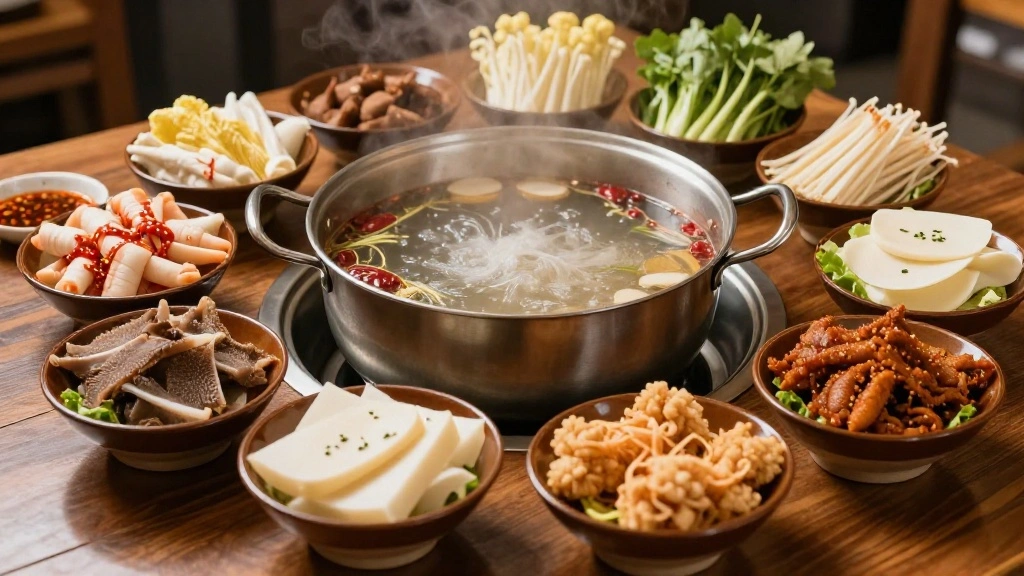
Encourage guests to savor the combination of flavors.
Refill the broth as needed to maintain level.
Relax and enjoy the communal dining experience.
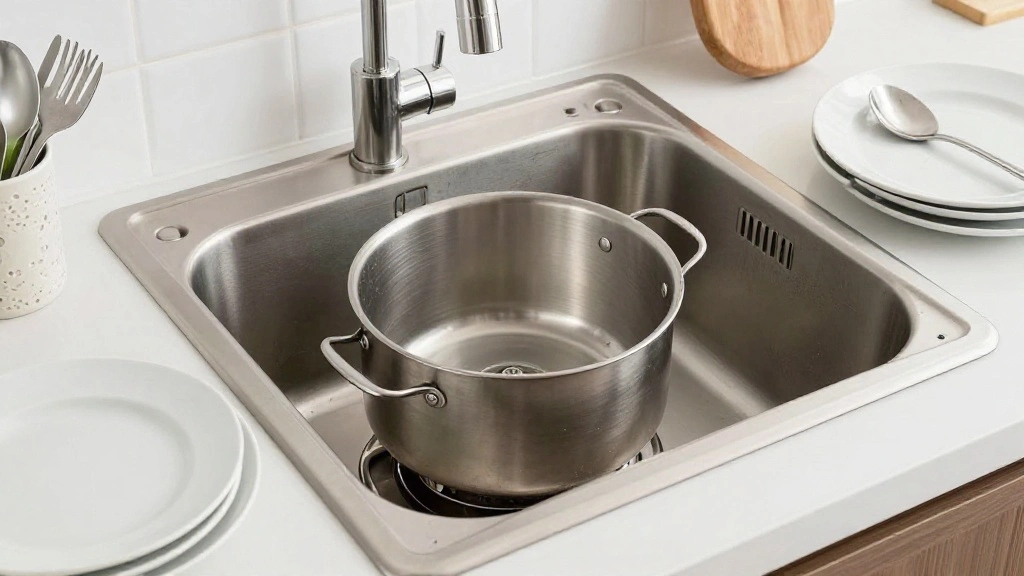
Dispose of any remaining broth and ingredients.
Clean the cooker according to manufacturer’s instructions.
Store leftover proteins and vegetables separately for future use.
Cooking Proteins: Cook thinly sliced meats for 1-2 minutes until just done. Look for color change as an indicator of doneness, avoiding overcooking which leads to toughness.
Vegetable Cooking: Cook vegetables for 3-5 minutes until vibrant and tender. Avoid overcooking to maintain texture and nutrients.
• Preparation Secret: Marinate meats briefly in soy sauce and sesame oil to enhance flavor before cooking.
• Temperature Management: Keep the broth at a consistent simmer to ensure even cooking and flavor development.
• Texture Enhancement: Use a quick blanching technique for vegetables to preserve crispness and color.
• Flavor Layering: Build complex flavors by using a combination of broth, dipping sauces, and fresh herbs.
• Make-Ahead Strategies: Prepare broth and slice ingredients in advance, storing them in airtight containers to maintain freshness.
• Restaurant-Quality Finishing Touches: Garnish with fresh cilantro and sliced scallions to add brightness and aroma.
• Equipment Optimization: Use a large enough hotpot cooker to accommodate all ingredients without overcrowding.
• Overcooked Proteins: Avoid leaving meats in the broth for too long. Cook just until color changes and remove promptly.
• Vegetables Too Soft: Monitor cooking time closely and remove vegetables as soon as they reach desired texture. Quick blanch before serving.
• Broth Too Greasy: Skim excess fat from the surface with a spoon or ladle during cooking.
• Insufficient Heat: Ensure the hotpot cooker maintains a steady simmer. Adjust heat settings as needed to keep ingredients cooking evenly.
• Cantonese Style: Features a lighter, seafood-based broth with an emphasis on fresh, delicate ingredients like fish and tofu.
• Mongolian Style: Incorporates lamb and mutton with a milder broth, often served with fermented tofu and special dipping sauces.
• Beijing Style: Utilizes a rich, savory broth with a focus on hearty meats and a variety of dipping sauces.
• Flavor Extraction: Simmering broth extracts flavors from spices and aromatics, creating a complex and rich base.
• Protein Coagulation: Quick cooking in hot liquid causes proteins to coagulate, resulting in tender, juicy textures.
Can I use store-bought broth? Yes, store-bought broth can be used, but homemade provides a richer, more authentic flavor.
How do I adjust the spice level? Adjust the amount of Sichuan peppercorns and chili oil to control the heat level.
What’s the best way to slice meat thinly? Slightly freezing the meat before slicing helps achieve thin, even slices.
Can I make hotpot vegetarian? Absolutely, use vegetable broth and a variety of mushrooms, tofu, and leafy greens.
What if I don’t have a hotpot cooker? A regular pot on a portable burner can work as an alternative for home hotpot.
How do I store leftovers? Store cooked ingredients separately from broth in airtight containers in the refrigerator.
• Family Style: Arrange ingredients around a central hotpot cooker, encouraging sharing and communal cooking.
• Individual Bowls: Serve cooked ingredients with a ladle of broth in individual bowls for a personalized touch.
• Garnished Presentation: Add fresh herbs like cilantro and scallions to the finished dish for color and aroma.
With this guide, you’ll master the art of hotpot and impress your guests with your culinary skills.
Gather your loved ones and enjoy the communal dining experience of Chinese Hotpot.
Try this recipe and create unforgettable memories around the hotpot table.

Chinese Recipes
Chinese Recipes
Chinese Recipes
Chinese Recipes
Chinese Recipes