
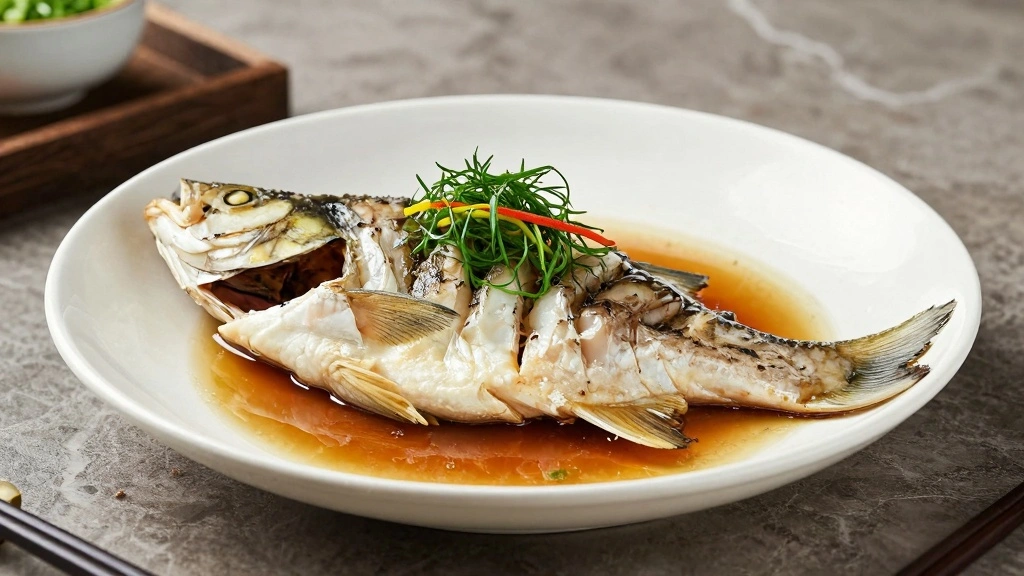


This classic Chinese Steamed Fish brings together centuries of culinary tradition with modern techniques to create a dish that’s both comforting and elegant.
The harmonious balance of delicate fish flavors and aromatic seasonings creates a memorable dining experience that will have everyone asking for your secret.
I discovered this recipe during my travels through Cantonese regions, where local chefs have perfected it through generations of careful refinement.
Whether you’re preparing a casual family dinner or hosting a special celebration, this Chinese Steamed Fish delivers impressive results with straightforward preparation.
The History and Cultural Significance
• The dish evolved over decades as soy sauce and ginger became widely available, eventually becoming the beloved version we know today.
• In Cantonese culture, this dish traditionally appears at celebratory banquets, symbolizing prosperity and abundance.
• While many variations exist across different regions, the authentic version maintains the use of whole fish and minimal seasoning that sets it apart from imitations.


Recipe Overview
Nutritional Information (per serving)
Essential Equipment Guide
Fish Plate: A heatproof plate that fits inside the steamer is crucial for holding the fish and collecting flavorful juices. Look for one with a slight lip to contain any sauce.
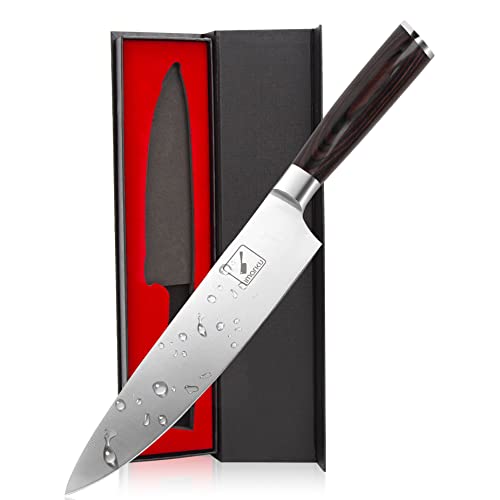
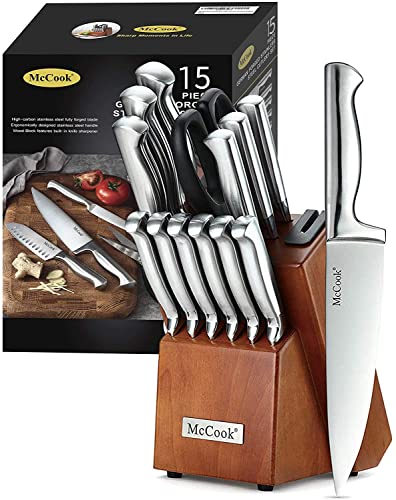
Knife: A sharp knife is needed to score the fish, allowing flavors to penetrate. Ensure the blade is long enough for precise cuts without tearing the flesh.


Ingredients
For the Fish
| Amount | Ingredient | Notes |
|---|---|---|
| 1 whole | white fish (like sea bass or tilapia) | cleaned and scaled |
| 2 tablespoons | ginger | julienned, for aroma |
| 2 stalks | scallions | cut into 2-inch pieces, for garnish |
For the Sauce
| Amount | Ingredient | Notes |
|---|---|---|
| 2 tablespoons | soy sauce | adds umami |
| 1 tablespoon | vegetable oil | for richness |
| 1 teaspoon | sugar | balances flavors |
Seasonings
| Amount | Ingredient | Notes |
|---|---|---|
| 1 pinch | salt | enhances flavor |
| 1 pinch | white pepper | adds subtle heat |
Preparation Methods
Steaming Technique: Steaming requires careful attention to water level and heat consistency. Ensure the water is simmering but not boiling vigorously to prevent the fish from overcooking.
Sauce Pouring: The final touch involves pouring hot oil over the fish, which releases aromas and flavors from the scallions and ginger. Heat the oil until it shimmers but avoid smoking.

Step 1: Prepare Ingredients
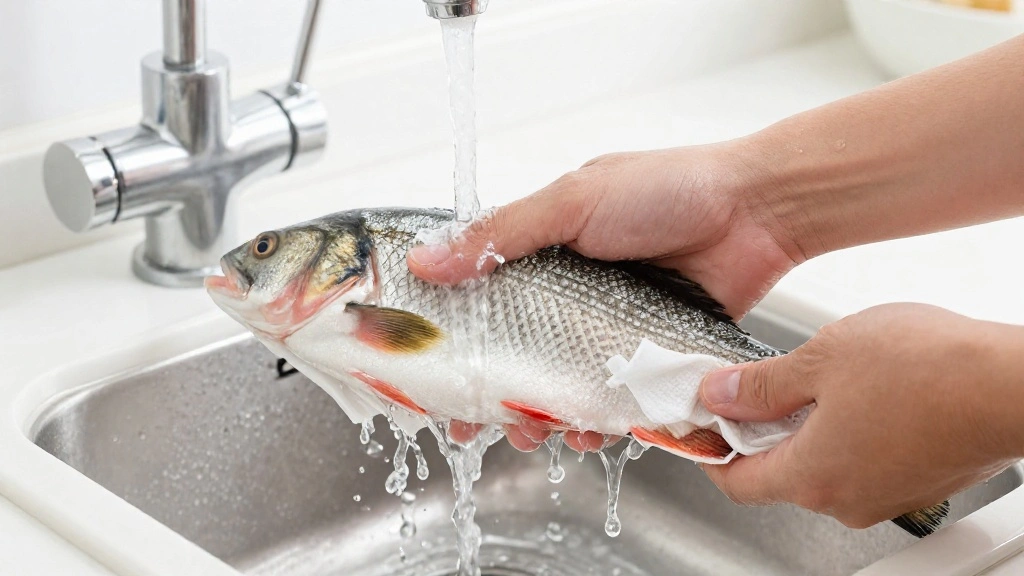
Pat the fish dry with paper towels.
Ensure the fish is completely clean and free of scales.
Place the fish on a heatproof plate.


Step 2: Score the Fish
Each cut should be about 1 inch apart and 1/4 inch deep.
This allows flavors to penetrate and ensures even cooking.
Be careful not to cut too deeply into the flesh.
Step 3: Season the Fish
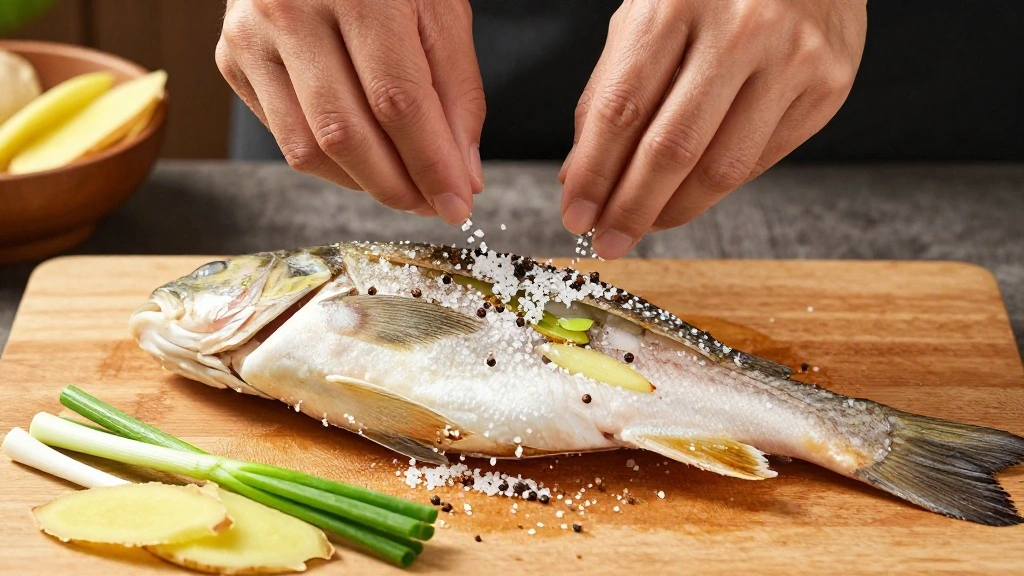
Place ginger slices and half of the scallions inside the cavity of the fish.
This adds aroma and enhances the natural flavors of the fish.
Ensure even distribution for consistent seasoning.


Step 4: Prepare the Steamer
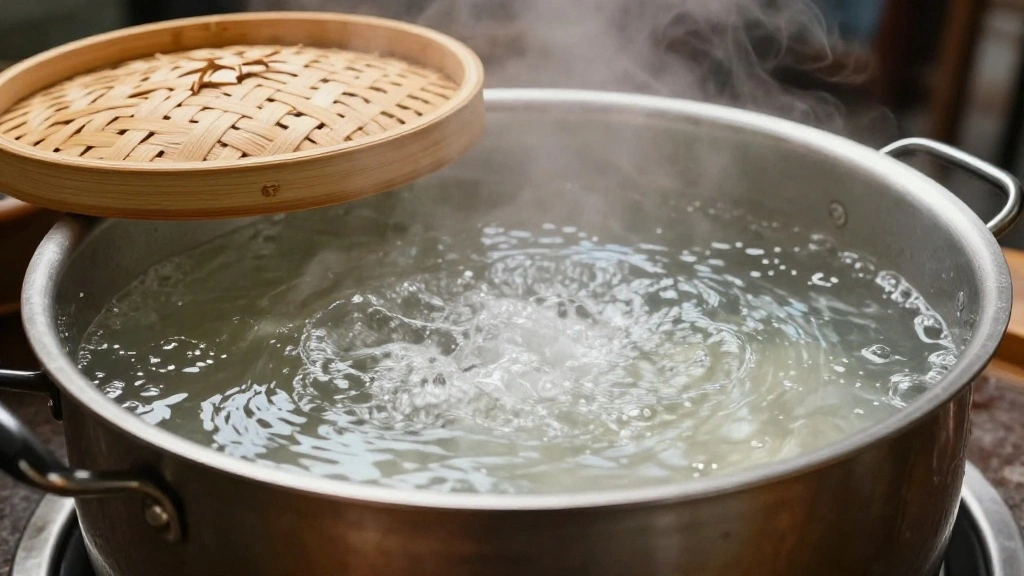
Place the steamer basket over the pot, ensuring it sits securely.
Bring the water to a gentle simmer over medium heat.
Avoid boiling too vigorously to prevent uneven cooking.
Step 5: Steam the Fish
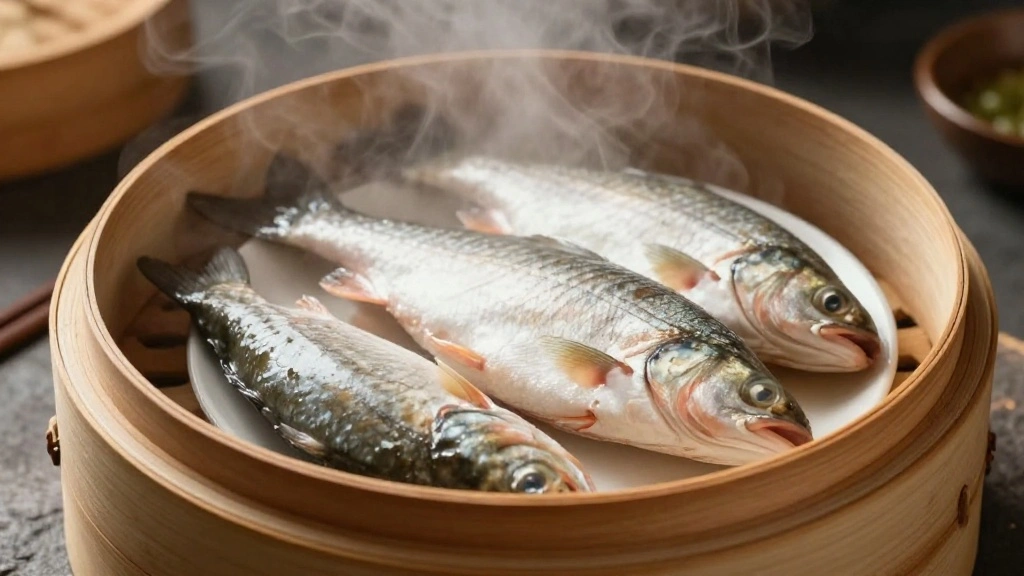
Cover the steamer with a lid to trap the steam.
Steam the fish for 10-15 minutes, depending on its size.
Check for doneness by ensuring the flesh is opaque and flakes easily.
Step 6: Prepare the Sauce
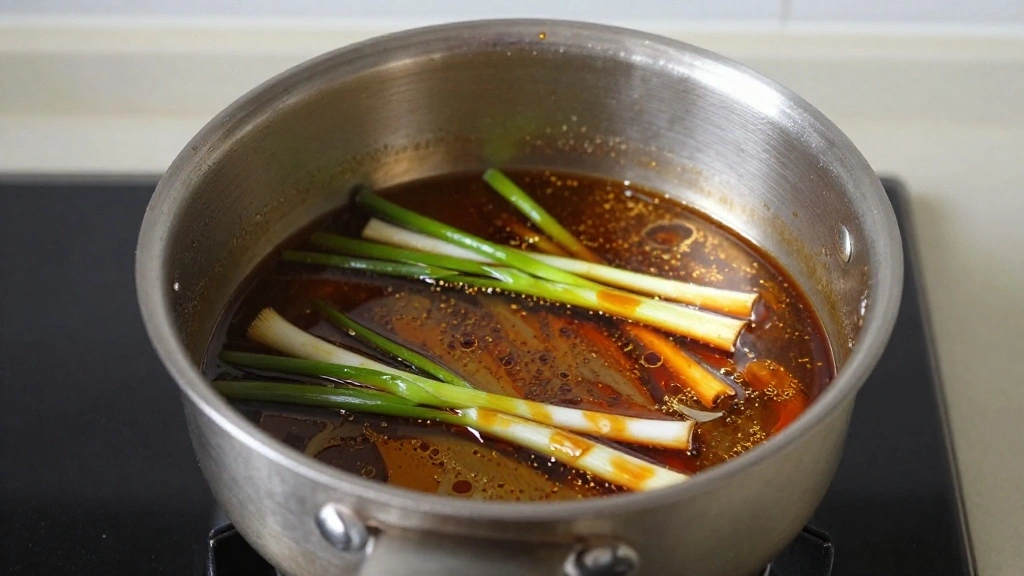
Heat gently until the sugar dissolves completely.
Stir occasionally to ensure even mixing.
Remove from heat once the sauce is warm and fragrant.
Step 7: Finish with Hot Oil
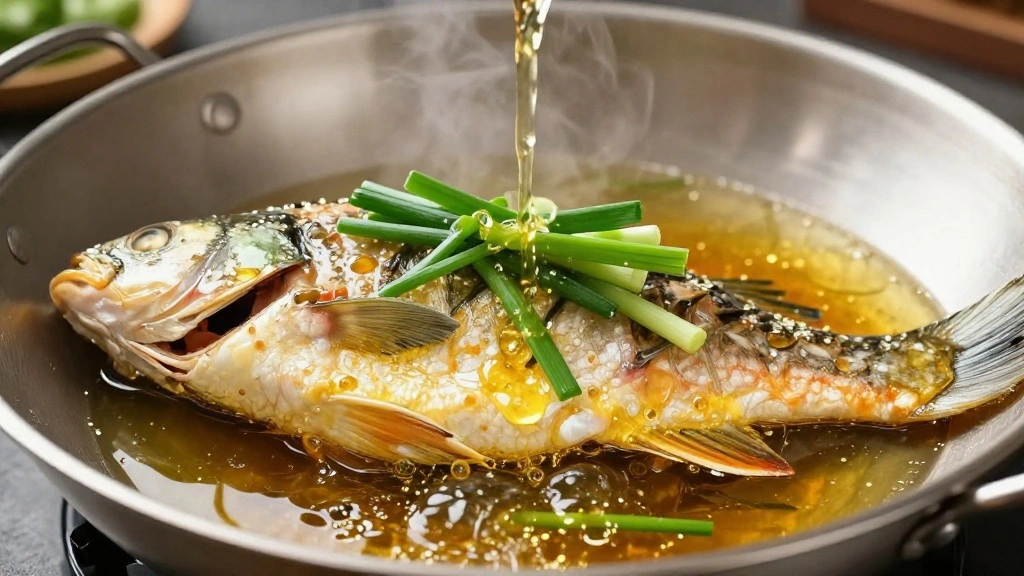
Carefully pour the hot oil over the steamed fish.
This will release the aroma of the scallions and ginger.
Be cautious to avoid splattering.
Step 8: Serve the Fish
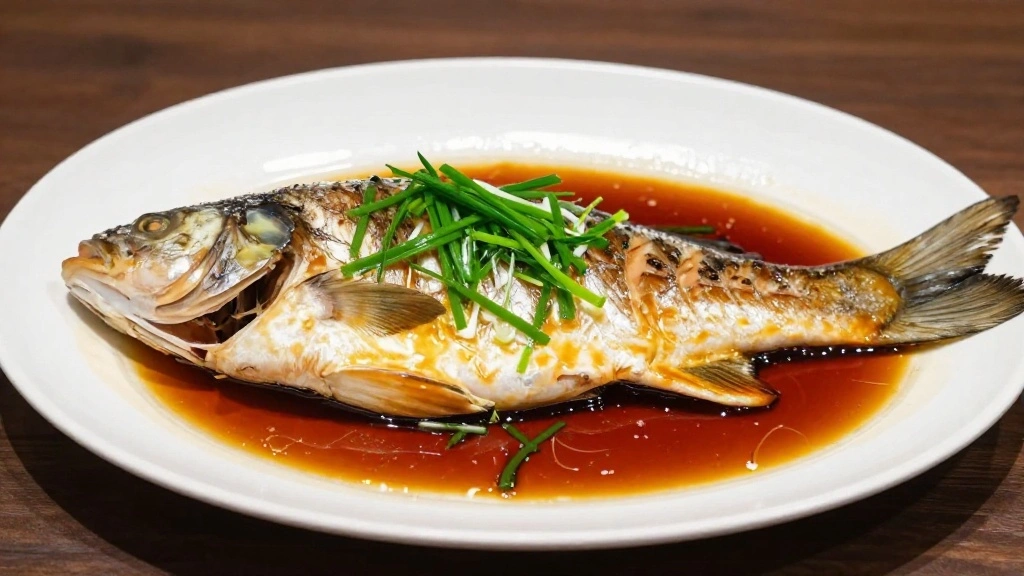
Drizzle the prepared soy sauce mixture over the fish.
Garnish with additional fresh scallions if desired.
Serve immediately while hot for optimal flavor.
Critical Timing and Temperature Guide
Heating the Sauce: Heat sauce gently until sugar dissolves. Avoid boiling to prevent burning the sugar and altering the flavor balance.
Hot Oil Pouring: Heat oil until shimmering, approximately 375°F. Ensure it sizzles when poured over the fish to release flavors, but avoid smoking point to prevent bitterness.
Pro Tips for Chinese Steamed Fish
• Preparation Secret: Slightly marinate the fish with ginger and scallions inside the cavity for a more aromatic result.
• Temperature Management: Ensure water is simmering, not boiling. This prevents the fish from cooking too quickly and becoming tough.
• Texture Enhancement: Score the fish correctly to allow even heat penetration and maintain moisture.
• Flavor Layering: Use a combination of ginger, scallions, and soy sauce to build complex flavors unique to this dish.
• Make-Ahead Strategies: Prep the fish and sauce ingredients earlier in the day. Store the fish in the fridge and the sauce at room temperature until cooking.
• Restaurant-Quality Finishing Touches: Use freshly sliced scallions and a drizzle of sesame oil for added depth and aroma.
• Equipment Optimization: If using a metal steamer, lightly grease the plate to prevent sticking and ensure easy cleanup.
Troubleshooting Common Issues
• Flavors Unbalanced: Ensure proper measurement of soy sauce and sugar. Taste the sauce before pouring and adjust seasoning if necessary.
• Fish Sticking to Plate: Lightly grease the plate or use parchment paper to avoid sticking.
• Insufficient Aroma: Ensure ginger and scallions are fresh. Replace dried or wilted herbs for the best result.
• Oil Not Sizzling: Heat the oil until shimmering. If it doesn’t sizzle, reheat to the correct temperature.
• Sauce Too Salty: Use low-sodium soy sauce or dilute with a bit of water to balance flavors.
Variations and Regional Differences
• Shanghai Style: Incorporates sweet rice wine and ginger for a sweeter, more aromatic dish.
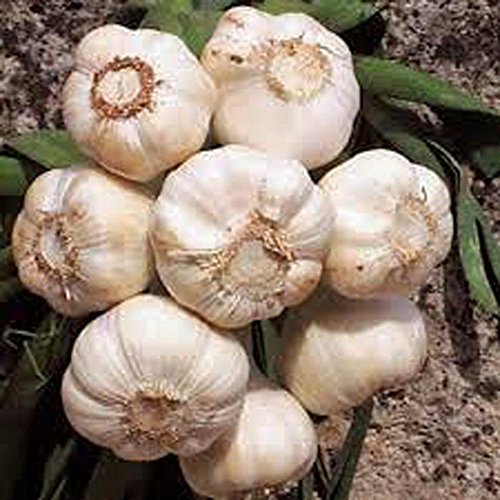
• Hunan Style: Features fermented black beans and garlic for a bold, earthy taste.
• Hong Kong Style: Uses a combination of soy sauce, oyster sauce, and sesame oil for a richer, umami-packed flavor.


Food Science Behind the Recipe
• Maillard Reaction: Hot oil poured over the aromatics causes a rapid Maillard reaction, enhancing flavors and aromas.
• Protein Denaturation: Gentle heat causes fish proteins to denature slowly, resulting in a tender texture without toughness.


Frequently Asked Questions
Can I use frozen fish for this recipe? While fresh fish is ideal, frozen fish can be used if properly thawed and patted dry.
Is there an alternative to using a whole fish? Fillets can be used, but the cooking time will be reduced, and the presentation may differ.
What type of soy sauce is best? Use light soy sauce for a more delicate flavor profile that complements the fish.
How can I make the dish less salty? Opt for low-sodium soy sauce and adjust the amount of salt to taste.
Do I need to peel the ginger? Yes, peeling the ginger ensures a smoother texture and removes any bitterness from the skin.
Can I add other vegetables? Yes, you can steam thinly sliced vegetables like carrots or bell peppers alongside the fish for added color and nutrition.
What’s the best way to reheat leftovers? Gently reheat in a steamer to maintain texture, or use a microwave on low power to avoid drying out the fish.
Is it necessary to score the fish? Scoring helps flavors penetrate and ensures even cooking, so it’s highly recommended.
Serving and Presentation Guide
• Family Style: Serve in the center of the table for sharing, with a side of steamed rice and sautéed greens.
• Individual Portions: Slice the fish into portions before serving, and plate with a drizzle of sauce and a sprinkle of fresh herbs.
• Elegant Plating: Use a large white plate for contrast, and add edible flowers or microgreens for a restaurant-quality presentation.


Conclusion
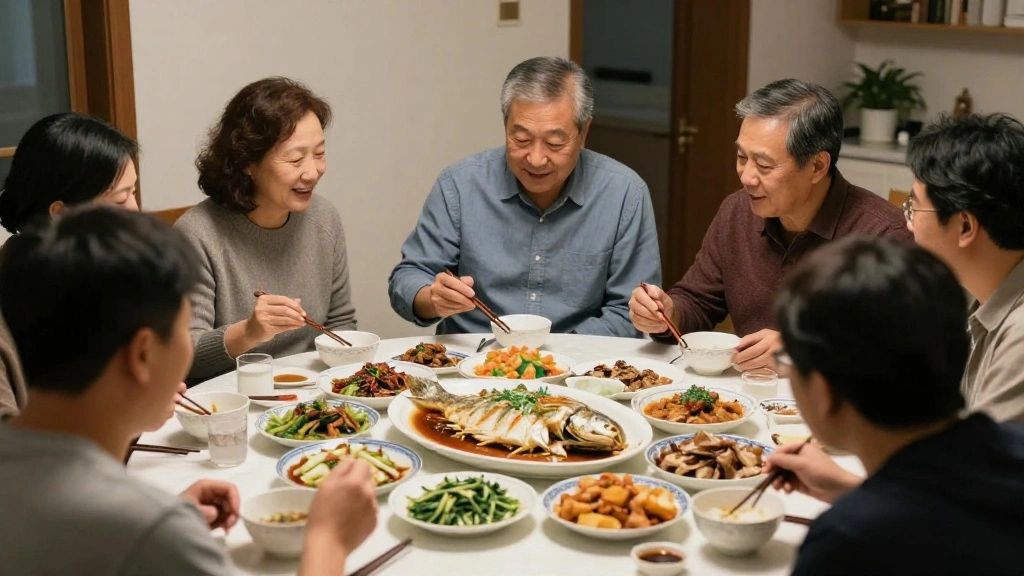
With this recipe, you can recreate a restaurant-quality dish in the comfort of your home.
I encourage you to try this recipe and experience the delightful balance of flavors and textures.
Share this culinary tradition with your loved ones and savor the taste of authentic Chinese cuisine.