
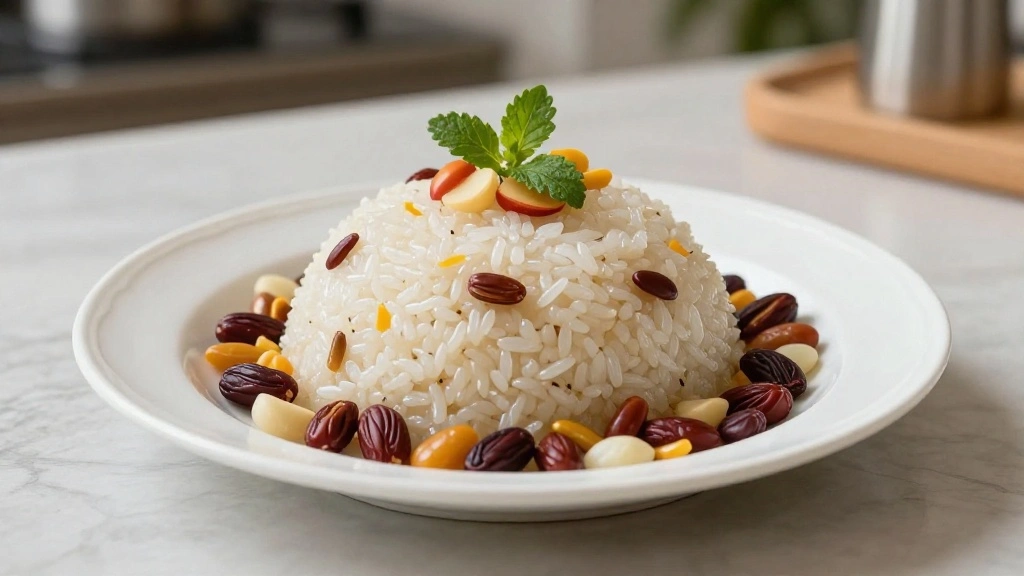


Chinese Eight Treasure Rice is a delightful symphony of flavors and textures that captures the essence of traditional Chinese desserts.
With its sweet and sticky glutinous rice paired with a medley of dried fruits and nuts, this dish is a celebration of harmony and balance.
I first tasted this exquisite dessert during a Lunar New Year celebration, where it was served as a symbol of prosperity and unity.
The combination of chewy rice and sweet fillings creates a comforting yet sophisticated treat that is perfect for any festive occasion.
Whether you’re a seasoned cook or trying your hand at Chinese cuisine for the first time, this recipe is sure to impress and satisfy.
The vibrant colors and rich flavors make it a standout dish at any gathering.
The History and Cultural Significance
• Chinese Eight Treasure traces its origins to the Tang Dynasty, where it was originally created by royal chefs to celebrate prosperity and good fortune.
• The dish evolved over decades as chefs began to incorporate regional specialties like lotus seeds and jujubes, eventually becoming the beloved version we know today.
• In Chinese culture, this dish traditionally appears at Lunar New Year and weddings, symbolizing wealth, happiness, and family unity.
• While many variations exist across different regions, the authentic version maintains a balance of eight specific ingredients that sets it apart from imitations.


Recipe Overview
Nutritional Information (per serving)
Essential Equipment Guide
Steamer Basket: Essential for cooking the glutinous rice evenly, a bamboo steamer is traditional, but a metal or silicone alternative can work as long as it allows steam to circulate.
Rice Cooker: While not traditional, a rice cooker with a sticky rice setting ensures perfect texture without constant attention.
Large Mixing Bowl: Important for combining the cooked rice with the sweet filling ingredients, it should be large enough to mix thoroughly without spills.
Ingredients
For the Rice
|
|
| Amount | Ingredient | Notes |
|---|---|---|
| 2 cups | glutinous rice | soaked overnight |
| 1 cup | water | for steaming |
Sweet Fillings
| Amount | Ingredient | Notes |
|---|---|---|
| 1/4 cup | red bean paste | adds sweetness and texture |
| 1/4 cup | dried lotus seeds | adds nutty flavor |
| 1/4 cup | dried jujubes | chopped, adds sweetness |
| 1/4 cup | raisins | adds natural sweetness |
| 1/4 cup | walnuts | chopped, adds crunch |
| 1/4 cup | candied citrus peel | adds zest and aroma |
Seasonings
| Amount | Ingredient | Notes |
|---|---|---|
| 2 tablespoons | sugar | to taste |
| 1 tablespoon | vegetable oil | for shine |



Preparation Methods
Soaking Glutinous Rice: Soaking the rice overnight softens it, ensuring that it cooks evenly and absorbs flavors. Use cold water and a large bowl to allow the grains to expand fully.
Layering Ingredients: Properly layering the fillings between the rice layers is crucial for balancing flavors and textures. Ensure an even spread of each ingredient for consistent taste in every bite.
Steaming: Steaming over medium heat allows the rice to cook gently, preserving its chewy texture. Use a tightly fitting lid to trap steam and prevent drying out.

Step 1: Prepare Ingredients
Rinse the soaked glutinous rice under cold water until the water runs clear.
Drain the rice thoroughly to prevent excess moisture.
Prepare the sweet fillings by chopping and measuring each ingredient.
Organize all ingredients within reach for easy access during assembly.


Step 2: Set Up Steamer
Fill a pot with water just below the steamer basket level.
Line the steamer basket with a damp cloth or parchment to prevent sticking.
Ensure the pot fits snugly with a lid to trap steam effectively.
Bring the water to a gentle simmer before adding the rice.
Step 3: Steam the Rice
Spread the drained glutinous rice evenly in the lined steamer.
Cover and steam over medium heat for 30 minutes.
Check periodically to ensure water level is maintained.
Rice should be translucent and tender when done.
Step 4: Mix Sweet Fillings
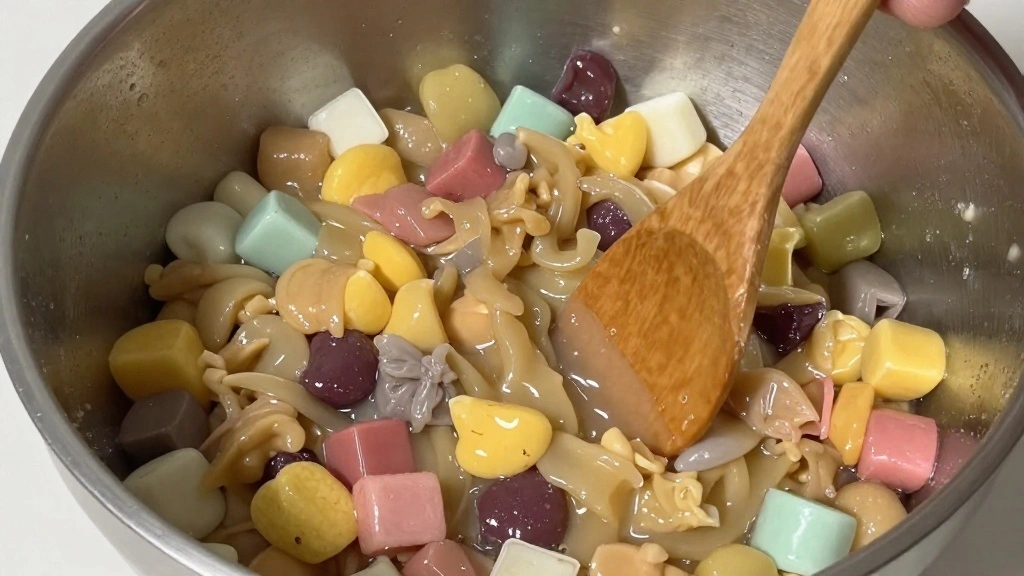
In a large mixing bowl, combine red bean paste, lotus seeds, jujubes, raisins, walnuts, and candied peel.
Add sugar and vegetable oil to the mixture.
Stir until all ingredients are evenly coated.
Set aside for layering with rice.
Step 5: Assemble Layers
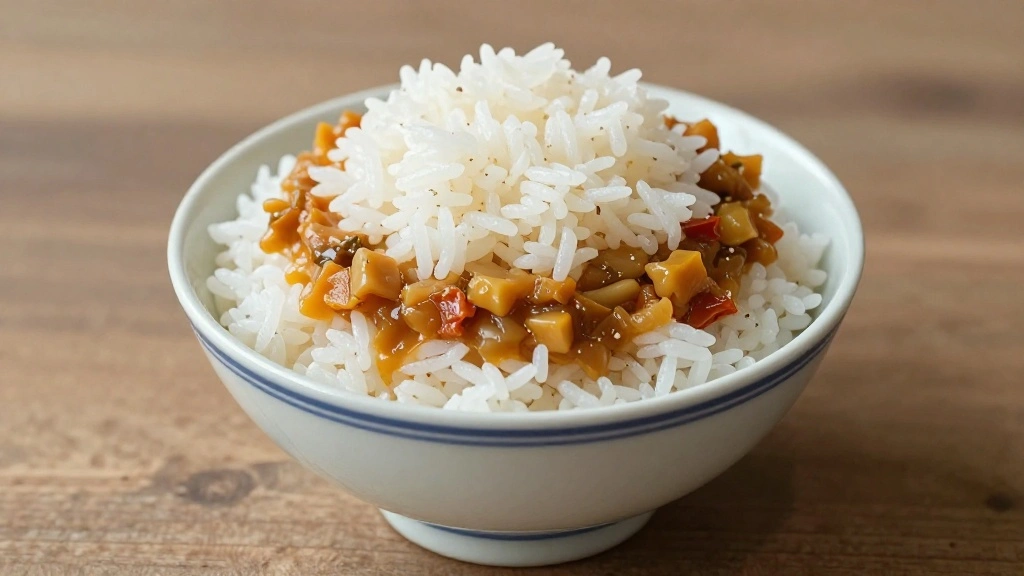
Transfer half of the steamed rice to a clean surface.
Press the rice into a compact layer in the bottom of the serving bowl.
Spread the sweet fillings evenly over this rice layer.
Cover with the remaining rice, pressing firmly to compact.
Step 6: Steam Assembled Dish
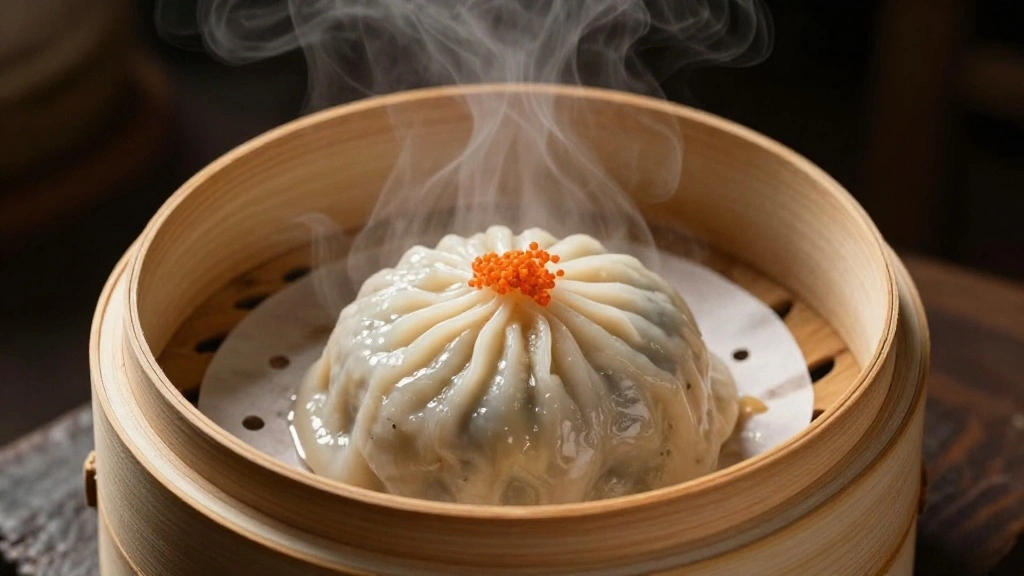
Place the assembled rice and filling dish back into the steamer.
Cover and steam for an additional 30 minutes.
Ensure the dish is tightly covered to prevent moisture loss.
Check the texture by pressing gently; it should be firm yet tender.
Step 7: Cool and Mold
Remove the dish from the steamer and allow it to cool slightly.
Invert onto a serving plate to reveal the layered pattern.
Use a damp cloth to press and mold the rice into a smooth dome shape.
Let the dish cool completely before serving.
Step 8: Serve and Enjoy
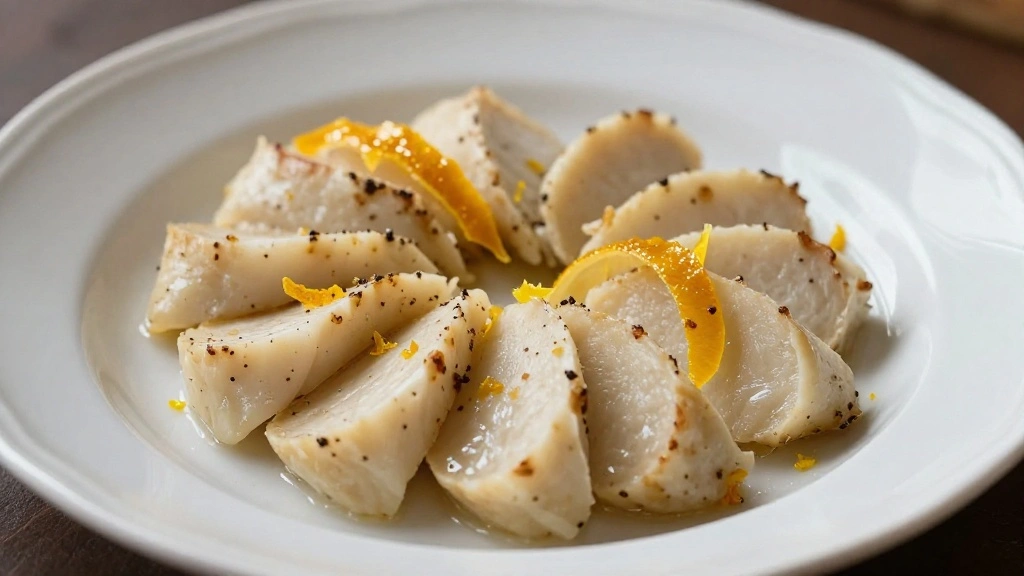
Slice the molded rice into wedges for serving.
Arrange slices on a platter for an appealing presentation.
Garnish with additional candied peel or nuts, if desired.
Enjoy the harmonious blend of sweet and nutty flavors.
Critical Timing and Temperature Guide
Soaking Rice: Soak rice for a minimum of 6 hours or overnight to ensure even cooking. Look for plump, hydrated grains.
First Steaming: Steam rice at a steady medium heat for 30 minutes. Avoid opening the lid frequently as it releases steam and affects cooking.
Final Steaming: Steam the assembled dish for another 30 minutes at medium heat. Ensure the water level is maintained to prevent burning.
Pro Tips for Chinese Eight Treasure
• Ingredient Selection: Choose high-quality glutinous rice and fresh, plump dried fruits for the best texture and flavor.
• Preparation Secret: Lightly toasting the nuts before mixing enhances their flavor and adds a pleasant crunch.
• Temperature Management: Use a gentle simmer during steaming to prevent the rice from becoming too mushy or overcooked.
• Texture Enhancement: Pressing the rice firmly during assembly ensures a dense yet tender final product.
• Flavor Layering: Layering ingredients thoughtfully prevents any one flavor from overpowering the others, achieving a balanced taste.
• Make-Ahead Strategies: Prepare the sweet filling mixture a day in advance and store it in the refrigerator to let flavors meld.
• Restaurant-Quality Finishing Touches: Brush the finished dome with a light glaze of sugar syrup for added shine and sweetness.
• Equipment Optimization: If using a metal steamer, line it with a damp cloth to prevent the rice from sticking and ensure even cooking.


Troubleshooting Common Issues
• Rice Too Sticky: Caused by overcooking or excessive moisture; ensure proper soaking and draining before steaming.
• Flavors Unbalanced: If one ingredient overpowers, adjust the ratio of fillings to rice for even distribution.
• Rice Not Cooking Evenly: Uneven steaming can result from improper layering; ensure a flat, even rice layer in the steamer.
• Filling Seeping Out: Ensure fillings are evenly distributed and press the rice layers firmly to create a compact structure.
• Dish Sticking to Steamer: Line the steamer with parchment or cloth to prevent sticking and facilitate easy removal.
• Undercooked Ingredients: Ensure all ingredients, especially harder ones like lotus seeds, are soaked or pre-cooked adequately.
Variations and Regional Differences
• Cantonese Version: Incorporates more citrus elements and lighter, fragrant flavors, using ingredients like tangerine peel and almonds.
• Sichuan Style: Features spicier notes with the addition of Sichuan peppercorns and chili-infused oils, offering a unique twist.
• Shanghai Variation: Emphasizes sweet and savory contrast by including ingredients like salted duck eggs and Chinese ham.
• Hakka Influence: Uses taro and sweet potato fillings, resulting in a heartier, earthier flavor profile.


Food Science Behind the Recipe
• Gelatinization of Starch: The soaking and steaming process causes starches in the glutinous rice to gelatinize, creating the characteristic sticky texture.
• Maillard Reaction: Toasting nuts before inclusion enhances flavor through the Maillard reaction, adding complexity and aroma.
• Flavor Compounding: The balance of sweet, nutty, and fruity flavors relies on the principle of flavor compounding, where multiple tastes enhance the overall profile.
Frequently Asked Questions
What's the most common mistake people make when preparing Chinese Eight Treasure Rice? Overcooking the rice is a common mistake, leading to a mushy texture. Ensure proper soaking and careful steaming.
Can I use a rice cooker instead of steaming? Yes, a rice cooker with a sticky rice setting can be used, though steaming is traditional and offers a different texture.
How can I make this dish vegan-friendly? Ensure all fillings are plant-based and check that no animal products are used in candied peels or other prepared items.
What can I substitute for red bean paste? Sweetened black bean paste or lotus seed paste can be used as alternatives, offering different but delightful flavors.
Why is my rice not forming a firm dome? Insufficient pressing during assembly can lead to a loose structure; ensure each layer is compacted firmly.
How do I store leftovers? Store in an airtight container in the refrigerator for up to 3 days; reheat by steaming to refresh the texture.
Can I freeze this dish? Freezing is not recommended as it alters the texture of the glutinous rice, making it less desirable.
Serving and Presentation Guide
• Traditional Presentation: Serve the dish inverted on a decorative plate, showcasing the layered interior pattern.
• Modern Twist: Present individual portions in small bowls, topped with a dollop of whipped cream or a scoop of ice cream for contrast.
• Festive Display: Arrange slices in a circular pattern on a large platter, garnished with additional nuts and fruits for color.
• Minimalist Style: Serve a single, perfectly shaped dome on a pristine white plate, highlighting the dish's elegance.


Conclusion
Chinese Eight Treasure Rice is more than just a dessert; it's a culinary tradition that brings people together.
The intricate layers of flavor and texture make it a delightful centerpiece for any festive occasion.
I hope this guide inspires you to try your hand at this classic dish, adding your own unique twist to the cherished recipe.
Happy cooking and enjoy the rich, harmonious flavors of this Chinese classic!