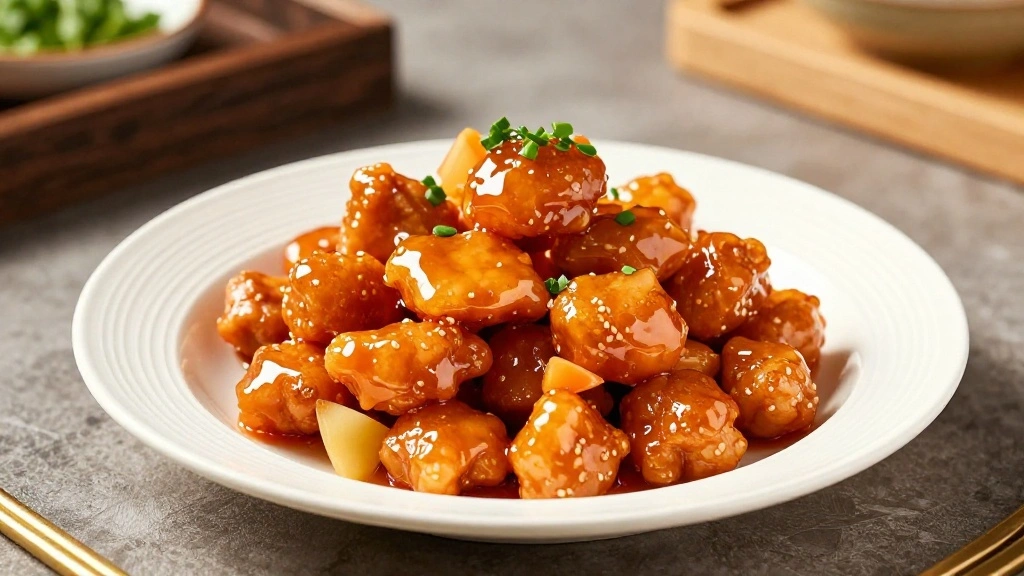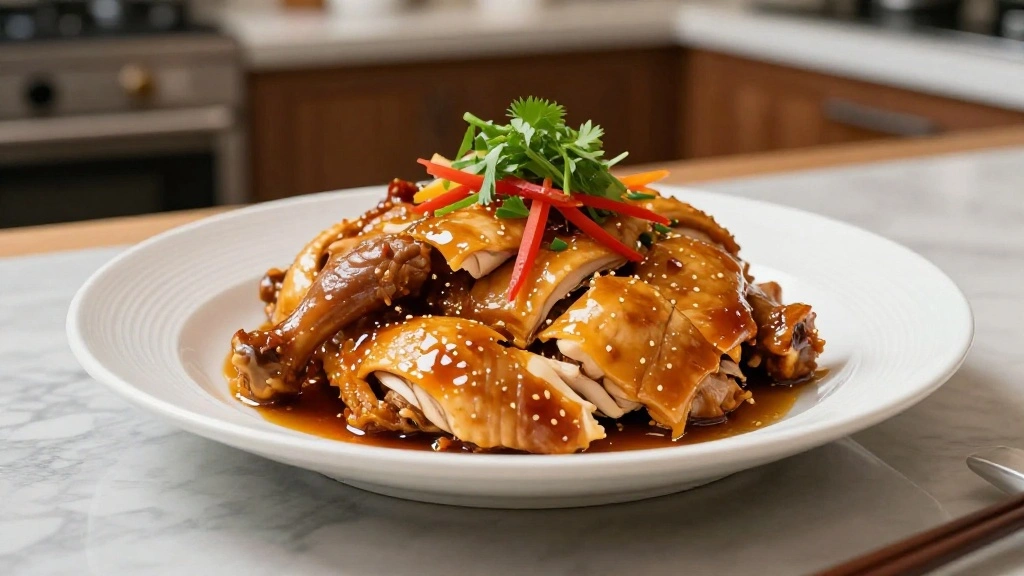

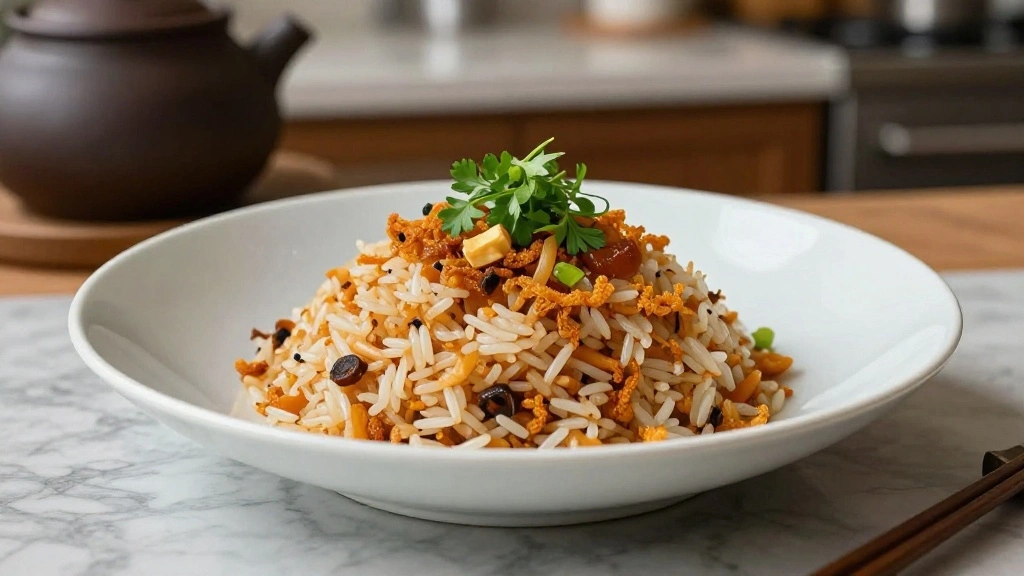


I first encountered the comforting allure of Classic Chinese Clay Pot Rice during a chilly winter evening in Beijing.
The dish’s crispy rice crust and savory, umami flavors offered warmth and satisfaction like no other.
This one-pot meal embodies the essence of simplicity and comfort, making it a staple in many Chinese households.
With each bite, you’ll experience a delightful mix of textures and flavors that make it hard to resist.
Perfect for a cozy family dinner or a special gathering, this dish promises to impress with minimal effort.
The History and Cultural Significance
• Chinese Clay Pot Rice traces its origins to the Guangdong region during the Qing Dynasty, where it was originally created by street vendors seeking a hearty meal.
• The dish evolved over decades as ingredients like Chinese sausage and mushrooms were added, eventually becoming the beloved version we know today.
• In southern China, this dish traditionally appears at family gatherings and celebrations, symbolizing warmth and togetherness.
• While many variations exist across different regions, the authentic version maintains the signature crispy rice layer that sets it apart from imitations.


Recipe Overview
Nutritional Information (per serving)
Essential Equipment Guide
Clay Pot: Essential for achieving the authentic crispy rice layer. Alternatives like a Dutch oven can work, but look for a pot specifically designed for even heat distribution.
Wooden Spoon: Ideal for stirring and serving without damaging the clay pot. A silicone spatula can be a suitable alternative.
Rice Cooker: Useful for precooking the rice to the perfect texture before transferring to the clay pot. Look for one with a ‘keep warm’ function.



Ingredients
For the Base
|
| Amount | Ingredient | Notes |
|---|---|---|
| 2 cups | jasmine rice | provides a fragrant foundation |
| 2 tablespoons | vegetable oil | for crisping the rice |
For the Protein
| Amount | Ingredient | Notes |
|---|---|---|
| 200 grams | chicken thighs | marinated, cut into bite-sized pieces |
| 100 grams | Chinese sausage | sliced thinly |
Vegetables
| Amount | Ingredient | Notes |
|---|---|---|
| 1 cup | shiitake mushrooms | sliced, adds umami |
| 1 bunch | bok choy | washed and chopped |
Seasonings
| Amount | Ingredient | Notes |
|---|---|---|
| 2 tablespoons | soy sauce | adds savory flavor |
| 1 tablespoon | oyster sauce | enhances depth |
| 1 teaspoon | sugar | balances flavors |



Preparation Methods
Rinsing Rice: Thoroughly rinse the rice under cold water until the water runs clear. This removes excess starch and prevents it from becoming too sticky.
Marinating Chicken: Marinate chicken with soy sauce, oyster sauce, and a pinch of sugar for at least 15 minutes. This infuses the meat with flavor and tenderizes it.
Layering Technique: Properly layer ingredients in the clay pot, starting with oil, then rice, followed by protein and vegetables. This ensures even cooking and flavor distribution.

Step 2: Pre-cook Rice
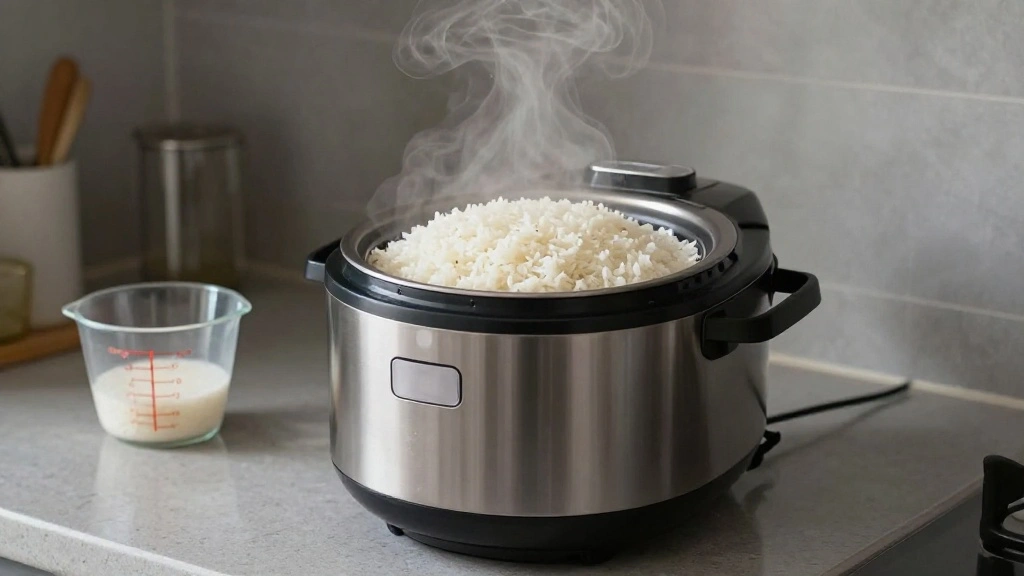
{"title": "Step 2: Pre-cook Rice","description": "Place the rinsed rice into a rice cooker.\n\nAdd water according to the rice cooker's instructions and start cooking.\n\nOnce the rice is cooked, let it sit in the cooker on 'keep warm' mode.\n\nThis step ensures the rice is perfectly cooked before crisping.","image_prompt": "A rice cooker with its lid open, showing steaming cooked rice inside, next to a measuring cup and rinsed rice bowl."}
Step 3: Heat Clay Pot
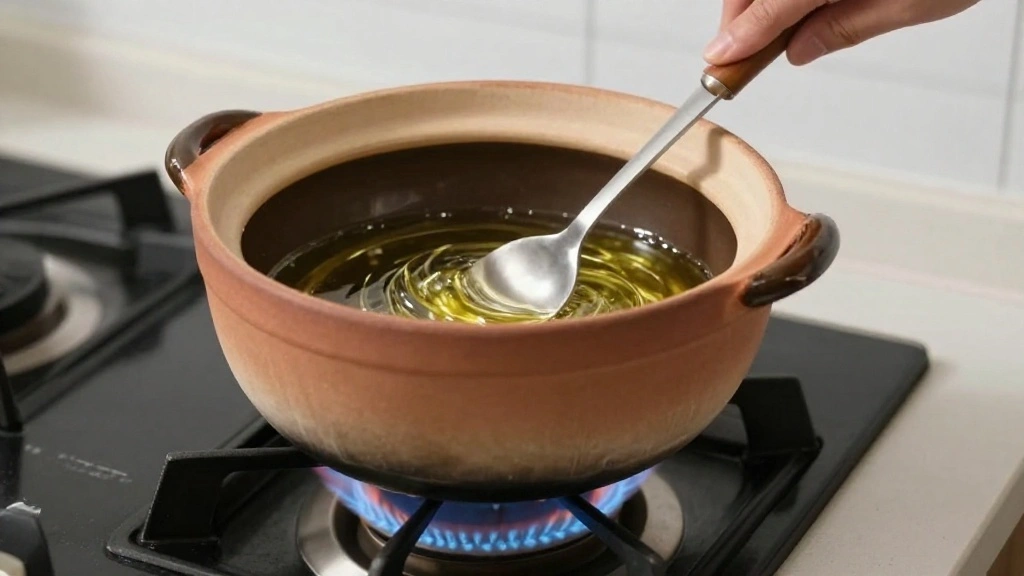
{"title": "Step 3: Heat Clay Pot","description": "Place the clay pot on a medium flame and let it heat for a few minutes.\n\nAdd vegetable oil to coat the bottom of the pot evenly.\n\nEnsure the oil is hot before adding any ingredients, as this helps create the crispy rice layer.\n\nKeep the heat moderate to avoid burning.","image_prompt": "A clay pot on a gas stove with oil being swirled inside, emitting a gentle shimmer as it heats up."}



Step 4: Add Rice and Protein
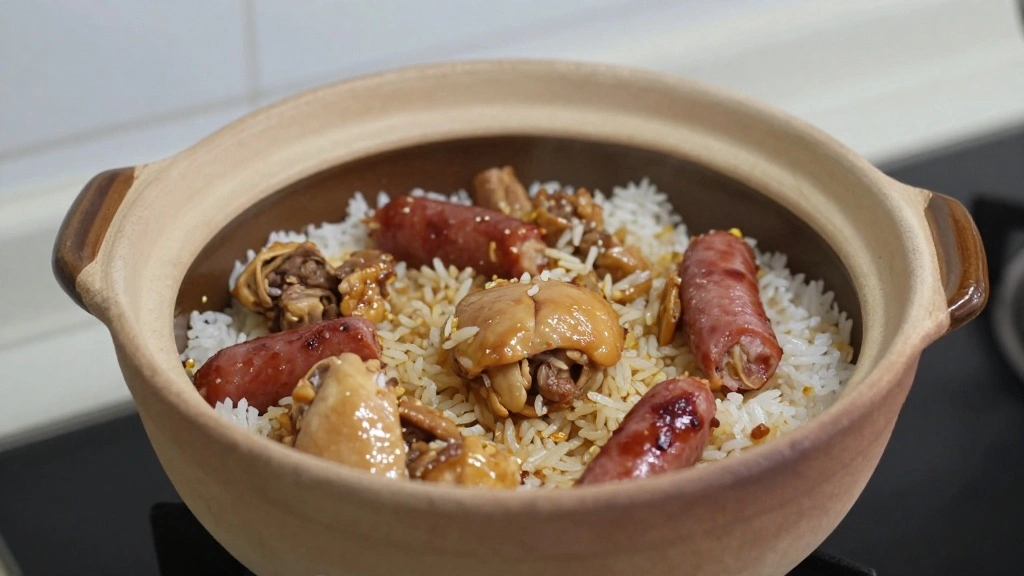
{"title": "Step 4: Add Rice and Protein","description": "Transfer the cooked rice into the heated clay pot, spreading it evenly.\n\nAdd the marinated chicken and sliced Chinese sausage on top of the rice.\n\nEnsure the protein is distributed evenly for uniform cooking.\n\nCover the pot with a lid to retain moisture.","image_prompt": "A clay pot with rice being evenly spread inside, topped with marinated chicken and sausage, ready to be covered."}
Step 5: Simmer and Cook
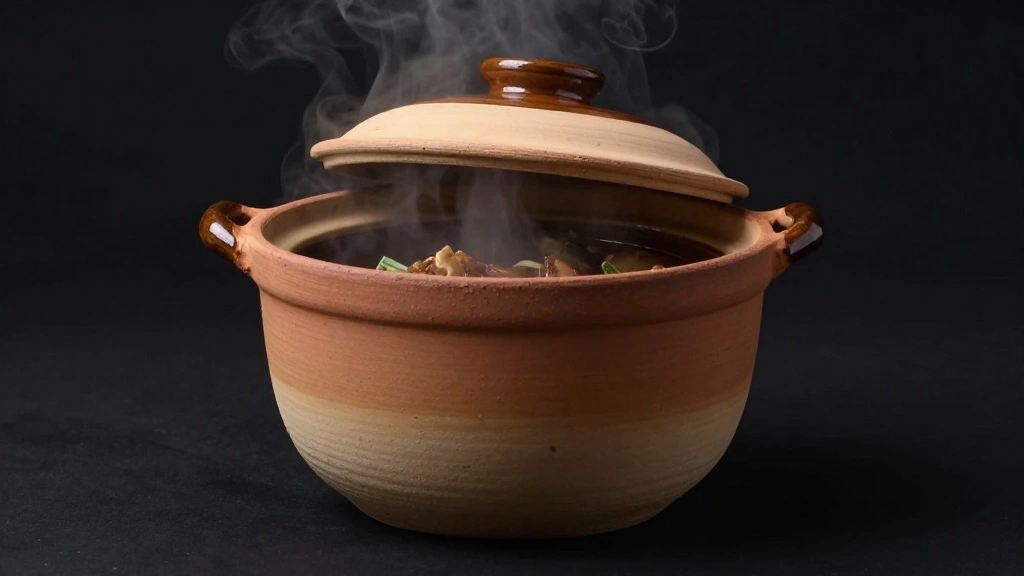
{"title": "Step 5: Simmer and Cook","description": "Reduce the heat to low and allow the ingredients to simmer gently.\n\nCook for about 15-20 minutes, allowing flavors to meld.\n\nCheck occasionally to ensure rice is not burning at the bottom.\n\nThe chicken should be cooked through and absorb all flavors.","image_prompt": "A simmering clay pot on a stove, with a gentle steam rising and the lid slightly ajar to show ingredients inside."}
Step 6: Add Vegetables
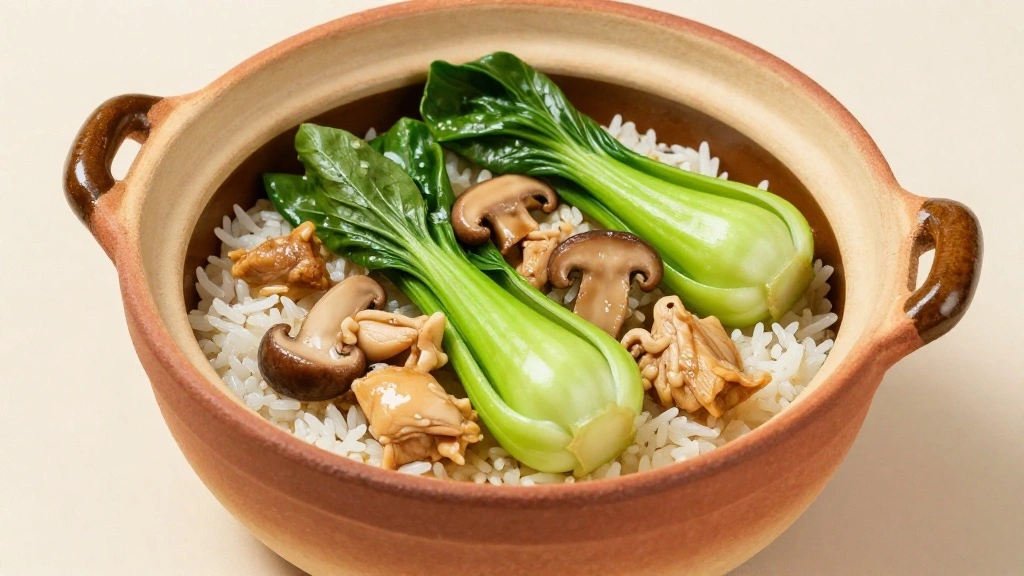
{"title": "Step 6: Add Vegetables","description": "Remove the lid and add the chopped bok choy and mushrooms on top.\n\nStir gently to incorporate vegetables with the rice and protein.\n\nCover again and cook for an additional 5-10 minutes.\n\nThe vegetables should be tender but retain a slight crunch.","image_prompt": "A clay pot with chopped bok choy and mushrooms being added on top of rice and protein, ready to be stirred and covered."}


Step 7: Create Crispy Rice Layer
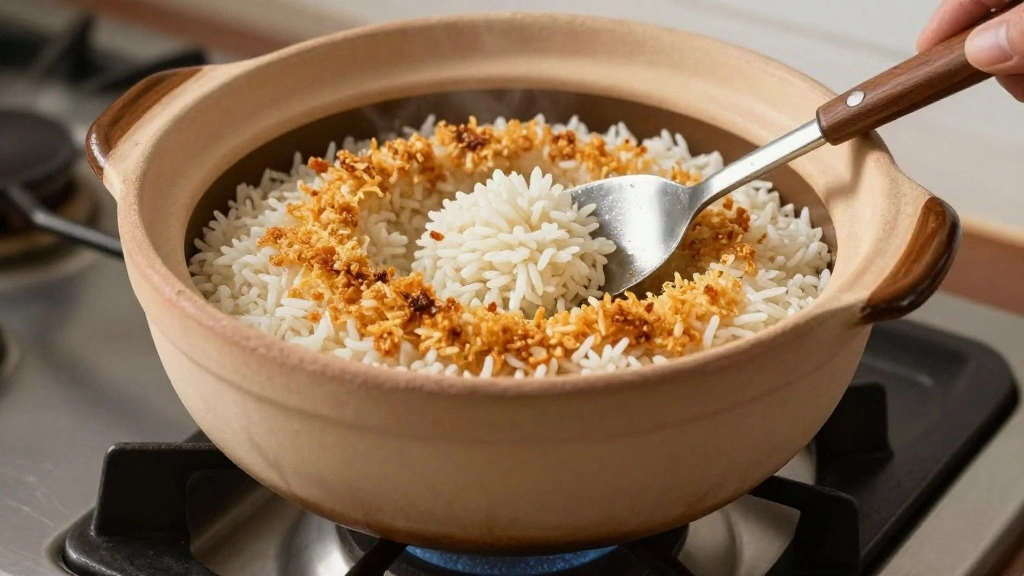
{"title": "Step 7: Create Crispy Rice Layer","description": "Increase the heat to medium-high for a few minutes.\n\nListen for a sizzling sound, indicating the rice is crisping.\n\nUse a spatula to gently press the rice against the pot's surface.\n\nCarefully monitor to avoid burning.","image_prompt": "A clay pot sizzling on a stove, with a spatula pressing down on the rice to create a golden crust."}
Step 8: Serve and Enjoy
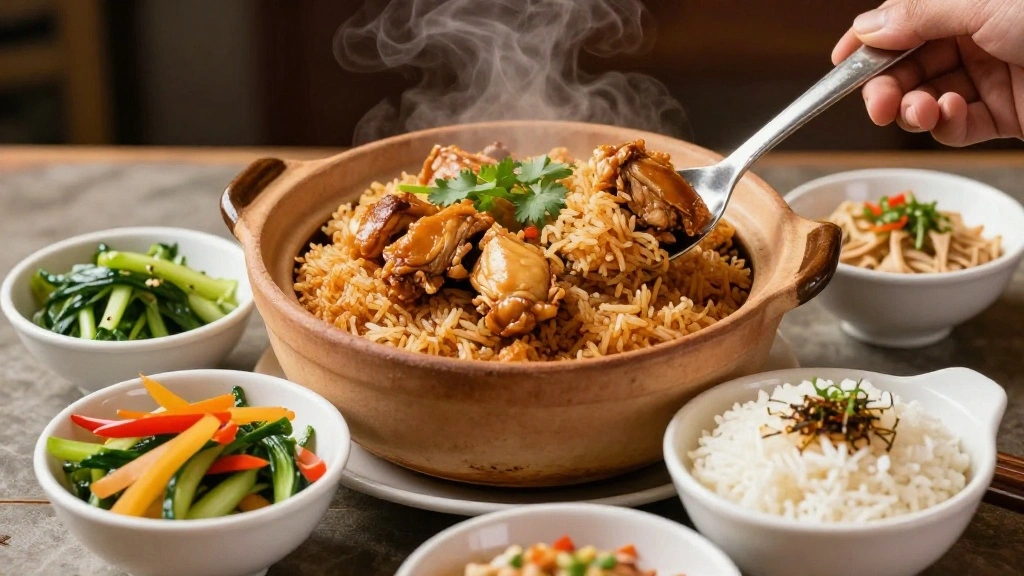
{"title": "Step 8: Serve and Enjoy","description": "Once the rice is crispy, turn off the heat and let the pot sit for a minute.\n\nCarefully lift the lid to reveal the aromatic dish inside.\n\nUse a wooden spoon to serve, ensuring each portion includes crispy rice, protein, and vegetables.\n\nGarnish with fresh herbs if desired and savor the flavors.","image_prompt": "A completed dish of clay pot rice being served into bowls, with steam rising and fresh herbs as garnish."}
Critical Timing and Temperature Guide
Simmering Process: Maintain a low simmer for 15-20 minutes. Visual indicators include bubbling around the edges. Avoid frequent stirring to allow flavors to meld.
Crisping Rice: Increase to medium-high for 5 minutes. Listen for a sizzling sound. Avoid letting the rice burn by monitoring closely.
Vegetable Cooking: Add vegetables for the last 5-10 minutes. They should be vibrant and slightly crunchy. Overcooking leads to loss of color and nutrients.
Pro Tips for Chinese Clay Pot
• Ingredient Selection: Choose high-quality jasmine rice and fresh vegetables for the best flavor and texture.
• Preparation Secret: Marinate chicken for at least 15 minutes to enhance flavor absorption.
• Temperature Management: Keep rice at room temperature before cooking to ensure even heating.
• Texture Enhancement: Use a spatula to press rice against the pot for a perfect crispy layer.
• Flavor Layering: Layer soy sauce and oyster sauce in the marinade to build complexity.
• Make-Ahead Strategies: Precook rice and store in the fridge for up to two days before using.
• Restaurant-Quality Finishing Touches: Garnish with fresh cilantro or scallions for added freshness.
• Equipment Optimization: Ensure the clay pot is well-seasoned to prevent sticking and enhance flavors.


Troubleshooting Common Issues
• Rice Sticking to Pot: This often occurs if the pot isn't properly seasoned or if the heat is too high. Ensure the pot is preheated with enough oil.
• Flavors Unbalanced: If the dish tastes too salty or bland, adjust soy sauce and sugar levels. Taste and adjust seasonings before final cooking.
• Undercooked Chicken: Ensure chicken is cut into uniform pieces and marinated properly. Cook longer in the initial simmering phase if needed.
• Vegetables Too Soggy: Make sure not to overcook vegetables. Add them towards the end of the cooking process.
• Rice Not Crispy: Ensure proper oil distribution and increase heat only towards the end. Listen for sizzling as a cue.
• Bland Overall Taste: Consider using chicken stock instead of water for richer flavor when cooking rice.


Variations and Regional Differences
• Cantonese Style: Often includes seafood like shrimp and uses a lighter soy sauce for a more delicate flavor profile.
• Shanghai Variation: Features pork belly and preserved vegetables, offering a richer and saltier taste.
• Vegetarian Option: Uses tofu or seitan as protein substitutes, with added vegetables like bell peppers and carrots for color and nutrition.
• Sichuan Twist: Incorporates spicy elements like chili paste and Sichuan peppercorns for a fiery kick.


Food Science Behind the Recipe
• Maillard Reaction: The browning of rice at high heat creates complex flavors and crispy texture due to the Maillard reaction.
• Starch Gelatinization: Rice starches gelatinize during cooking, absorbing flavors and impacting the final texture.
• Marination Chemistry: Acids in the marinade break down proteins in the chicken, tenderizing it and enhancing flavor absorption.
Frequently Asked Questions
What's the most common mistake people make when preparing Classic Chinese Clay Pot Rice? The most common mistake is not preheating the clay pot properly, which can lead to uneven cooking and rice sticking.
Can I use brown rice instead of jasmine rice? Yes, but you will need to adjust the cooking time and liquid ratio as brown rice takes longer to cook.
How can I store leftovers? Store leftovers in an airtight container in the refrigerator for up to three days. Reheat gently on the stove to restore some crispiness.
Is it necessary to use a clay pot? While a clay pot is traditional and offers the best results, a heavy-bottomed pot like a Dutch oven can also work.
Can I add other proteins? Absolutely, feel free to experiment with shrimp, beef, or tofu for different flavors.
What if I don't have oyster sauce? You can substitute with hoisin sauce or soy sauce, though the flavor profile will differ slightly.
How do I prevent the rice from becoming too dry? Ensure you have the right amount of liquid when cooking the rice initially, and avoid cooking on high heat for too long.
Serving and Presentation Guide
• Traditional Presentation: Serve directly from the clay pot with family-style wooden bowls and chopsticks.
• Modern Twist: Plate individually with a garnish of fresh herbs and a side of soy sauce for dipping.
• Casual Gathering: Present with a variety of side dishes like pickled vegetables and spicy dipping sauces.
• Elegant Dinner: Serve in small, individual clay pots for each guest, garnished with edible flowers for a sophisticated touch.


Conclusion
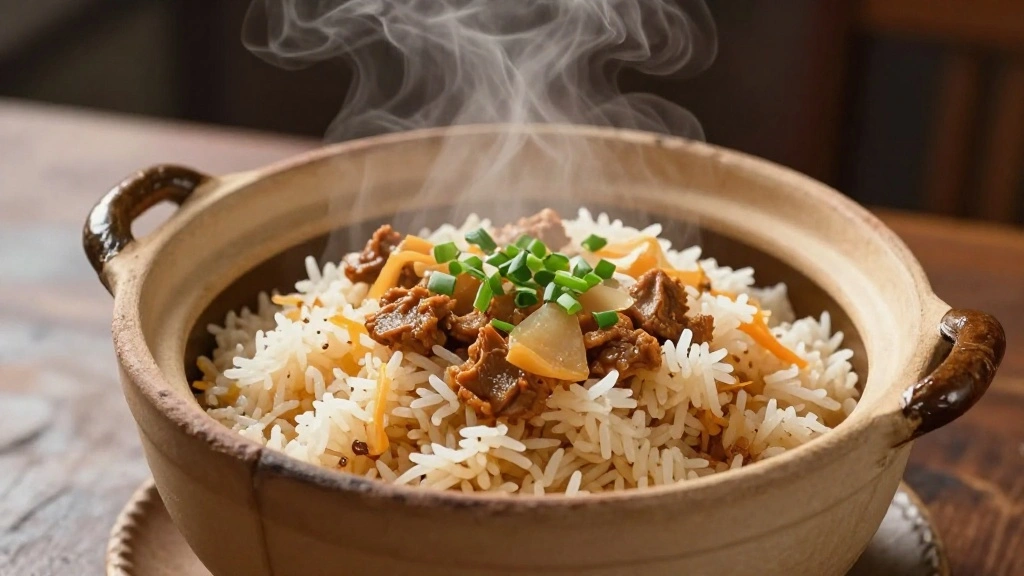
This Classic Chinese Clay Pot Rice offers a delightful combination of textures and flavors that are sure to please everyone at the table.
With its rich history and comforting appeal, it’s a dish that brings warmth and satisfaction in every bite.
Give it a try and let the aromatic scents and crispy rice transport you to a world of culinary comfort.
Share this recipe with friends and family, and enjoy the art of one-pot cooking together.