
Written by

Edited by

Affiliate Disclosure:
If you buy through links on our site, we may earn a small affiliate commission to help support the blog – at no extra cost to you. It never influences our product selection process. Thank you!
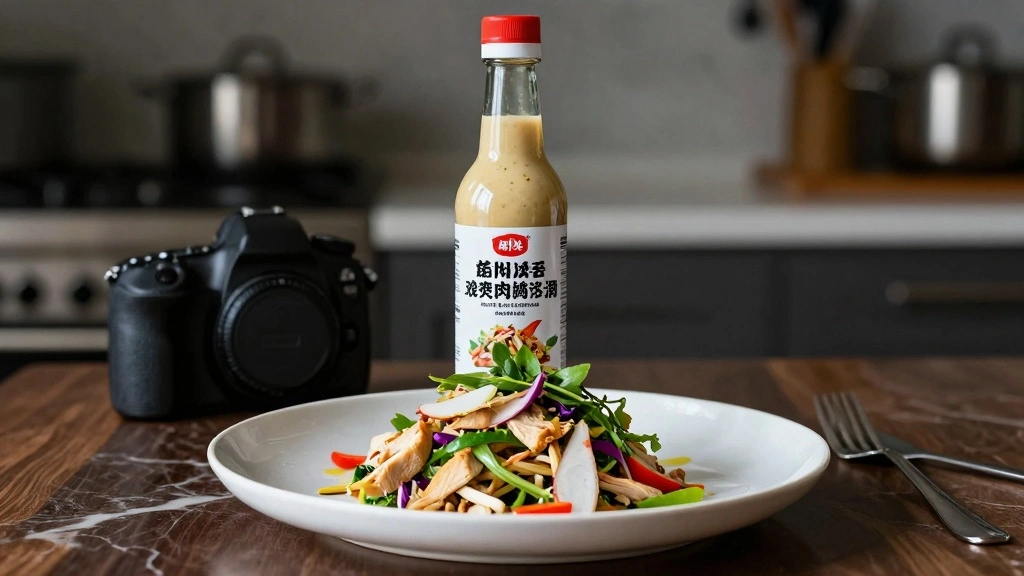
The harmonious balance of sweet, savory, and tangy flavors in this Chinese Chicken Salad Dressing creates a memorable dining experience that will have everyone asking for your secret.
Drawing from both traditional Chinese culinary techniques and modern influences, this dressing is as versatile as it is delicious.
I discovered this recipe during my travels through China, where local chefs have perfected it through generations of careful refinement.
Whether you’re preparing a casual family dinner or hosting a special celebration, this Chinese Chicken Salad Dressing delivers impressive results with straightforward preparation.
• The dish evolved over decades as Asian ingredients became more widely available in the West, eventually becoming the beloved version we know today.
• In Chinese-American culture, this dish traditionally appears at potlucks and family gatherings, symbolizing a fusion of flavors and cultures.
• While many variations exist across different regions, the authentic version maintains a balance of sweet and savory flavors that sets it apart from imitations.
Measuring Spoons: Precision is key to balancing flavors in this dressing, so measuring spoons are important for accurate ingredient ratios. Look for spoons that are easy to level off for accuracy.
Mason Jar: A mason jar is perfect for shaking and storing the dressing, allowing for quick mixing and easy storage. An alternative could be any sealable container, but a jar offers the convenience of shaking to mix.
| Amount | Ingredient | Notes |
|---|---|---|
| 3 tablespoons | soy sauce | adds savory depth |
| 2 tablespoons | rice vinegar | provides a tangy contrast |
| 1 tablespoon | sesame oil | imparts nutty flavor |
| 1 tablespoon | honey | balances with sweetness |
| 1 teaspoon | grated ginger | adds warmth and spice |
| 1 teaspoon | sugar | enhances overall flavor |
| 1 clove | garlic | minced for pungency |
Flavor Balancing: This technique involves adjusting the sweet, salty, and tangy elements of the dressing to achieve a harmonious taste. Taste frequently and adjust as needed, adding small amounts of honey or vinegar to tweak the flavor.
Grating Ginger: Grating fresh ginger releases its juices and enhances the dressing’s flavor. Use a microplane or fine grater for best results, and be mindful of the fibrous nature of ginger, which can clog graters if not handled carefully.
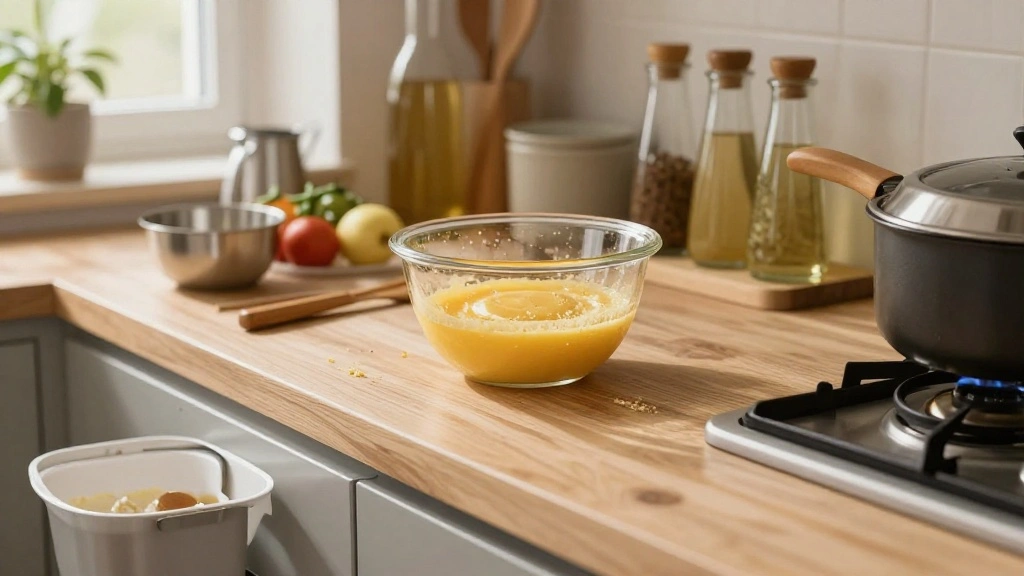
Ensure they are measured accurately for balance.
Place them within easy reach on your workspace.
This will streamline the mixing process.
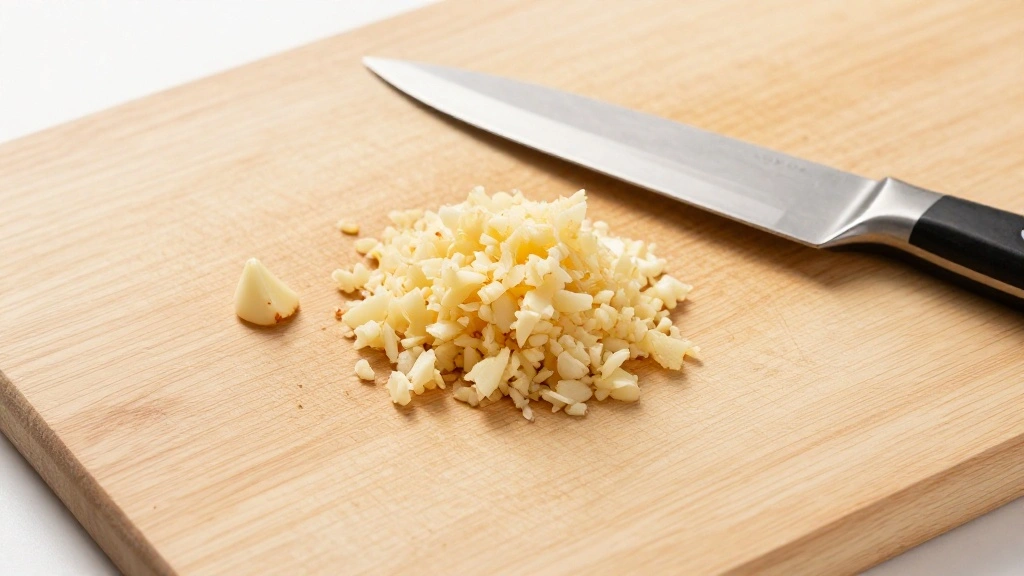
Use a sharp knife for precise cutting.
Aim for uniform pieces to ensure even flavor distribution.
This prevents overpowering chunks in the dressing.
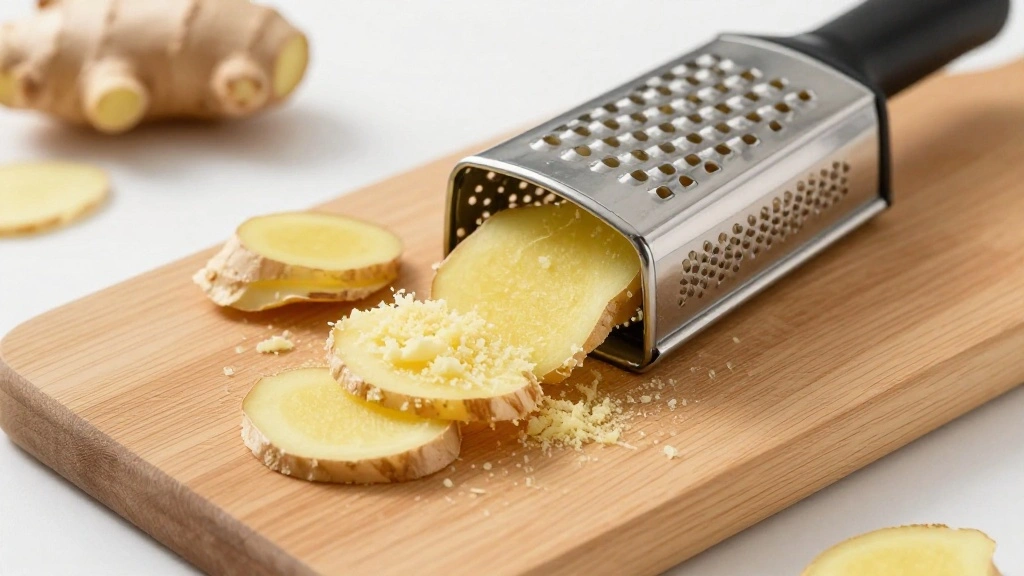
Hold the ginger firmly for control.
Grate until you have about one teaspoon.
This releases the ginger’s fragrant oils for flavor.
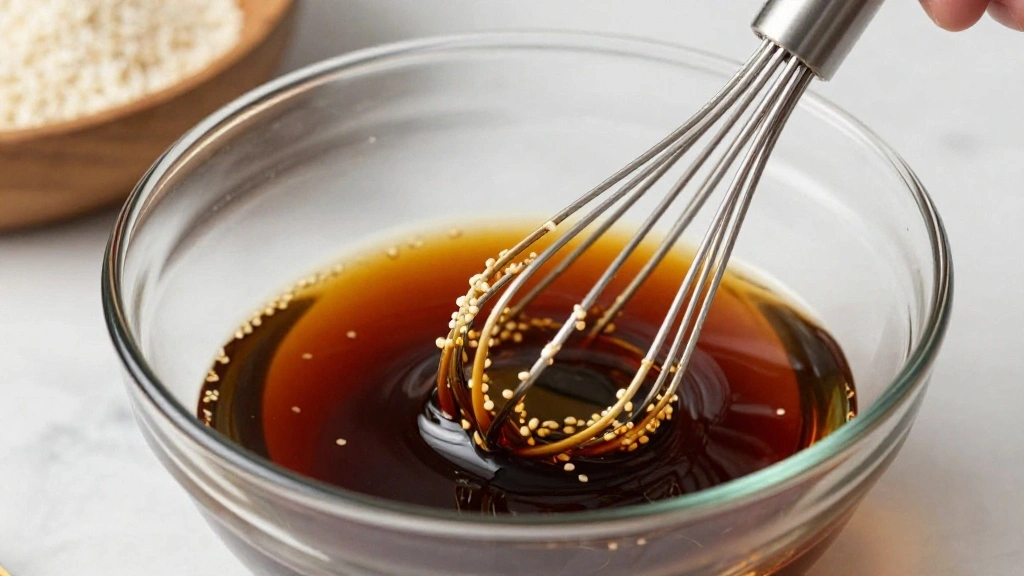
Use a measuring spoon for accuracy.
This forms the base of the dressing.
Ensure thorough mixing for flavor integration.
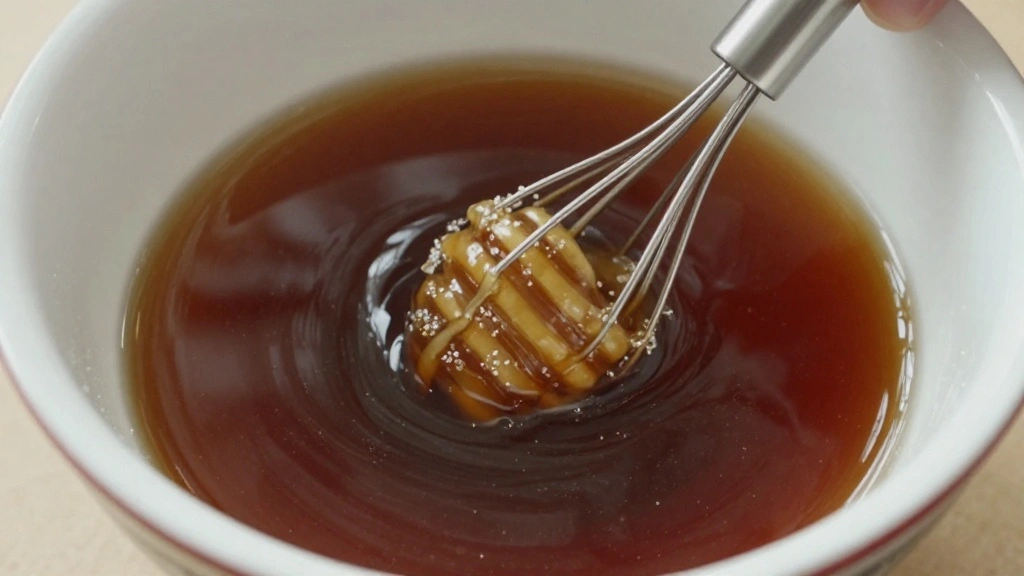
Stir until both are fully dissolved.
This balances the dressing’s flavors.
Ensure there are no undissolved sugar granules.
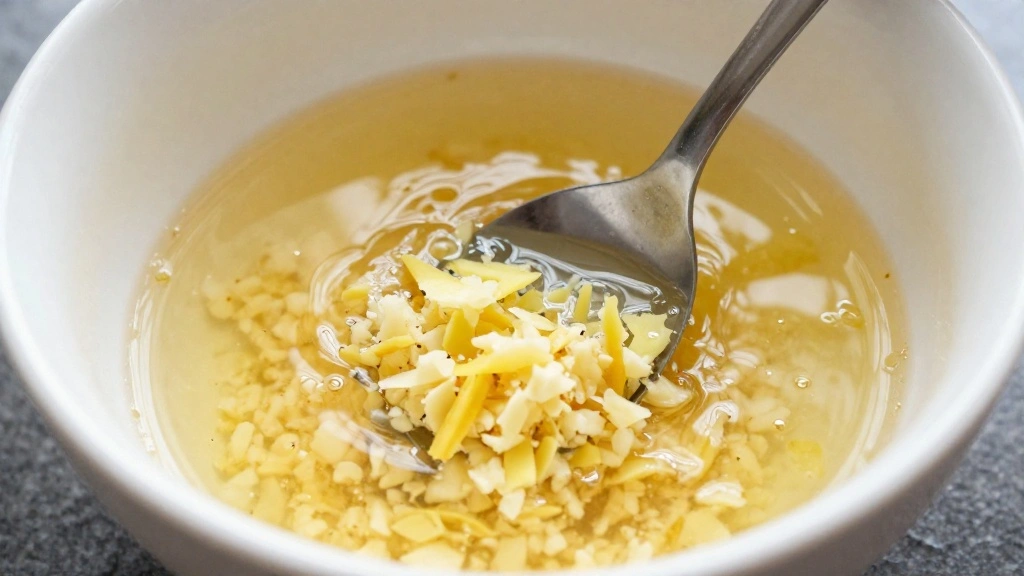
Stir to combine with the liquid ingredients.
These aromatics enhance the dressing’s depth.
Ensure even distribution throughout the mixture.
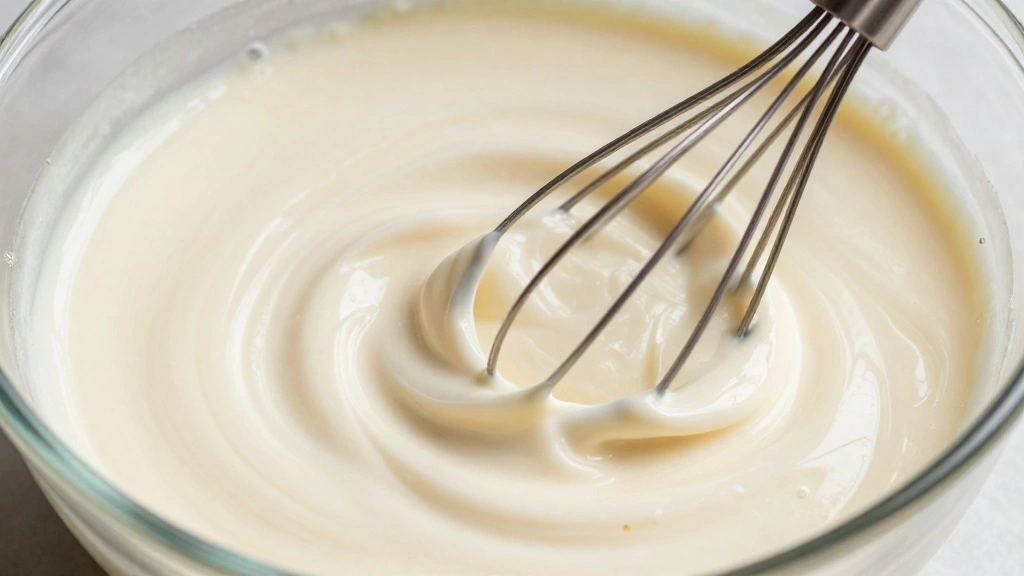
Watch for a smooth, homogenous texture.
This process ensures the oil and vinegar blend well.
Continue whisking until the dressing appears uniform.
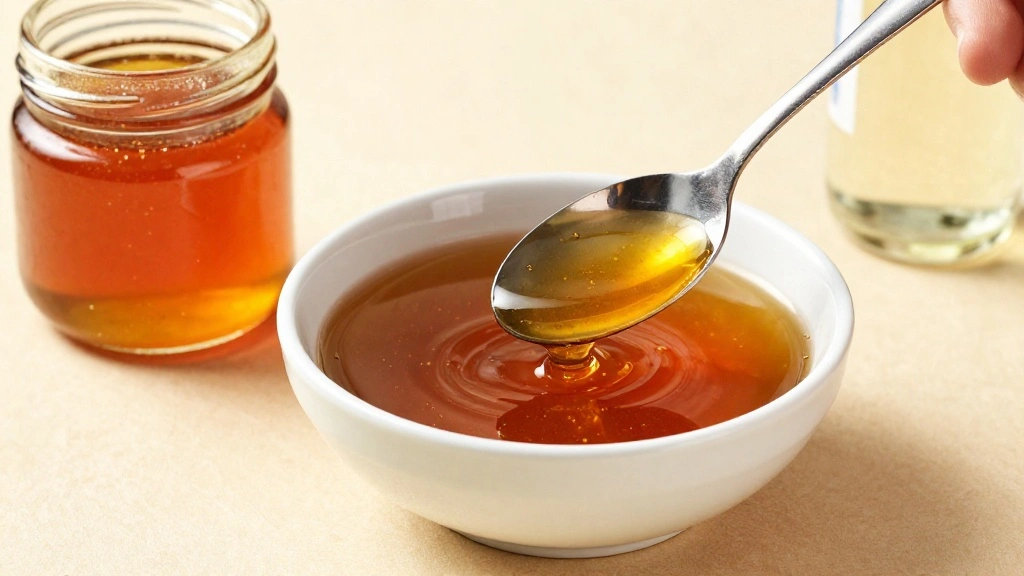
Adjust with additional honey or vinegar if needed.
This step ensures the desired sweet-savory profile.
Refine the flavors to your preference.
Flavor Adjustment: Allow the dressing to sit for 5 minutes after initial mixing, then taste and adjust. This resting period lets flavors meld, revealing true balance.
Storage: Store the dressing in a sealed container in the refrigerator for up to 1 week. Shake well before each use to re-emulsify.
• Preparation Secret: Let the prepared dressing sit at room temperature for 10 minutes to allow the flavors to meld before serving.
• Temperature Management: Use room-temperature ingredients to ensure even mixing and avoid solidifying the sesame oil.
• Texture Enhancement: For a creamier texture, blend the dressing with a hand blender for 30 seconds after whisking.
• Flavor Layering: Layer flavors by adding a dash of chili oil for a subtle heat that complements the sweetness.
• Make-Ahead Strategies: Prepare the dressing a day in advance to allow flavors to fully develop, storing it in a sealed container.
• Restaurant-Quality Finishing Touches: Garnish with toasted sesame seeds and sliced green onions just before serving for added texture and aroma.
• Equipment Optimization: Use a tight-sealing mason jar to shake and store the dressing, ensuring thorough mixing and easy storage.
• Too Sweet: If the dressing is too sweet, add a splash of rice vinegar to balance. Taste and adjust in small increments to avoid over-acidification.
• Overpowering Garlic: For overly garlicky dressing, dilute with additional soy sauce and honey to mellow the flavor.
• Weak Flavor: Enhance a weak flavor profile by adding a pinch of salt and a drop of sesame oil, tasting after each addition.
• Too Thick: If the dressing is too thick, thin with a tablespoon of water or rice vinegar, whisking until the desired consistency is achieved.
• Cantonese Style: Features oyster sauce and ginger, emphasizing a sweeter and richer profile typical of Cantonese cuisine.
• Korean-Inspired: Incorporates gochujang and rice syrup, offering a spicy and slightly fermented taste.
• Japanese Fusion: Uses miso paste and sake, creating a savory umami flavor with a hint of sweetness.
• Maillard Reaction: This reaction isn’t directly involved in the dressing, but understanding it helps appreciate the depth sesame oil adds, as it’s often toasted.
• Flavor Compounds: The interplay of sweet, salty, and umami flavors is managed by balancing acids and sugars, a principle that guides many Asian culinary traditions.
Can I substitute ingredients if I don’t have all of them? Yes, you can substitute rice vinegar with apple cider vinegar or honey with maple syrup, but these changes will slightly alter the flavor profile.
How long can I store the dressing? The dressing can be stored in the refrigerator for up to a week. Shake well before each use to recombine ingredients.
Why does my dressing taste too salty? If it tastes too salty, add a bit more honey or a splash of water to dilute the saltiness.
Can I make the dressing ahead of time? Yes, making the dressing a day in advance allows the flavors to meld, enhancing the taste.
Is it necessary to use fresh ginger? Fresh ginger is preferred for its vibrant flavor, but ground ginger can be used in a pinch, though it will change the taste slightly.
How can I make the dressing spicier? Add a dash of chili oil or a pinch of red pepper flakes for a spicier kick.
• Family Style: Present the salad components separately for guests to customize their servings, offering the dressing on the side.
• Plated Elegance: Arrange the salad neatly on individual plates, with a small pitcher of dressing for guests to pour themselves.
• Modern Twist: Serve in mason jars for a portable and visually appealing presentation, with layers of salad and dressing.
With its easy preparation and impressive flavor profile, this dressing is sure to become a staple in your kitchen.
I invite you to try this recipe and experience the delightful balance of flavors that make it truly special.

Chinese Recipes
Chinese Recipes
Chinese Recipes
Chinese Recipes
Chinese Recipes