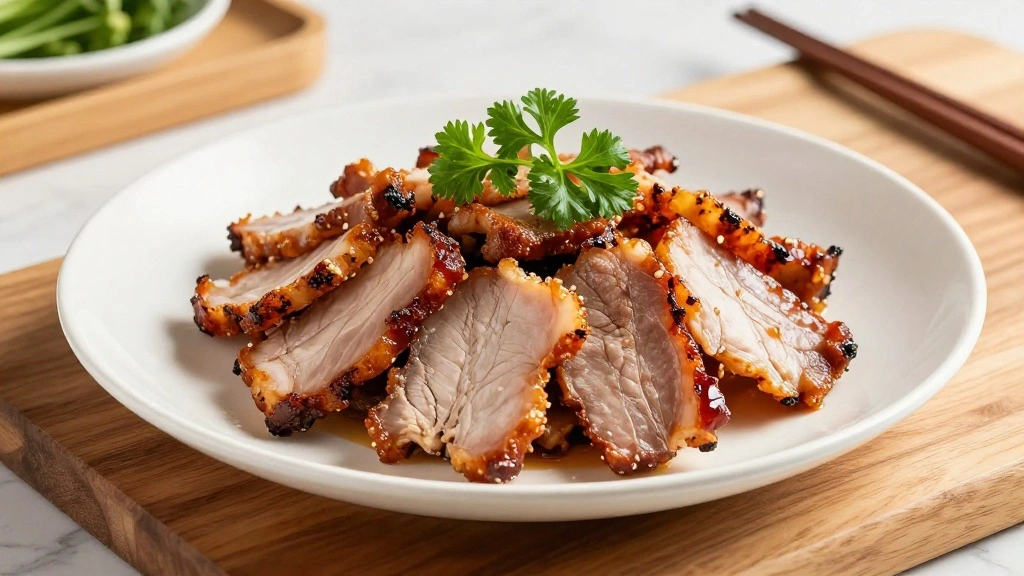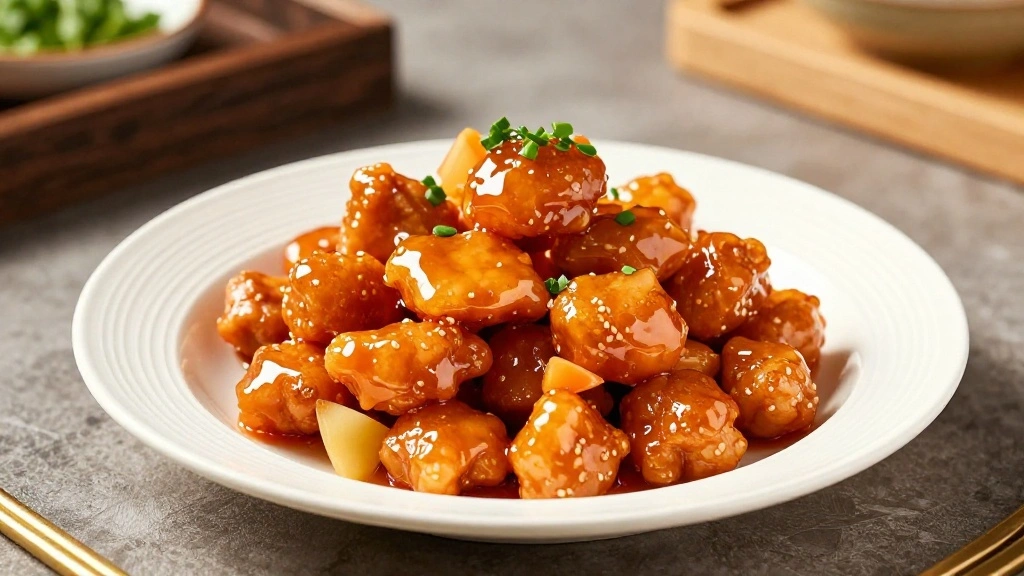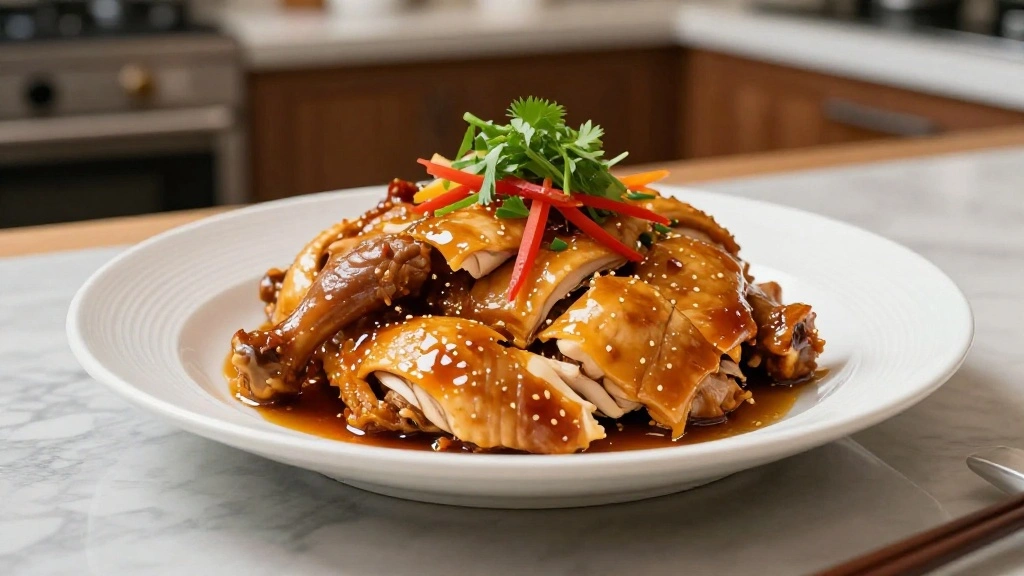

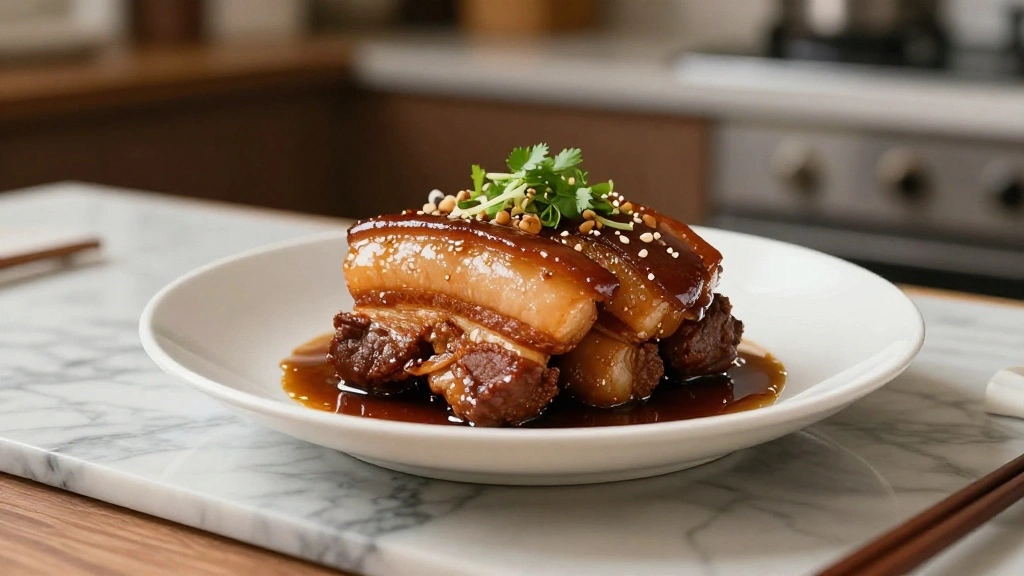


The allure of Chinese Braised Pork Belly lies in its melt-in-your-mouth tenderness and rich, savory flavor profile.
This dish, with its glossy caramelized sheen, is a staple in many Chinese households, representing comfort and tradition.
I first encountered this recipe during a festive gathering in Shanghai, where it was the star of the meal, surrounded by an array of vibrant side dishes.
The harmonious balance of soy, sugar, and aromatic spices creates a memorable dining experience that will have everyone asking for your secret.
Whether you’re preparing a casual family dinner or hosting a special celebration, this braised pork belly delivers impressive results with straightforward preparation.
The History and Cultural Significance
• Chinese Braised Pork traces its origins to the Jiangsu province during the Qing Dynasty, where it was originally created by home cooks for family gatherings.
• The dish evolved over decades as regional variations introduced new spices and cooking techniques, eventually becoming the beloved version we know today.
• In Chinese culture, this dish traditionally appears at Lunar New Year celebrations, symbolizing prosperity and family unity.
• While many variations exist across different regions, the authentic version maintains a delicate balance of sweet and savory flavors that sets it apart from imitations.


Recipe Overview
Nutritional Information (per serving)
Essential Equipment Guide
Heavy-Duty Pot or Dutch Oven: A heavy-duty pot or Dutch oven is essential for even heat distribution and retaining moisture during the braising process. Alternatives like a slow cooker can work, but the flavor depth achieved with a Dutch oven is unparalleled. Look for one with a tight-fitting lid to ensure the braising liquid does not evaporate too quickly.
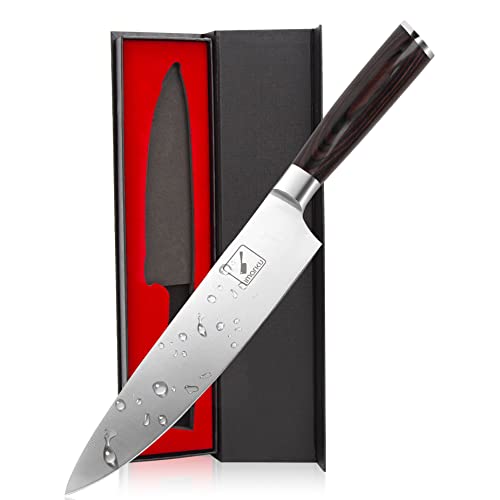
Sharp Chef’s Knife: A sharp chef’s knife is crucial for cutting the pork belly into uniform pieces, ensuring even cooking. While a cleaver can also be used, a chef’s knife offers more control for precision cuts. Ensure the knife is well-balanced for comfortable handling.
Fine Mesh Strainer: A fine mesh strainer is important for skimming impurities from the braising liquid, which helps achieve a clear, glossy sauce. A slotted spoon can serve as an alternative, but a strainer offers more precision. Choose one with a sturdy handle for ease of use.



Ingredients
For the Base
|
| Amount | Ingredient | Notes |
|---|---|---|
| 1 kg | pork belly | cut into 2-inch cubes |
For the Sauce
| Amount | Ingredient | Notes |
|---|---|---|
| 1/2 cup | soy sauce | for umami flavor |
| 1/4 cup | dark soy sauce | adds color and depth |
| 1/4 cup | Shaoxing wine | for depth of flavor |
| 1/4 cup | sugar | balances savory elements |
| 3 cups | water | for braising liquid |
Seasonings
| Amount | Ingredient | Notes |
|---|---|---|
| 1 piece | ginger | sliced, adds warmth |
| 3 cloves | garlic | crushed, for aroma |
| 2 pieces | star anise | for anise flavor |
| 1 stick | cinnamon | adds warmth and spice |
Vegetables
| Amount | Ingredient | Notes |
|---|---|---|
| 2 stalks | scallions | cut into sections, for garnish |


Preparation Methods
Browning the Meat: Browning the pork belly is crucial for developing flavor. The Maillard reaction, which occurs when the meat is seared, creates complex flavor compounds that enhance the dish. To master this, ensure the pan is hot and avoid overcrowding, allowing each piece to sear properly.
Deglazing: Deglazing involves adding liquid to a hot pan to lift browned bits from the bottom, which infuse the braising liquid with additional flavor. Use Shaoxing wine for this dish, as it adds a unique depth. Scrape the pan with a wooden spoon to ensure all bits are incorporated.
Braising: Braising involves cooking the pork slowly in liquid, allowing the flavors to meld and the meat to become tender. Maintain a gentle simmer; boiling can toughen the meat. Cover the pot to retain moisture and check occasionally to ensure the liquid level is adequate.

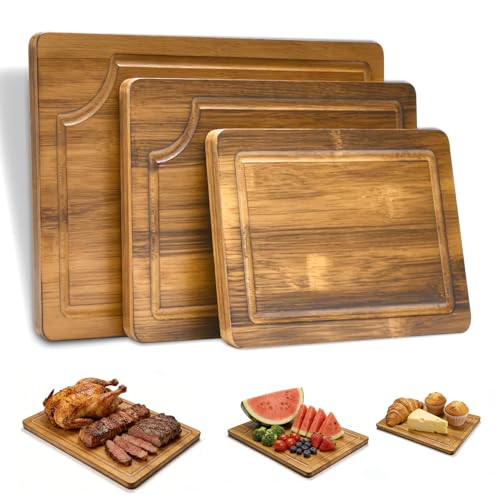
Step 1: Prepare Ingredients
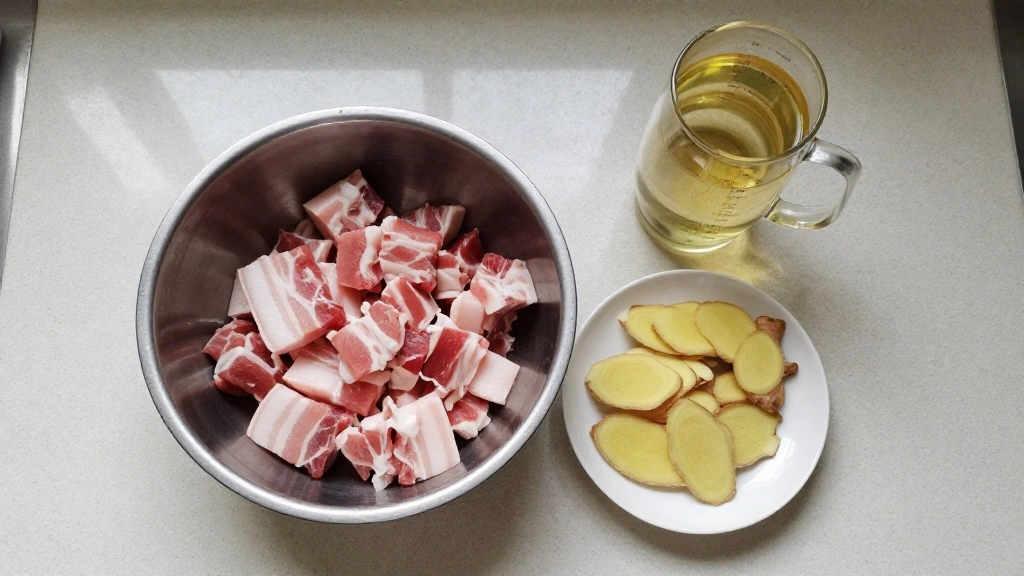
Gather all ingredients and equipment before starting.
Cut the pork belly into 2-inch cubes and set aside.
Slice the ginger and crush the garlic cloves for the seasoning.
Ensure all ingredients are measured and ready to use.


Step 2: Sear the Pork Belly
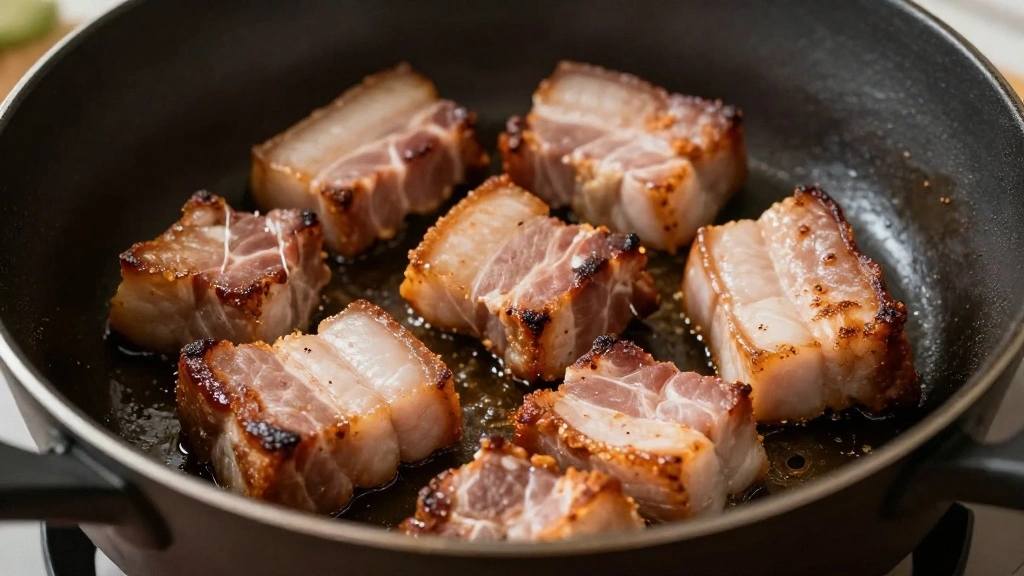
Heat a heavy-duty pot or Dutch oven over medium-high heat.
Add the pork belly pieces in a single layer and sear until browned on all sides.
Work in batches to avoid overcrowding the pan, which can lead to steaming instead of browning.
Remove the browned pork and set aside.

Step 3: Deglaze the Pot

Pour Shaoxing wine into the hot pot to deglaze, scraping up any browned bits.
Allow the wine to simmer for a minute to reduce slightly.
This process enhances the flavor of the braising liquid.
Ensure all bits are loosened from the bottom of the pot.
Step 4: Add Aromatics
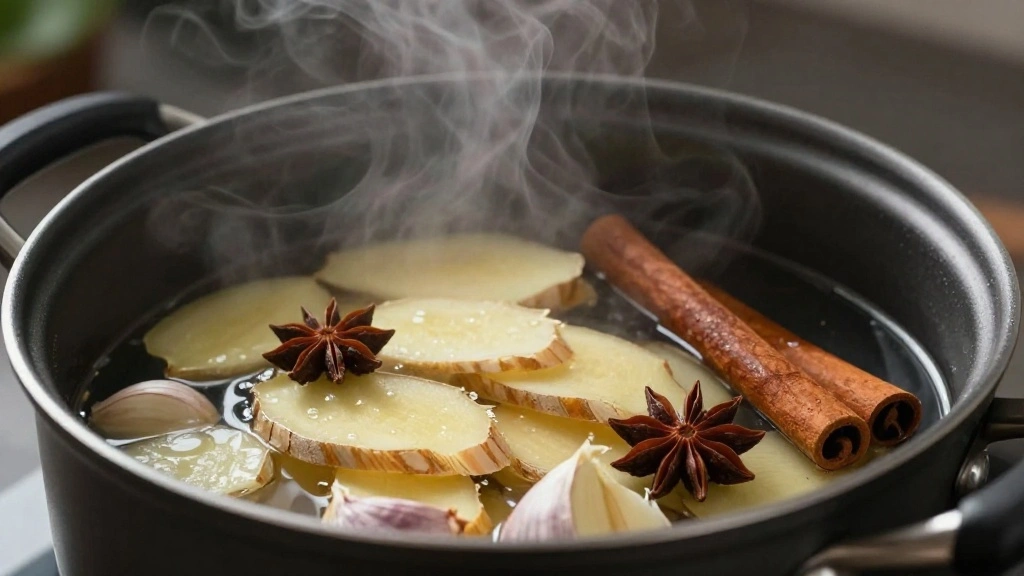
Add ginger slices, crushed garlic, star anise, and cinnamon to the pot.
Stir them in the wine to release their aromas.
Cook for about 2 minutes until fragrant.
This step infuses the braising liquid with complex flavors.
Step 5: Combine Ingredients
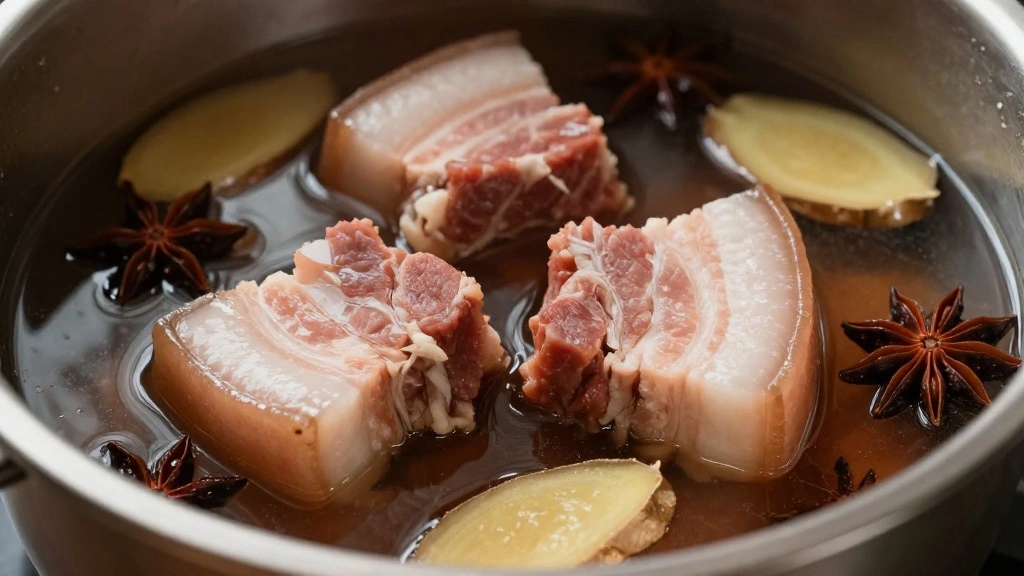
Return the seared pork belly to the pot.
Add soy sauce, dark soy sauce, and sugar to the pot.
Pour in the water to just cover the meat.
Stir to combine all ingredients evenly.


Step 6: Begin Braising
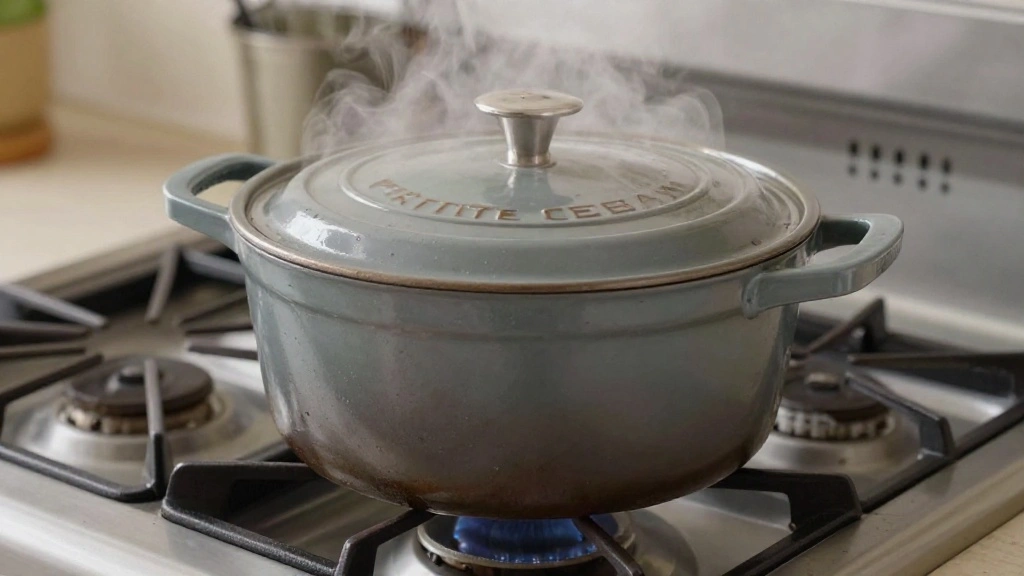
Bring the pot to a gentle simmer over medium heat.
Reduce the heat to low, cover the pot with a lid.
Allow the pork to braise for about 1.5 to 2 hours until tender.
Check occasionally to ensure the liquid level is maintained.
Step 7: Skim and Adjust
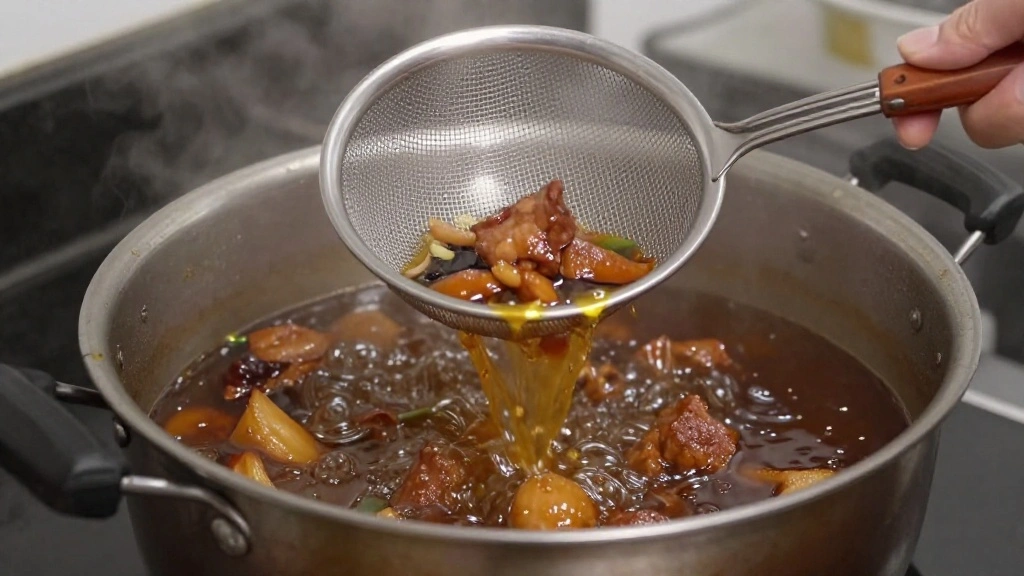
Periodically skim off any foam or impurities that rise to the surface.
This helps keep the sauce clear and glossy.
Taste the sauce and adjust seasoning if necessary.
Ensure the pork remains submerged during cooking.
Step 8: Finish and Serve
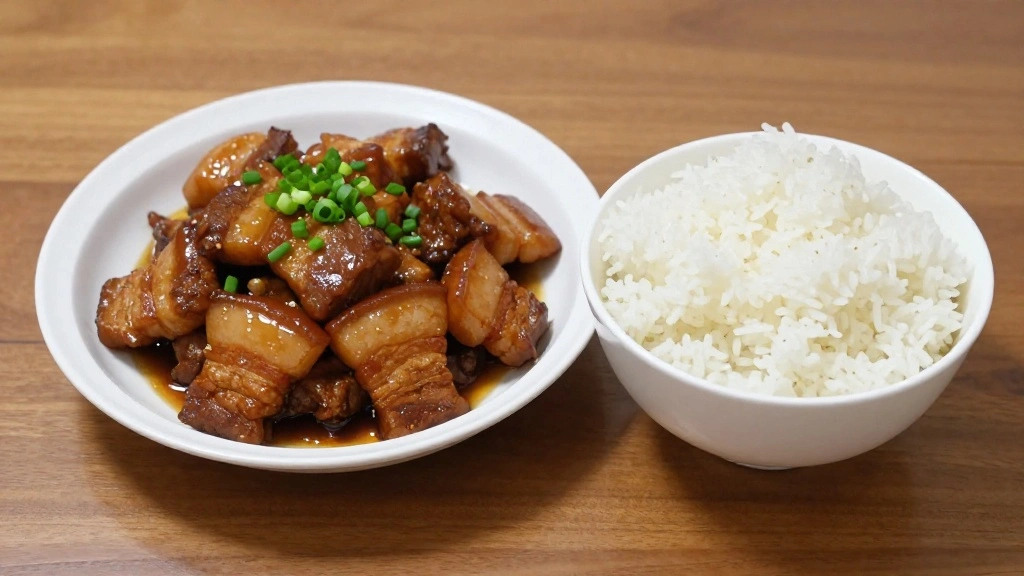
Once the pork is tender, remove the lid and increase the heat slightly.
Allow the sauce to reduce until thick and glossy.
Transfer the pork to a serving dish and garnish with sliced scallions.
Serve hot, accompanied by steamed rice.
Critical Timing and Temperature Guide
Browning the Meat: Sear the pork for about 3-4 minutes per side on medium-high heat until a deep brown crust forms. Avoid turning too soon, which prevents proper browning.
Braising: Maintain a low simmer at approximately 180°F for 1.5 to 2 hours. Ensure the liquid does not boil, as this can toughen the meat.
Sauce Reduction: After braising, increase the heat to medium and reduce the sauce for about 10-15 minutes until it reaches desired thickness. Stir occasionally to prevent sticking.
Pro Tips for Chinese Braised Pork
• Ingredient Selection: Choose pork belly with a good balance of meat and fat for the best texture and flavor. The quality of the soy sauce also dramatically impacts the depth of flavor.
• Preparation Secret: Marinate the pork belly in soy sauce and Shaoxing wine for 30 minutes before cooking to enhance flavor absorption.
• Temperature Management: Keep the braising temperature low and steady to ensure the pork becomes tender without drying out.
• Texture Enhancement: Allow the pork to rest in the braising liquid for an hour after cooking, which helps it absorb more flavor and become even more tender.
• Flavor Layering: Use a combination of light and dark soy sauces to add complexity and depth to the dish's flavor profile.
• Make-Ahead Strategies: Prepare the dish a day ahead and refrigerate it to allow flavors to meld. Reheat gently before serving.
• Restaurant-Quality Finishing Touches: Garnish with finely sliced scallions and a sprinkle of toasted sesame seeds for added flavor and visual appeal.
• Equipment Optimization: Use a cast-iron Dutch oven for optimal heat retention and even cooking, which is key to perfect braising.


Troubleshooting Common Issues
• Texture Too Dense: Overcooking at a high temperature can lead to dense pork. Ensure the liquid is gently simmering, not boiling, throughout the braising process.
• Flavors Unbalanced: If the dish is too salty, add a touch of sugar or water to balance the flavors. Always taste and adjust towards the end of cooking.
• Sauce Too Thin: If the sauce hasn't thickened by the end of cooking, increase the heat and reduce it further. Avoid adding thickening agents, as they can alter the flavor.
• Meat Sticking: If the meat sticks during browning, ensure the pan is hot enough before adding pork and avoid moving it too early.
• Lack of Aroma: Ensure spices like star anise and cinnamon are fresh, as stale spices can lead to a lack of aroma in the dish.
• Burning at the Bottom: Stir occasionally during braising to prevent the bottom from burning, especially as the sauce reduces.
Variations and Regional Differences
• Shanghai Style: This version uses more sugar and dark soy sauce for a sweeter, darker sauce. It often includes hard-boiled eggs braised alongside the pork.
• Sichuan Style: Incorporates Sichuan peppercorns for a numbing heat and includes more garlic and ginger for a spicier, aromatic profile.
• Cantonese Style: Features lighter flavors with less soy sauce, often adding dried orange peel for a citrusy note.
• Hunan Style: Known for its spicy kick, this version adds chili peppers and fermented black beans for a robust, spicy flavor.


Food Science Behind the Recipe
• Braising Process: The slow cooking in liquid allows collagen in the pork to break down into gelatin, resulting in tender meat and a rich sauce.
• Maillard Reaction: Browning the meat initiates the Maillard reaction, creating complex flavors and aromas that enhance the dish.
• Flavor Absorption: The use of soy sauce and Shaoxing wine as braising liquids helps the pork absorb umami-rich flavors, thanks to their amino acid content.


Frequently Asked Questions
What's the most common mistake people make when preparing Chinese Braised Pork Belly? The most common mistake is cooking at too high a temperature, which can cause the meat to become tough. Maintaining a gentle simmer is crucial.
Can I use a different cut of pork? While pork belly is traditional, you can substitute with pork shoulder for a leaner version. However, the texture and flavor will be slightly different.
How can I make this dish gluten-free? Use gluten-free soy sauce and ensure any other ingredients, like Shaoxing wine, are also gluten-free or find suitable substitutes.
Is it possible to make this dish vegetarian? You can create a vegetarian version using tofu or tempeh and a rich vegetable broth; however, the flavor profile will differ significantly.
How should I store leftovers? Store leftovers in an airtight container in the refrigerator for up to three days. Reheat gently on the stovetop or microwave.
Can I freeze the braised pork belly? Yes, freeze in an airtight container for up to three months. Thaw in the refrigerator before reheating gently.
What side dishes pair well with braised pork belly? Steamed rice, sautéed greens, or simple vegetable stir-fries complement the rich flavors of the braised pork belly.
Serving and Presentation Guide
• Traditional Presentation: Serve the pork belly in a shallow dish, garnished with sliced scallions and a drizzle of the reduced sauce.
• Modern Plating: Arrange the pork belly slices neatly on a plate with a side of steamed rice, topped with microgreens for a minimalist presentation.
• Family Style: Serve the dish in a large communal bowl at the center of the table, allowing guests to help themselves.
• With Accompaniments: Pair with pickled vegetables or a light soup to balance the richness of the pork belly.


Conclusion
This authentic Chinese Braised Pork Belly recipe offers a taste of tradition with every bite.
Its rich flavors and tender texture make it a standout dish for any occasion.
By following these detailed steps, you'll be able to recreate this culinary classic in your own kitchen.
Give this recipe a try and impress your family and friends with your newfound cooking prowess.