
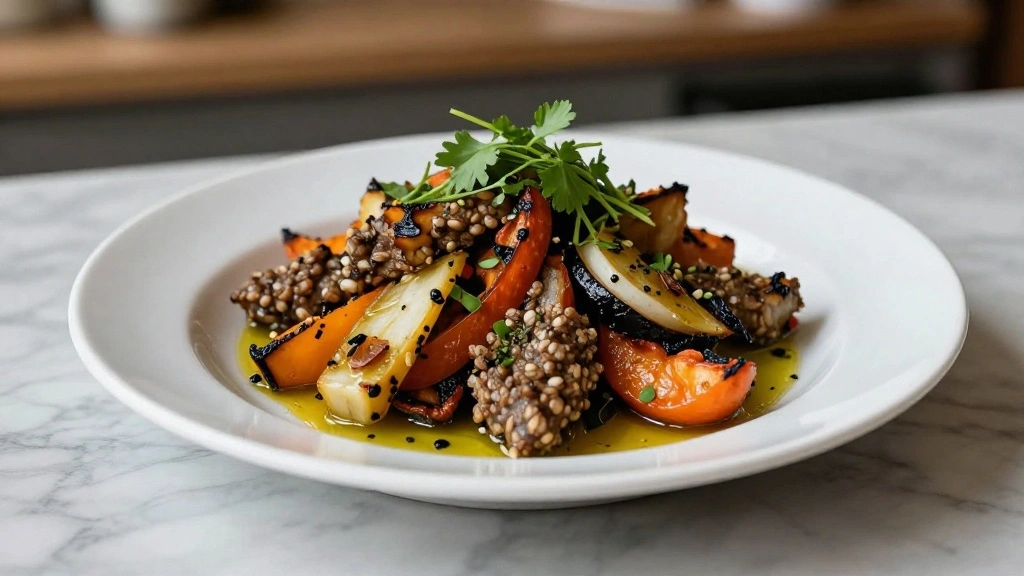


As the sun sets over the Aegean Sea, there’s nothing quite like the aroma of Greek Briam wafting through the kitchen.
This classic Mediterranean dish embodies the essence of rustic cooking, blending fresh vegetables with fragrant herbs and rich olive oil.
The harmonious flavors of zucchini, eggplant, and potatoes create an inviting warmth that’s perfect for any occasion.
Whether you’re savoring it as a comforting family meal or showcasing it at a dinner party, Greek Briam never fails to impress.
With its vibrant colors and flavors, this dish is as much a feast for the eyes as it is for the palate.
Join me on a culinary journey to explore this timeless Greek recipe.
The History and Cultural Significance
• Greek Briam traces its origins to the Ionian Islands, where it was originally created by local villagers as a way to use abundant summer vegetables.
• The dish evolved over decades as ingredients like tomatoes and potatoes became more available, eventually becoming the beloved version we know today.
• In Greek culture, this dish traditionally appears at summer gatherings and family feasts, symbolizing hospitality and abundance.
• While many variations exist across different regions, the authentic version maintains its signature blend of olive oil and fresh herbs that sets it apart from imitations.



Recipe Overview
Nutritional Information (per serving)



Essential Equipment Guide
Baking Dish: A large ceramic or glass baking dish is essential for even cooking and retaining the dish’s moisture. While metal pans can work, they may affect the flavor and texture.
Sharp Chef’s Knife: A high-quality chef’s knife is crucial for slicing the vegetables uniformly, ensuring even cooking. A dull knife can crush the vegetables rather than slice them cleanly.
Mandoline Slicer: This tool helps achieve thin, consistent slices, particularly for the potatoes and zucchini. If unavailable, a steady hand with a sharp knife is a good alternative.



Ingredients
Vegetables
|
|
| Amount | Ingredient | Notes |
|---|---|---|
| 2 medium | eggplants | sliced into 1/4-inch rounds |
| 3 medium | zucchinis | sliced into 1/4-inch rounds |
| 4 medium | potatoes | peeled and thinly sliced |
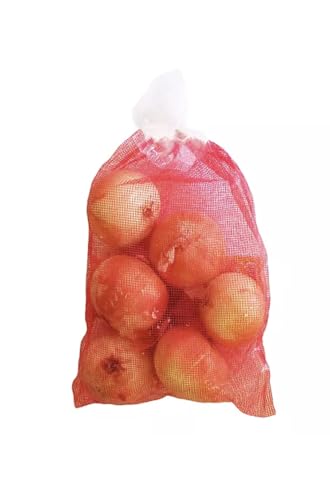
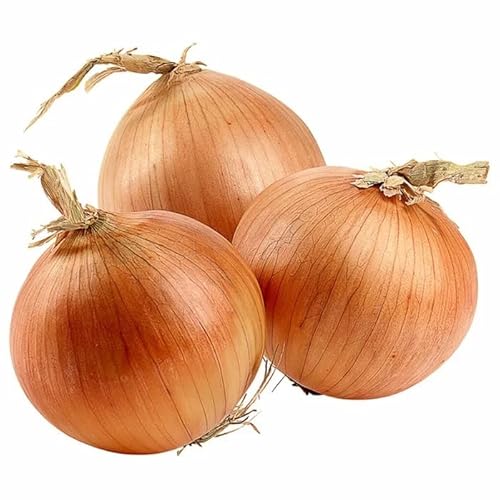
| 2 large | onions | thinly sliced |
| 3 medium | tomatoes | sliced |
Seasonings
| Amount | Ingredient | Notes |
|---|---|---|
| 1 cup | olive oil | high quality for rich flavor |
| 2 teaspoons | salt | to taste |
| 1 teaspoon | black pepper | freshly ground |
| 1 teaspoon | dried oregano | adds Mediterranean aroma |
| 3 cloves | garlic | minced |
Herbs
| Amount | Ingredient | Notes |
|---|---|---|
| 1 bunch | parsley | chopped for garnish |


Preparation Methods
Layering Technique: Layering the vegetables is crucial for even cooking and flavor distribution. Begin with the denser vegetables like potatoes, followed by eggplant, zucchini, and tomatoes. This order ensures that each vegetable cooks through without over-softening.
Herb Infusion: Infusing olive oil with minced garlic and oregano before adding it to the dish enhances the depth of flavor. Gently heat the oil and herbs together to release their aromas without burning them.
Slow Roasting: Slow roasting at a lower temperature allows the vegetables to caramelize and develop a rich, sweet flavor. Patience is key; rushing this process can result in unevenly cooked vegetables.


Step 1: Prepare Vegetables
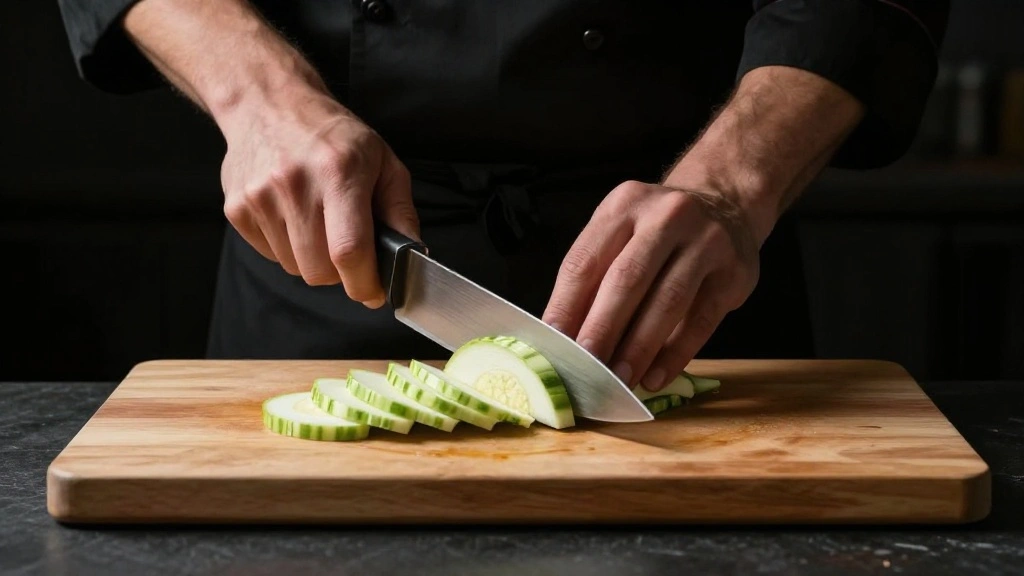
Wash all vegetables thoroughly.
Peel the potatoes, then slice all vegetables into 1/4-inch rounds.
Arrange them separately on a large tray to organize your workspace.
Ensure slices are even for consistent cooking.

Step 2: Preheat Oven
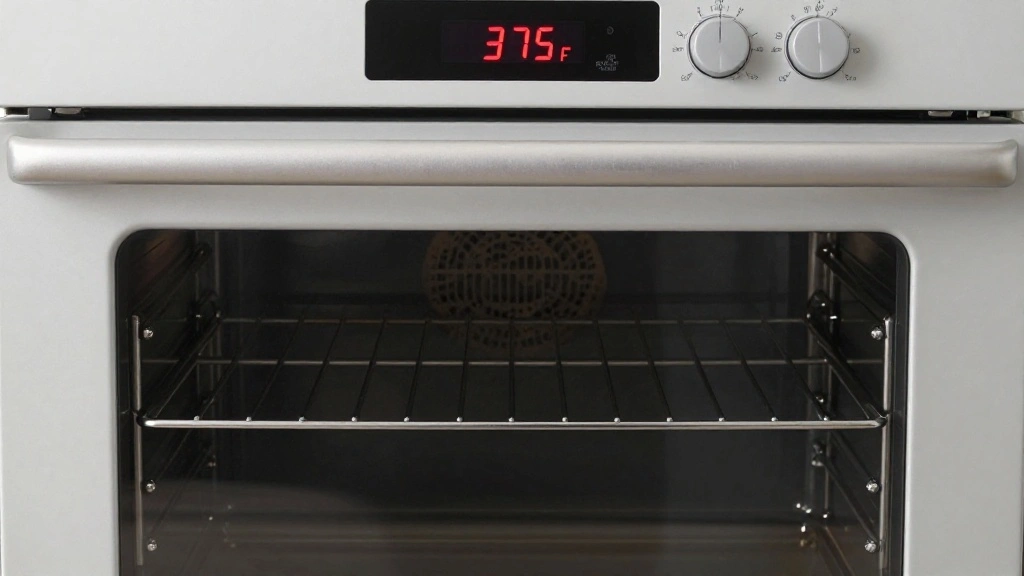
Preheat your oven to 375°F (190°C).
Ensure the rack is in the center position for even heat distribution.
Preheating helps achieve the ideal cooking environment.
Check the temperature with an oven thermometer if unsure.



Step 3: Infuse Olive Oil
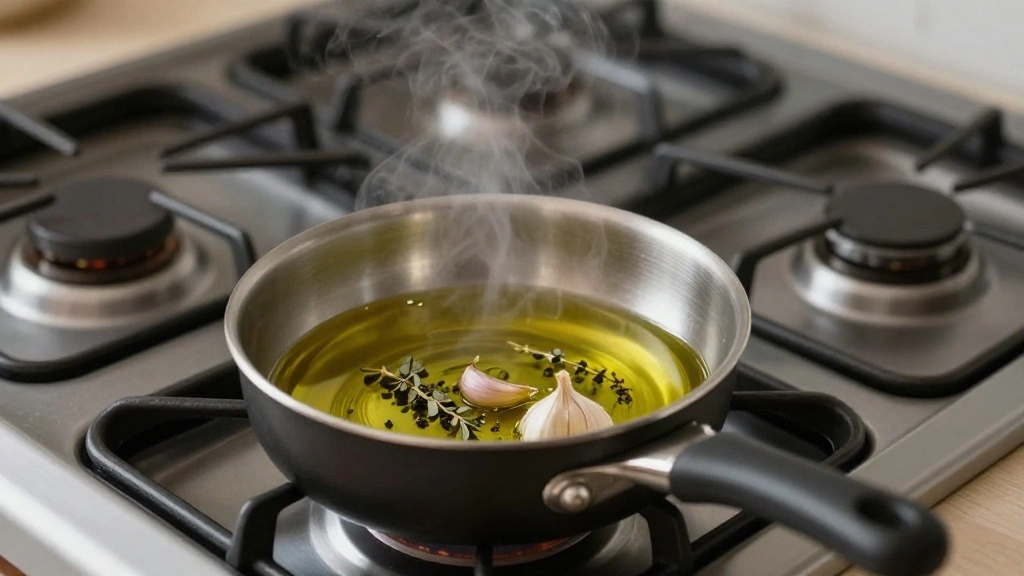
In a small saucepan, combine olive oil, minced garlic, and dried oregano.
Heat gently over low heat until aromatic, about 2 minutes.
Do not let the garlic brown, as it can turn bitter.
Set aside to cool slightly.


Step 4: Layer Vegetables
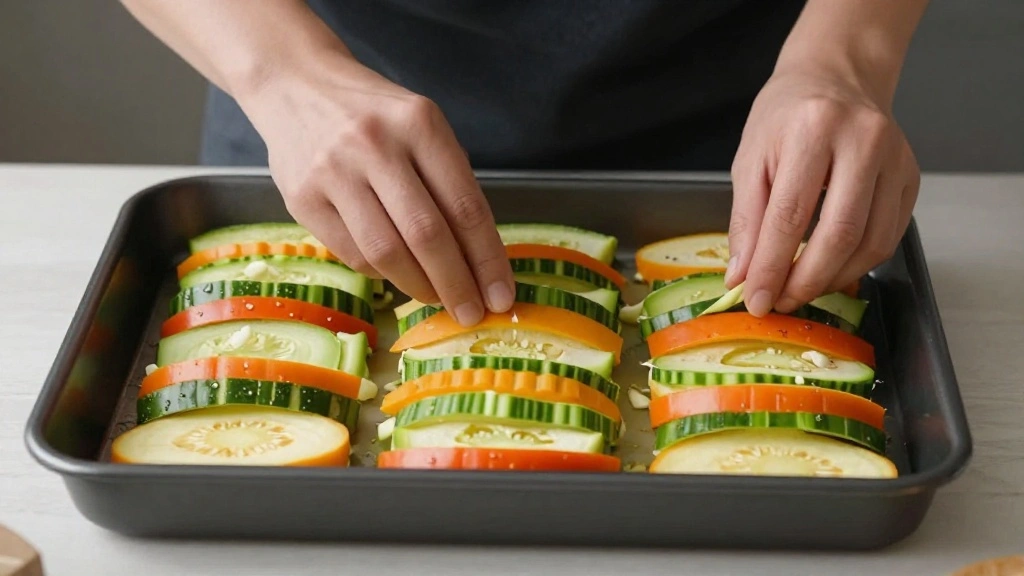
Begin layering vegetables in a baking dish, starting with potatoes.
Follow with eggplant, zucchini, onions, and tomatoes in sequential layers.
Each layer should slightly overlap the previous one.
This method ensures even cooking and flavor melding.

Step 5: Season and Oil
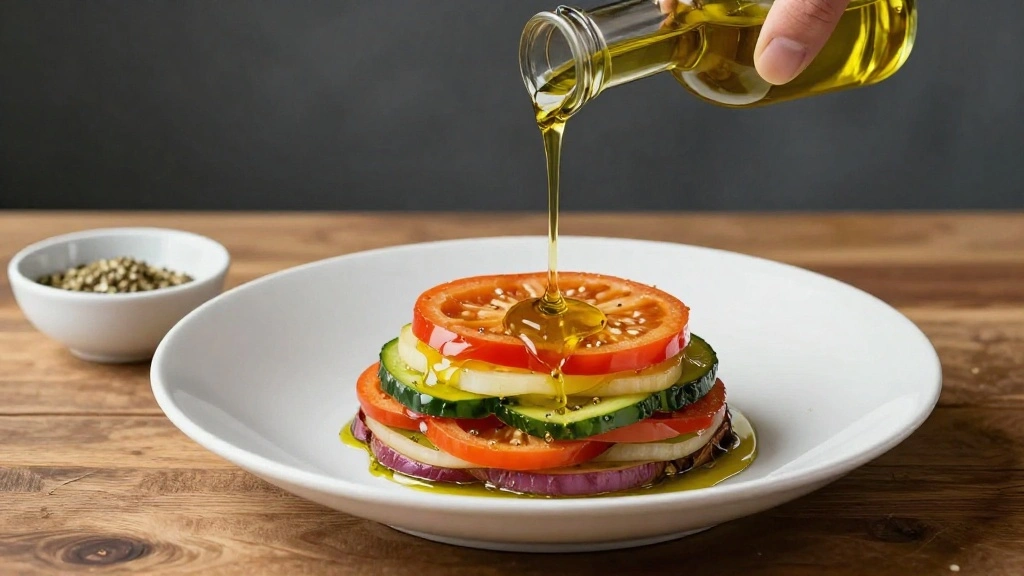
Drizzle half of the infused olive oil over the layered vegetables.
Season with salt and pepper evenly across the dish.
Ensure each layer receives a bit of seasoning and oil for uniform taste.
Reserve remaining oil for later use.
Step 6: Cover and Roast
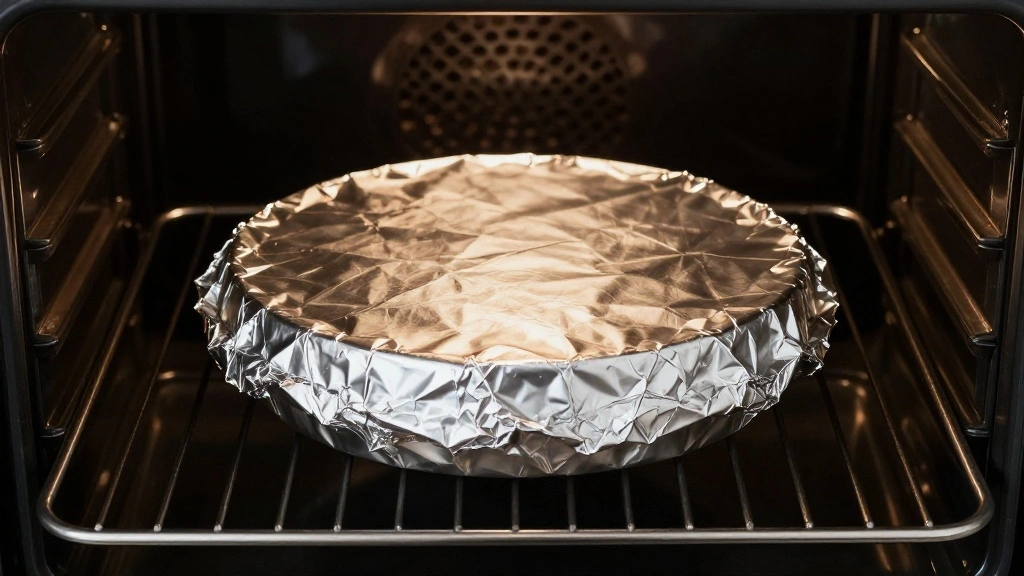
Cover the baking dish with aluminum foil, sealing the edges tightly.
Place in the preheated oven and roast for 40 minutes.
Covering helps steam the vegetables, promoting tenderness.
Check halfway through to ensure even cooking.
Step 7: Uncover and Finish
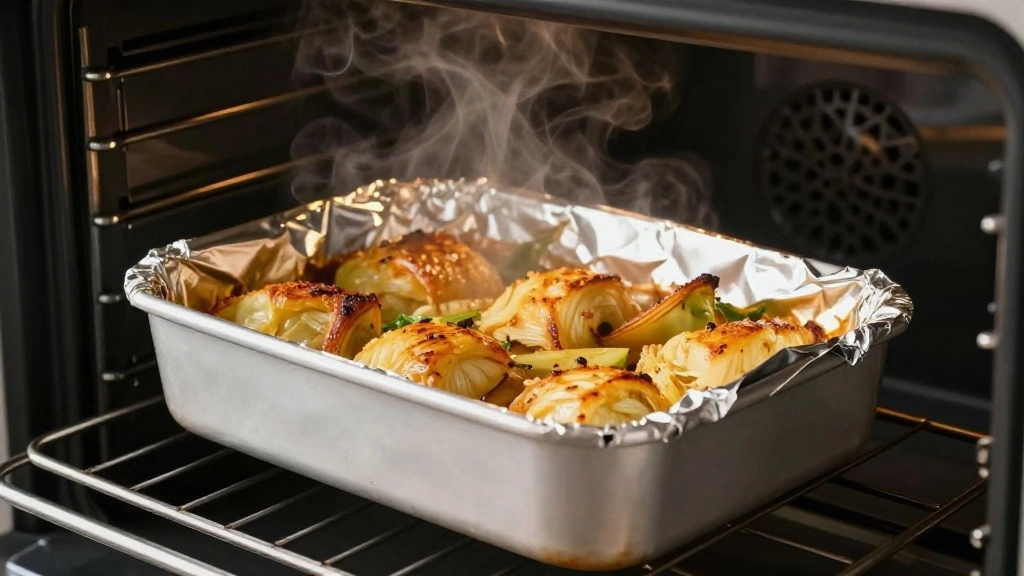
After 40 minutes, remove the foil from the baking dish.
Pour the remaining olive oil over the vegetables.
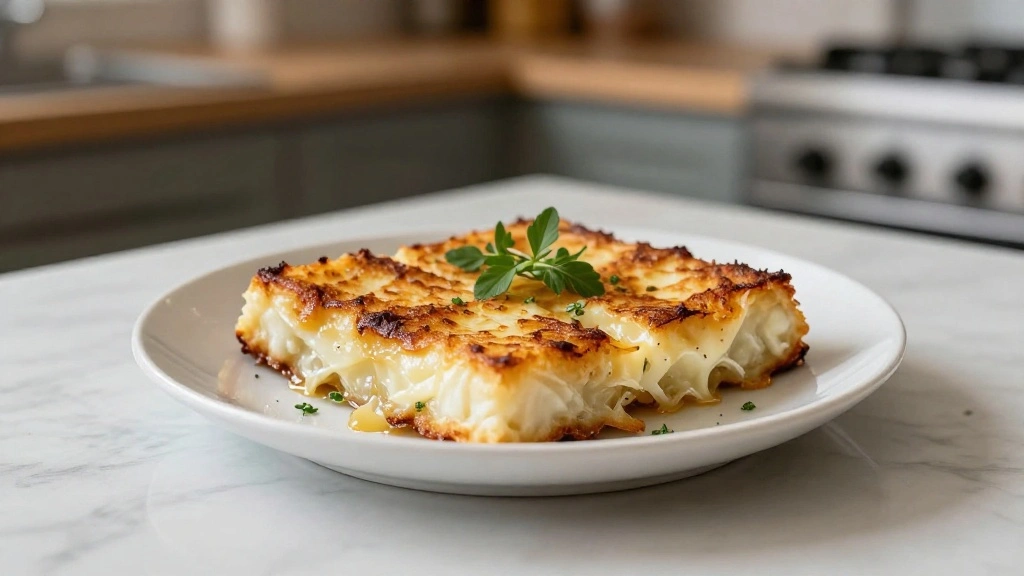
Roast uncovered for an additional 20 minutes until vegetables are golden.
This step enhances caramelization and crispness.
Step 8: Garnish and Serve
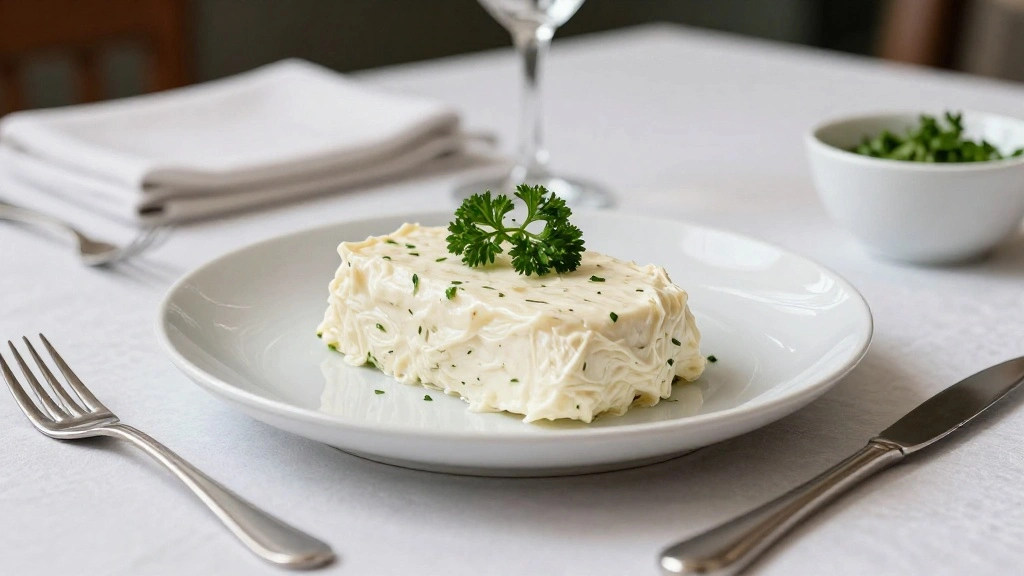
Remove the dish from the oven and let it cool slightly.
Sprinkle chopped parsley over the top for a fresh finish.
Serve directly from the baking dish for a rustic presentation.
Enjoy the harmonious blend of flavors and textures.


Critical Timing and Temperature Guide
Roasting Process: Roast covered for 40 minutes at 375°F, then uncover and roast for an additional 20 minutes. Vegetables should be tender and slightly caramelized. Avoid opening the oven frequently, as it disrupts the cooking temperature.
Oil Infusion: Infuse olive oil with garlic and oregano over low heat for 2 minutes. The oil should be aromatic but not browned. Overheating can cause the garlic to become bitter.
Cooling and Serving: Allow the dish to cool for at least 10 minutes before serving. This resting period helps the flavors meld together. Serving too hot can mask subtle flavors.
Pro Tips for Greek Briam
• Ingredient Selection: Choose fresh, firm vegetables, particularly ripe tomatoes and young zucchini, for the best flavor.
• Preparation Secret: Slice vegetables uniformly to ensure even cooking and avoid overcooked or undercooked layers.
• Temperature Management: Use a consistent oven temperature and preheat for at least 15 minutes for optimal results.
• Texture Enhancement: Allow the dish to rest post-baking, which helps achieve a perfect balance of tender and crisp textures.
• Flavor Layering: Use high-quality olive oil and freshly minced garlic to enhance the aromatic profile of the dish.
• Make-Ahead Strategies: Prepare and layer vegetables in advance, refrigerating overnight, and add the oil and herbs just before baking.
• Restaurant-Quality Finishing Touches: Garnish with fresh parsley and a sprinkle of sea salt for a professional finish.
• Equipment Optimization: Use a mandoline slicer for even vegetable slices, ensuring uniform cooking for a polished final dish.


Troubleshooting Common Issues
• Vegetables Too Soft: This can occur if the dish is baked covered for too long. Remove the foil earlier to allow moisture to escape and achieve the desired texture.
• Flavors Unbalanced: If the dish tastes too oily or bland, adjust the amount of salt and herbs, and ensure even distribution of oil across the layers.
• Uneven Cooking: To prevent this, ensure all vegetables are sliced to the same thickness and the oven is preheated to the correct temperature.
• Dish Too Watery: This may happen if the tomatoes release too much juice. Pat tomatoes dry before layering, and ensure proper roasting time.
• Garnish Wilting: Add fresh parsley just before serving to maintain its vibrant color and flavor. Adding too early can cause it to wilt.
• Burned Edges: Cover the dish loosely with foil if the edges brown too quickly. This helps protect the vegetables from direct heat exposure.


Variations and Regional Differences
• Ionian Style: This version includes bell peppers and a splash of white wine, offering a sweeter and slightly tangier flavor profile.
• Cretan Variation: Incorporates local cheeses like feta, adding creaminess and a salty contrast to the vegetables.
• Spartan Twist: Features a more robust seasoning blend with added cumin and cinnamon for a spicier, warmer taste.
• Athenian Modern: Uses cherry tomatoes and baby potatoes, emphasizing a lighter, more delicate presentation with contemporary appeal.


Food Science Behind the Recipe
• Caramelization: Slow roasting at a moderate temperature allows natural sugars in the vegetables to caramelize, enhancing sweetness and depth of flavor.
• Emulsification: Infusing olive oil with garlic creates an emulsified base that coats the vegetables, promoting even cooking and flavor distribution.
• Maillard Reaction: The Maillard reaction occurs as vegetables brown, contributing to the savory umami notes and complex flavor profile of the dish.
Frequently Asked Questions
What's the most common mistake people make when preparing Greek Briam? Overcrowding the baking dish can lead to uneven cooking. Ensure the vegetables are arranged in a single layer.
Can I make Greek Briam without eggplant? Yes, you can substitute with extra zucchini or bell peppers for a different taste and texture.
Why is my Briam too oily? Use high-quality olive oil sparingly, drizzle evenly, and avoid excessive amounts to maintain balance.
How can I add protein to this dish? Add cooked chickpeas or top with grilled chicken for a heartier meal.
Can I prepare this dish in advance? Yes, layer the vegetables and refrigerate overnight, then add oil and bake when ready.
What type of potatoes work best? Waxy potatoes like Yukon Gold hold their shape better during roasting.
How do I store leftovers? Store in an airtight container in the refrigerator for up to 3 days, and reheat gently in the oven to maintain texture.
Serving and Presentation Guide
• Traditional Presentation: Serve directly from the baking dish, family-style, to emphasize the rustic, communal nature of the dish.
• Individual Portions: For a more refined presentation, plate servings individually with a sprinkle of fresh parsley and a drizzle of olive oil.
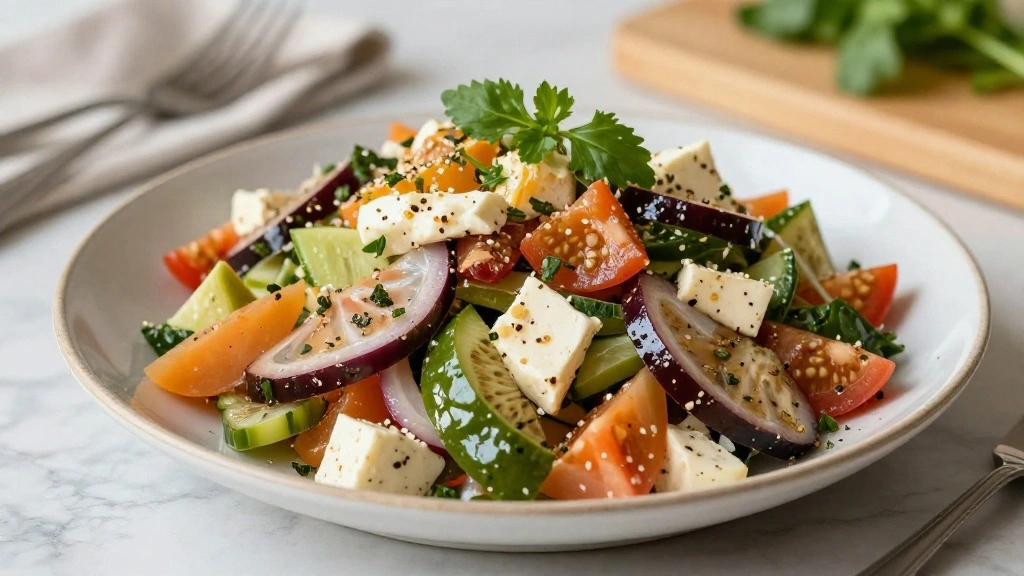
• Accompaniment Suggestions: Pair with a side of crusty bread and a light Greek salad for a complete Mediterranean meal.
• Garnishing Tips: Add a lemon wedge for a bright contrast and an extra layer of flavor.


Conclusion
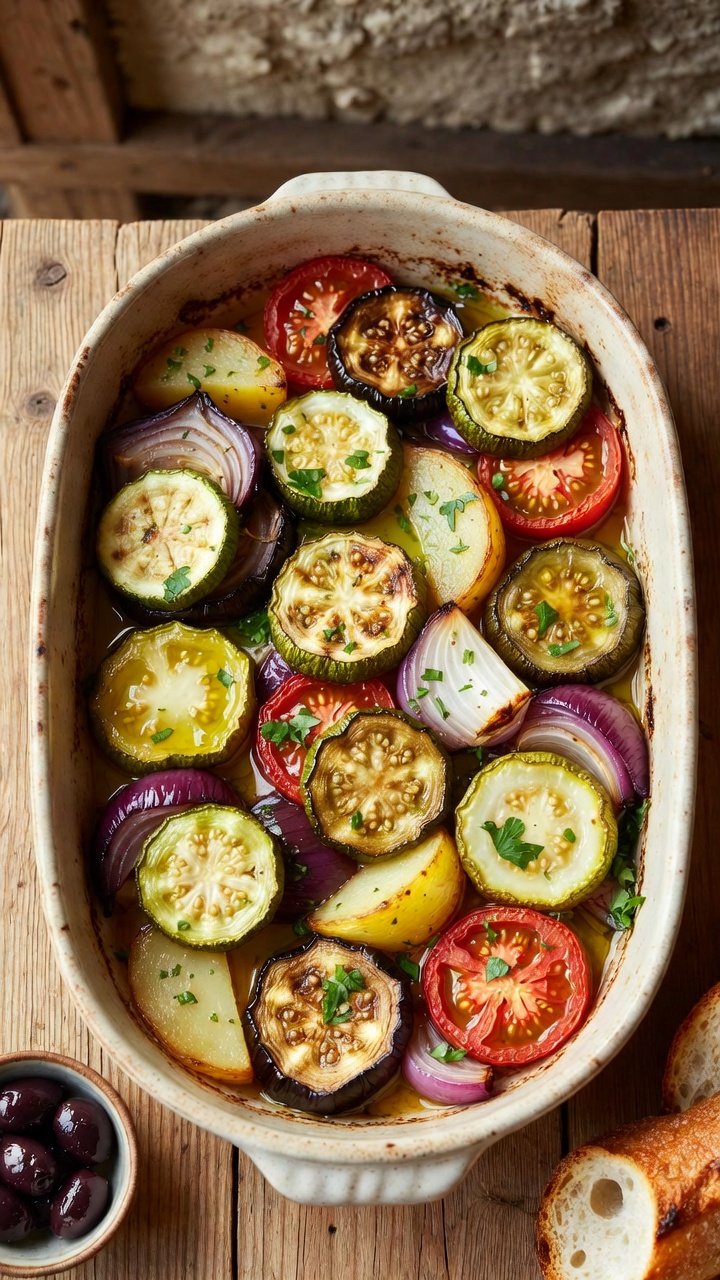
Greek Briam embodies the heart of Mediterranean cuisine, with its vibrant flavors and wholesome ingredients.
As you bring this dish to your table, you're sharing a piece of Greek culinary tradition with your loved ones.
I encourage you to explore the variations and make this recipe your own.
May your kitchen be filled with the delightful aromas of this timeless classic.