
365 Low-Fat Main Dishes — One Recipe for Every Day!
Easy, beginner-friendly, with full nutrition info.
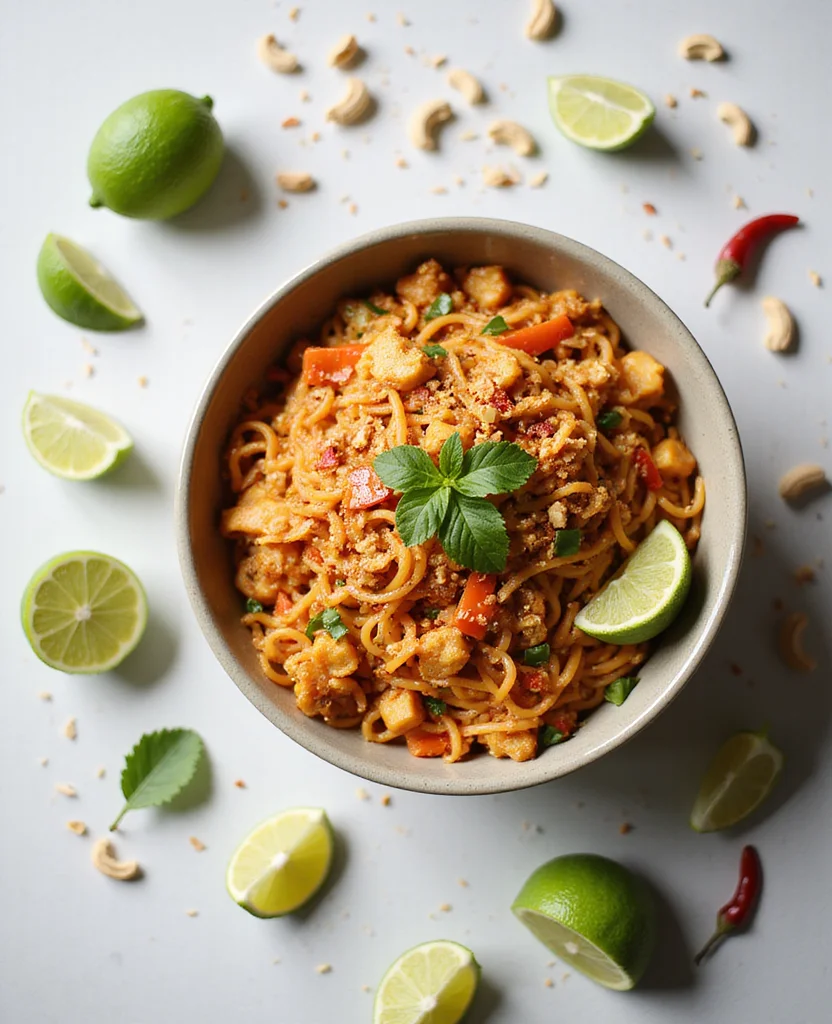
👉 Download Now – Just $2.90!There’s something magical about a warm plate of Pad Thai that transports you to bustling streets and vibrant night markets.
The tangy, sweet, and slightly spicy flavors combine in a way that dances on your palate, offering a perfect balance that’s hard to resist.
My first encounter with Noodles & Company’s Pad Thai was a revelation; it was as close to authentic Thai street food as I could find without a passport.
This copycat recipe captures the soul of that experience, providing enough complexity to satisfy foodies while being approachable for home cooks.
Whether you’re enjoying a quiet night in or entertaining friends, this Pad Thai promises to impress with its rich flavors and delightful textures.
The History and Cultural Significance
• Pad Thai traces its origins to Thailand during the 1930s, where it was popularized by Prime Minister Plaek Phibunsongkhram as a national dish to promote Thai nationalism.
• The dish evolved over decades as it incorporated more local ingredients and adjusted its flavor profile to suit regional tastes, eventually becoming the beloved version we know today.
• In Thai culture, Pad Thai is commonly served at festivals and family gatherings, symbolizing unity and harmony through its blend of diverse ingredients.
• While many variations exist across different regions, the authentic version maintains the distinct balance of sweet, sour, and salty flavors that sets it apart from imitations.



Recipe Overview
Nutritional Information (per serving)
Essential Equipment Guide
Wok: A traditional wok is crucial for achieving the authentic stir-fry technique that gives Pad Thai its signature texture. Alternatives like a large frying pan can work, but ensure it’s heavy-bottomed for even heat distribution.
Rice Cooker: While not mandatory, a rice cooker can simplify the process of preparing perfect rice noodles by controlling temperature and moisture levels precisely.
Mortar and Pestle: This tool is essential for grinding peanuts and mixing spices, allowing for better flavor integration. A food processor can be used as an alternative, though it may not capture the same rustic texture.


Ingredients
For the Base
|
| Amount | Ingredient | Notes |
|---|---|---|
| 8 oz | rice noodles | soaked in warm water until soft |
| 2 tbsp | vegetable oil | for stir-frying |
For the Sauce
| Amount | Ingredient | Notes |
|---|---|---|
| 3 tbsp | fish sauce | adds umami flavor |
| 1 tbsp | soy sauce | for depth |
| 1 tbsp | tamarind paste | for tanginess |
| 2 tbsp | palm sugar | for sweetness |
Vegetables
| Amount | Ingredient | Notes |
|---|---|---|
| 1 cup | bean sprouts | fresh and crunchy |
| 1 medium | carrot | julienned for texture |
Seasonings
| Amount | Ingredient | Notes |
|---|---|---|
| 2 cloves | garlic | minced for aroma |
| 1 tsp | red pepper flakes | adjust for spice |
Garnish
| Amount | Ingredient | Notes |
|---|---|---|
| 1 lime | cut into wedges | for serving |
| 1/4 cup | crushed peanuts | for topping |


Preparation Methods
Soaking Noodles: Properly soaking the rice noodles is crucial to prevent them from becoming mushy during cooking. Use warm water and soak until just pliable, then drain thoroughly.
Tamarind Paste Preparation: Tamarind paste should be smooth and free of seeds. If using a block, soak it in hot water and strain to create a smooth paste.
Stir-Frying: High heat is essential for stir-frying. Ensure your wok is preheated and ingredients are added in quick succession to maintain the heat and achieve a slight char.


Step 1: Prepare Ingredients
Gather all ingredients and lay them out on your workspace.
Ensure rice noodles are soaked until pliable and drained.
Chop and measure vegetables and seasonings as required.
Set aside garnishes for final plating.


Step 2: Mix the Sauce
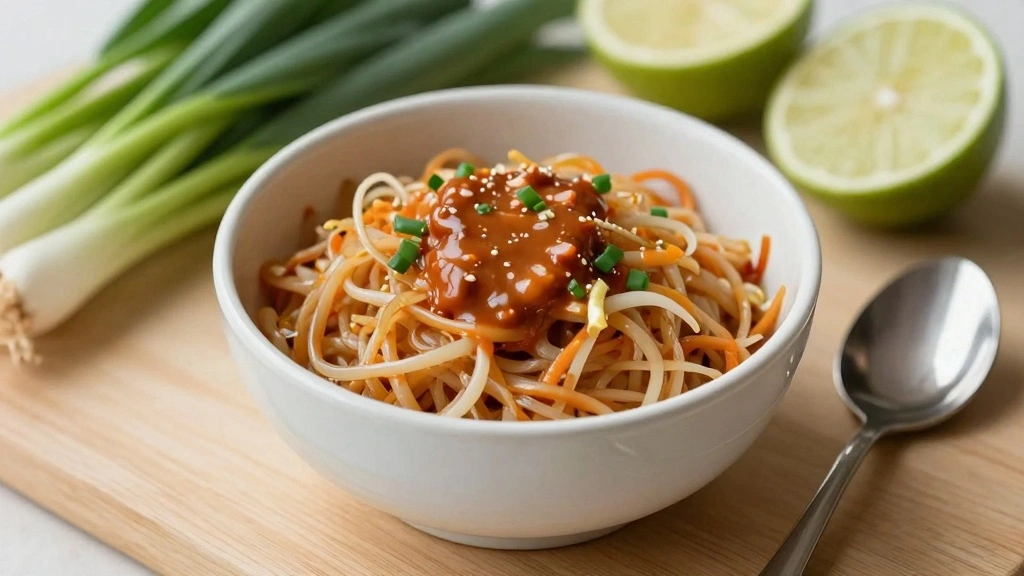
In a small bowl, combine fish sauce, soy sauce, tamarind paste, and palm sugar.
Stir until the sugar is fully dissolved.
Taste and adjust the balance if necessary, aiming for a blend of sweet, sour, and salty.
Set aside for use in the stir-frying process.




Step 3: Heat the Wok
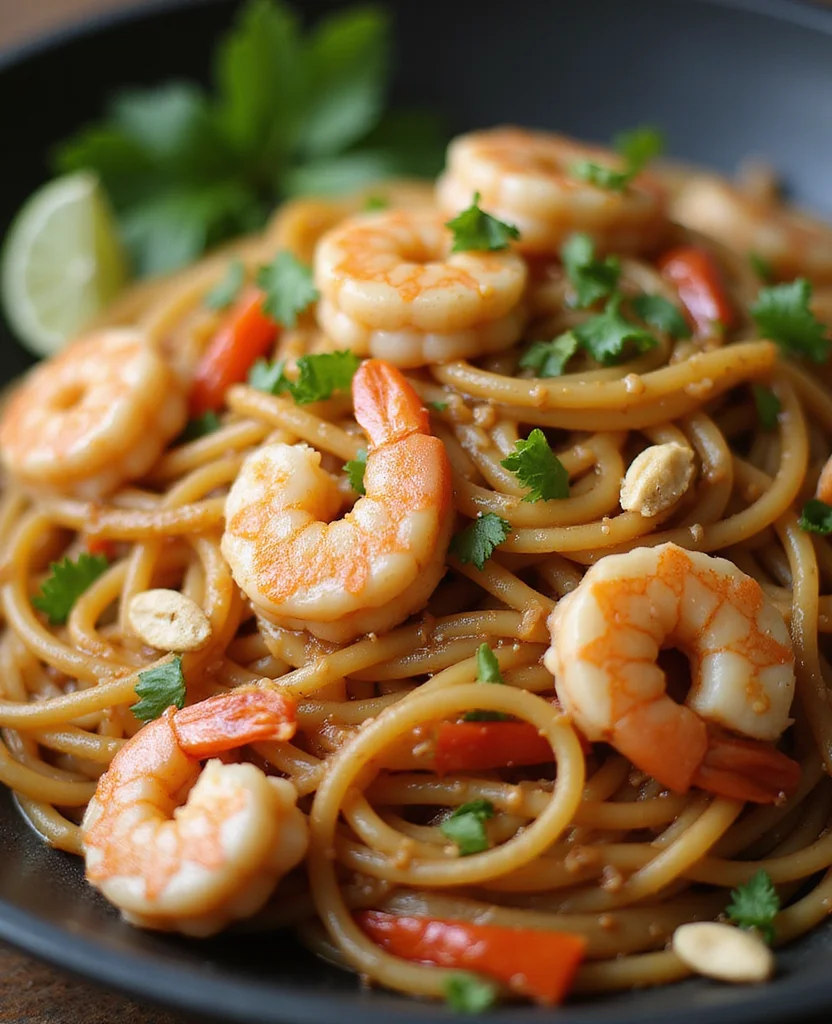
Place the wok over high heat and let it heat up until very hot.
Add the vegetable oil and swirl to coat the surface.
Watch for a slight shimmer in the oil, indicating it's ready for stir-frying.
Avoid adding ingredients too early to prevent sticking.
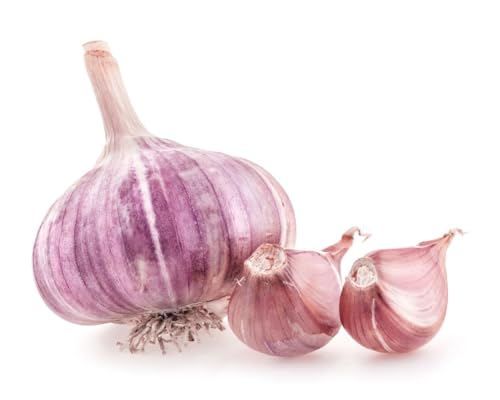
Step 4: Cook the Garlic
Add minced garlic to the hot oil and stir quickly.
Cook until fragrant but not brown, about 30 seconds.
Ensure constant movement to prevent burning.
Prepare to add the next ingredients promptly.



Step 5: Stir-Fry the Noodles
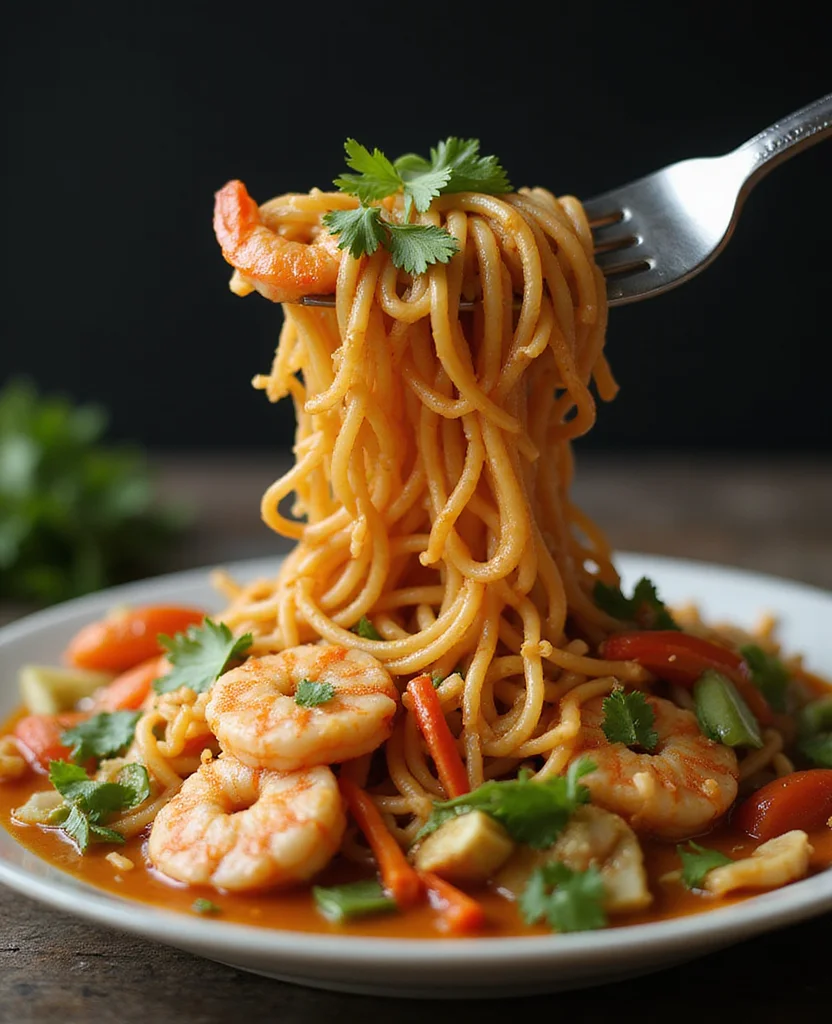
Add the soaked and drained rice noodles to the wok.
Toss quickly to coat them with the garlic and oil.
Ensure even distribution and break up any clumps.
Prepare to add the sauce immediately.




Step 6: Add the Sauce and Mix
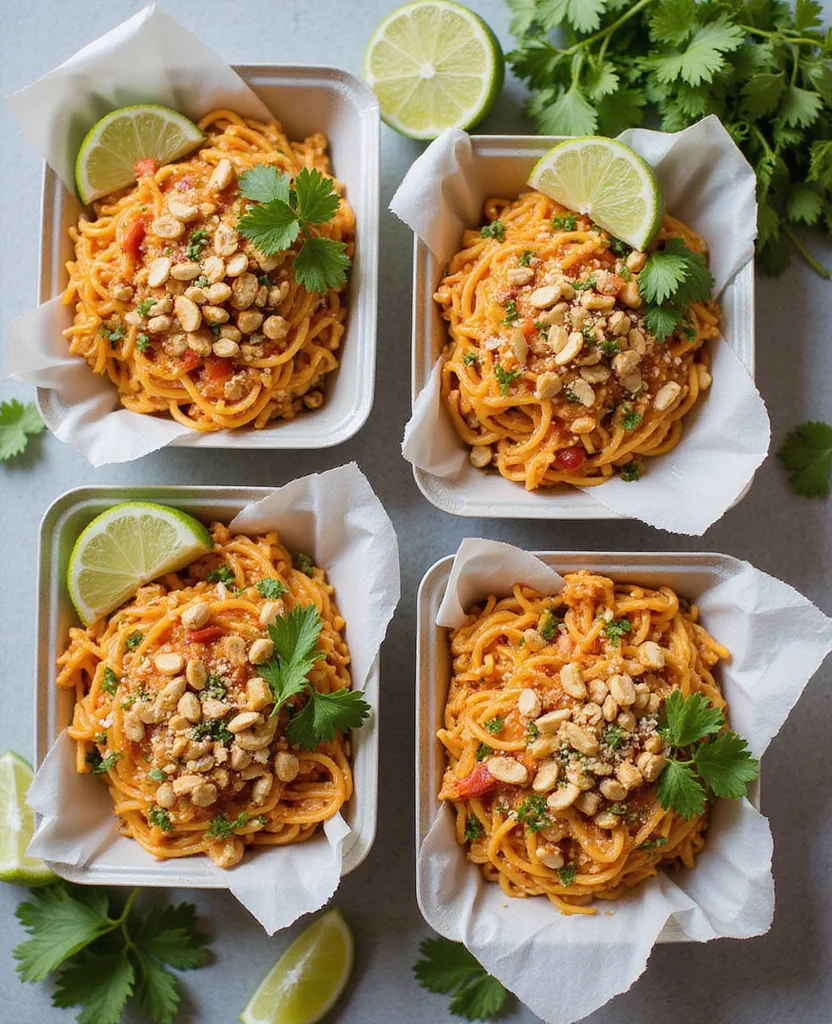
Pour the prepared sauce over the noodles.
Toss the noodles to ensure they are evenly coated.
Cook until most of the sauce is absorbed and noodles are glossy.
Taste and adjust seasoning if necessary.


Step 7: Incorporate Vegetables
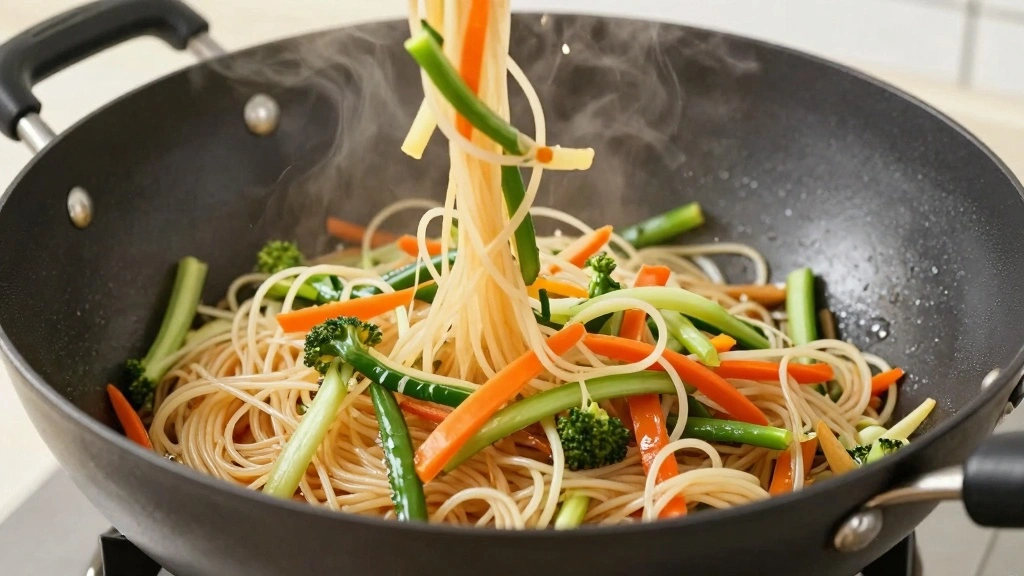
Add the bean sprouts and julienned carrots to the wok.
Stir-fry briefly to combine with the noodles.
Cook until vegetables are slightly tender but still crisp.
Ensure even distribution throughout the dish.
Step 8: Plate and Garnish

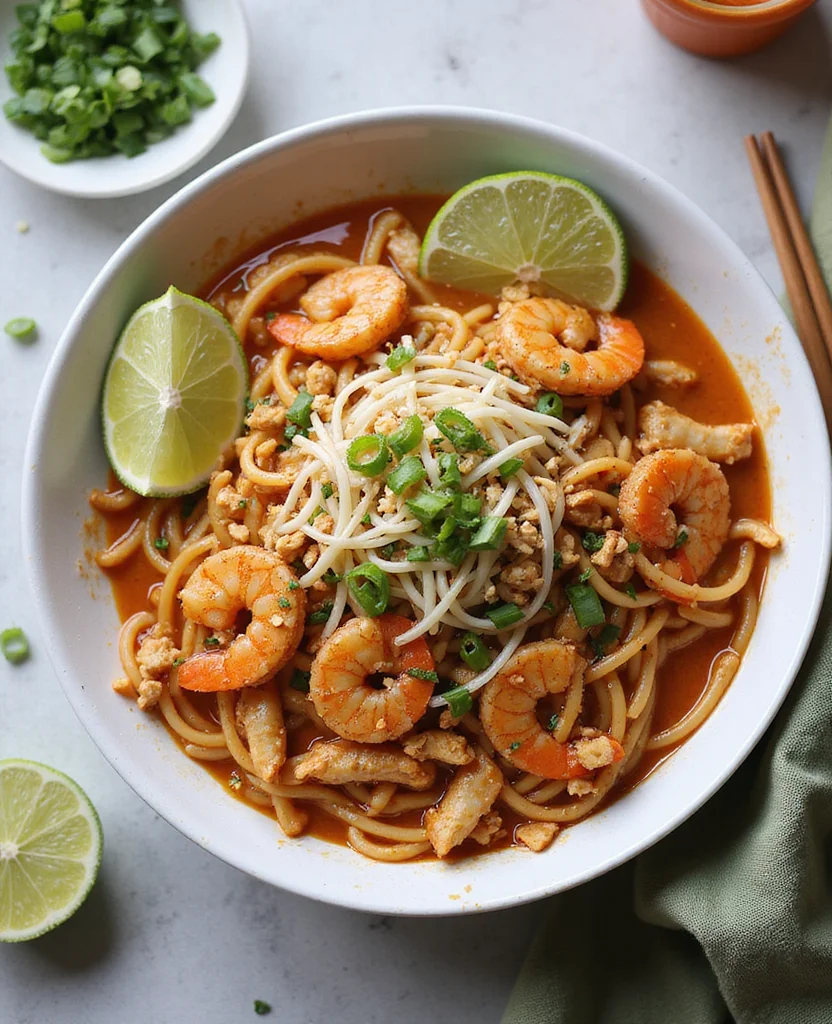
Transfer the cooked Pad Thai to serving plates.
Garnish with crushed peanuts and lime wedges.
Sprinkle additional red pepper flakes if desired.
Serve immediately while hot.
Critical Timing and Temperature Guide
Soaking Noodles: Soak for 10-15 minutes in warm water until just pliable. Over-soaking leads to mushy noodles.
Cooking Time: Stir-frying should be performed quickly over high heat, taking about 5-7 minutes in total. Avoid letting ingredients sit too long, which can cause steaming instead of frying.
Sauce Reduction: Allow the sauce to reduce until it clings to the noodles, about 2-3 minutes. If it reduces too quickly, add a splash of water.
Pro Tips for Noodles & Company
• Ingredient Selection: Choose fresh bean sprouts and high-quality tamarind paste for the best flavor impact.
• Preparation Secret: Briefly dry-fry peanuts before crushing for enhanced flavor and aroma.
• Temperature Management: Keep your wok on high heat throughout the cooking process to ensure proper stir-frying.
• Texture Enhancement: Toss noodles vigorously to ensure even sauce coverage and avoid clumping.
• Flavor Layering: Add a dash of lime juice at the end to brighten the dish and highlight the complexity of flavors.
• Make-Ahead Strategies: Prepare the sauce in advance and store in the fridge for up to two days.
• Restaurant-Quality Finishing Touches: Garnish with extra lime wedges and a sprinkle of fresh cilantro for added color and freshness.
• Equipment Optimization: If using a frying pan, ensure it's thoroughly preheated to mimic wok cooking conditions.
Troubleshooting Common Issues
• Noodles Sticking: Often caused by insufficient oil or low cooking temperature. Ensure the wok is hot and well-oiled before adding noodles.
• Flavors Unbalanced: If too salty or too sweet, adjust with lime juice or a pinch of sugar. Taste frequently during cooking.
• Vegetables Overcooked: Add vegetables towards the end of cooking and stir-fry briefly to maintain their crunch.
• Noodles Mushy: Likely from over-soaking or overcooking. Check noodle texture before adding to the wok.
• Sauce Too Thin: Allow more time for reduction, or add a bit more sugar to thicken as it cooks.
• Lack of Heat: Ensure the wok is preheated and use high heat throughout the stir-fry process for authentic results.
Variations and Regional Differences
• Bangkok Style: Features a sweeter sauce and often includes small dried shrimp for additional umami.
• Chiang Mai Variation: Incorporates a spicier profile with more red pepper flakes and sometimes uses local herbs.
• Vegetarian Version: Omits fish sauce and replaces it with soy sauce or mushroom sauce, and often includes tofu.
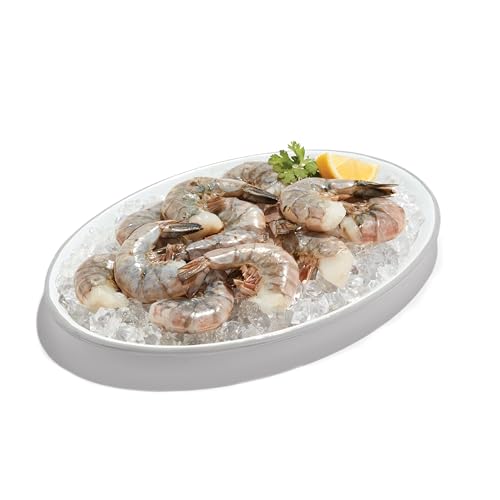
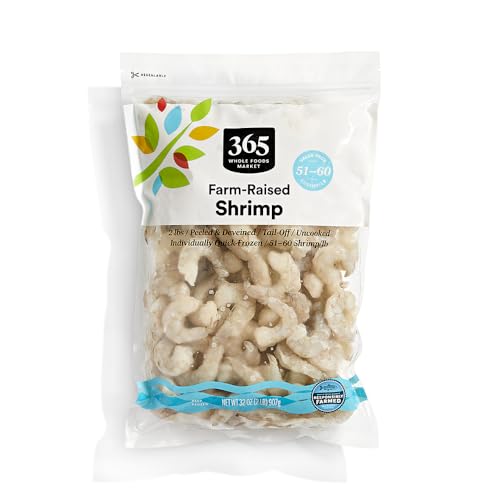
• Seafood Pad Thai: Common in coastal regions, includes prawns, squid, or fish, enhancing the dish with fresh seafood flavors.



Food Science Behind the Recipe
• Maillard Reaction: Occurs during stir-frying, creating the complex flavors and browned appearance of the dish.
• Emulsification: The combination of tamarind paste and oils creates a stable emulsion in the sauce, coating the noodles evenly.
• Noodle Hydration: Proper soaking technique hydrates rice noodles to the ideal texture, preventing them from becoming mushy or too firm.
Frequently Asked Questions
What's the most common mistake people make when preparing Pad Thai? Over-soaking the noodles, leading to a mushy texture once cooked.
Can I make Pad Thai without fish sauce? Yes, substitute with soy sauce or mushroom sauce for a vegetarian version.
How can I make my Pad Thai spicier? Increase the amount of red pepper flakes or add fresh chili slices.
Is it possible to use other types of noodles? While rice noodles are traditional, you can experiment with other types, though the texture may differ.
Can I prepare Pad Thai in advance? It's best enjoyed fresh, but you can prepare the sauce and chop vegetables ahead of time.
What proteins work well in Pad Thai? Chicken, shrimp, tofu, and even pork are popular choices.
How do I prevent my Pad Thai from being too dry? Ensure the noodles are properly soaked and the sauce is thoroughly mixed in.
What's a good side dish to serve with Pad Thai? A light cucumber salad or Thai spring rolls complement the dish well.
Serving and Presentation Guide
• Traditional Presentation: Serve on a large platter with lime wedges and extra crushed peanuts on the side, allowing guests to add as they please.
• Family-Style Serving: Present in a large bowl in the center of the table, encouraging communal sharing.
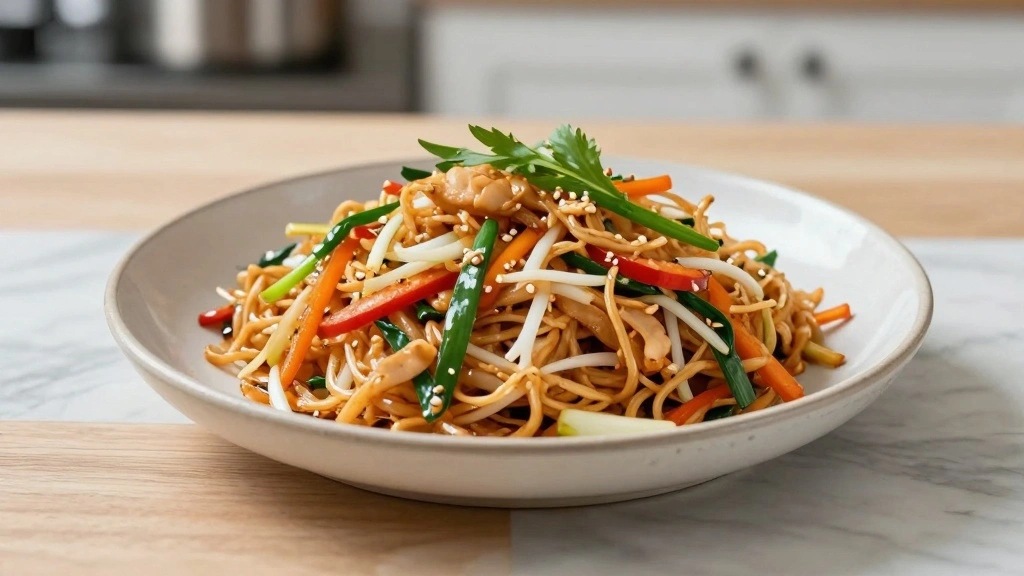
• Elegant Plating: Form a nest of noodles in the center of a plate, topped with a few sprigs of cilantro and a lime wedge.
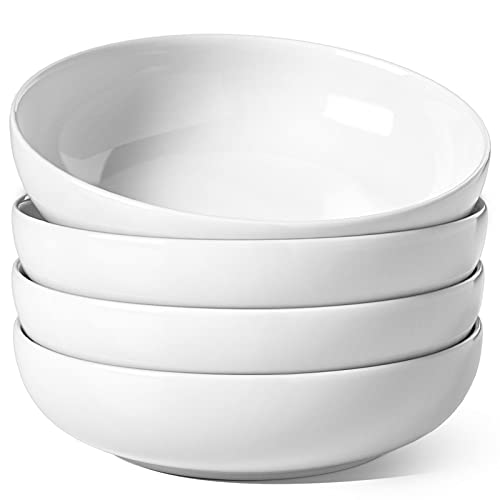
• Single-Serving Bowls: For portion control, serve in individual bowls with garnishes pre-added for convenience.



Conclusion

With this Noodles & Company Pad Thai copycat recipe, you can bring the vibrant flavors of Thailand right to your kitchen.
The balance of sweet, sour, and salty ensures a delightful culinary experience with every bite.
So gather your ingredients, heat up your wok, and embark on a flavorful journey that promises to impress both family and friends.