
365 Low-Fat Main Dishes — One Recipe for Every Day!
Easy, beginner-friendly, with full nutrition info.
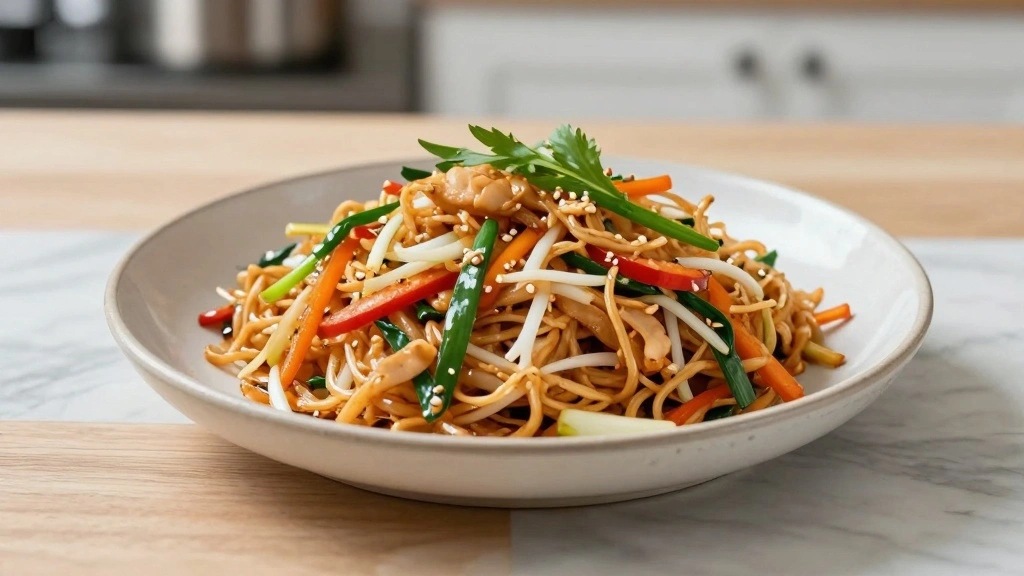
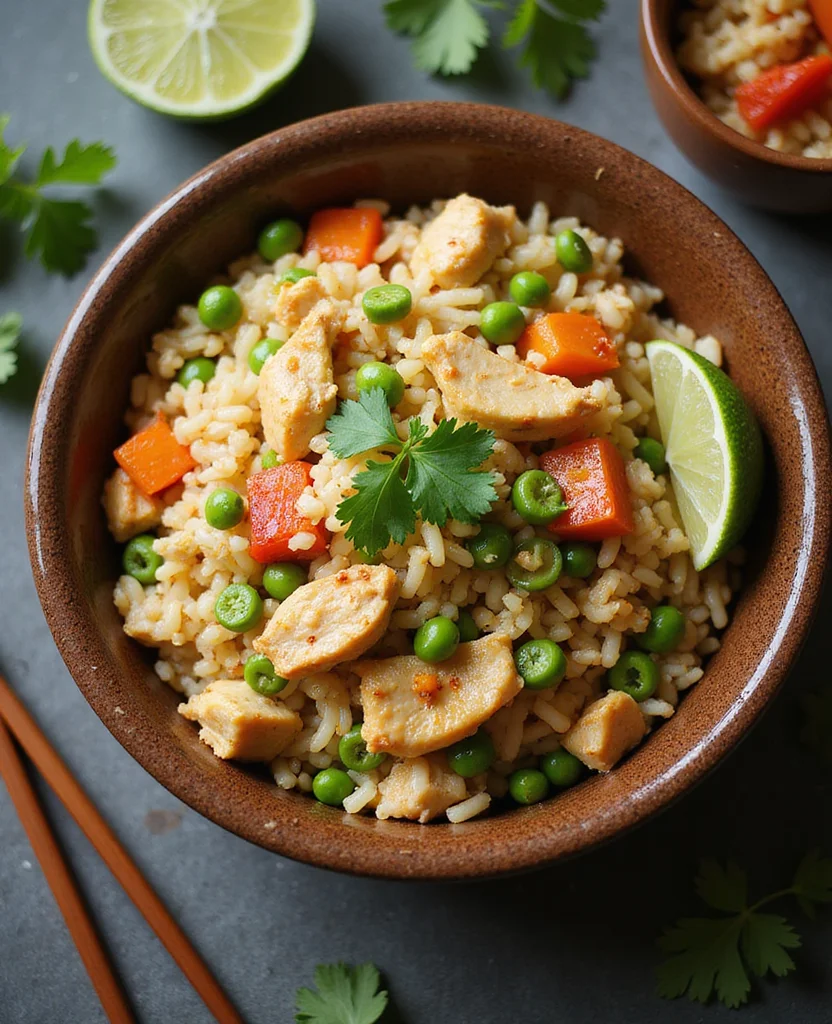
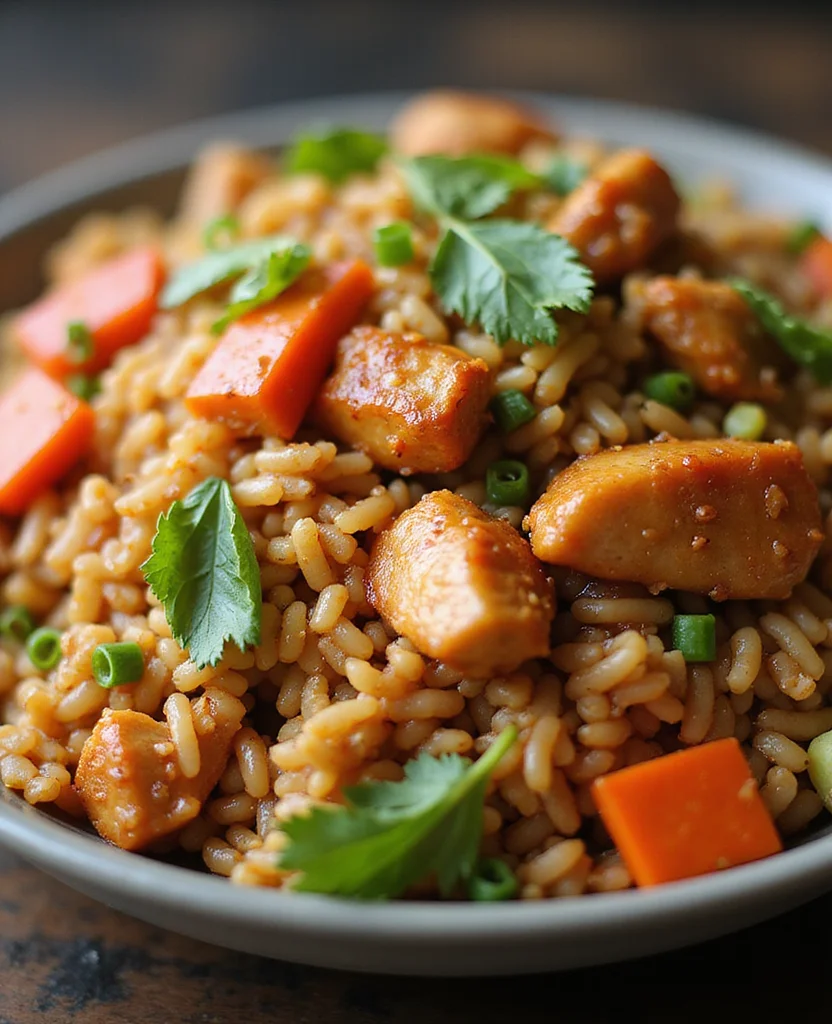
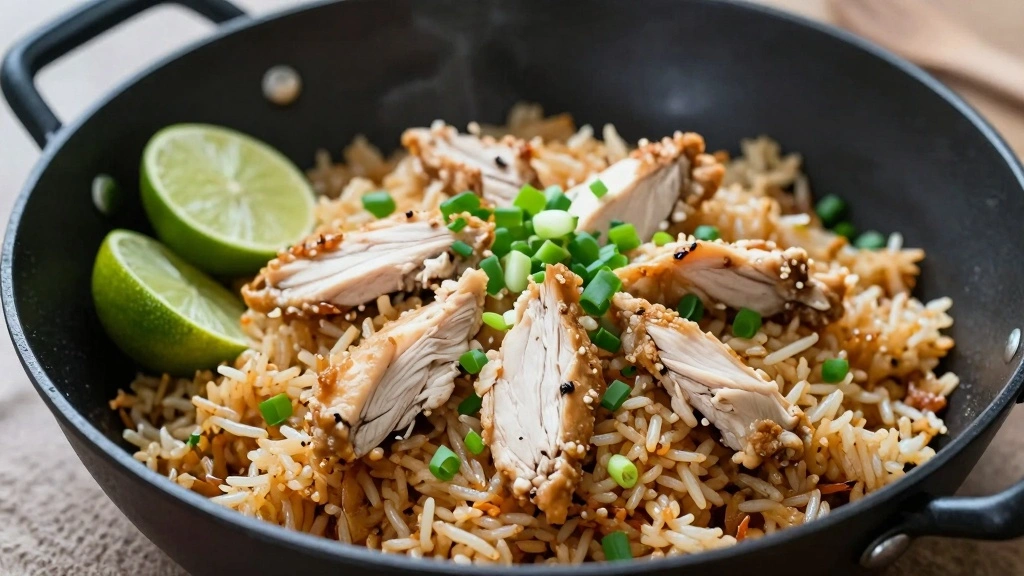
👉 Download Now – Just $2.90!The vibrant flavors of Thai Chicken Fried Rice bring a taste of Thailand to your table in just 15 minutes.
Infused with aromatic spices and fresh ingredients, this dish is a delightful blend of savory and slightly sweet notes.
I first encountered this recipe during a culinary journey through Bangkok, where each bite was a symphony of flavors and textures.
Whether you crave a quick weeknight meal or a dish to impress guests, this recipe delivers on all fronts.
The ease of preparation makes it perfect for busy schedules without compromising on taste.
The History and Cultural Significance
• Thai Chicken Fried Rice traces its origins to Thailand, where it was originally created as a quick and flavorful meal.
• The dish evolved over decades as local spices and herbs were incorporated, eventually becoming the beloved version we know today.
• In Thai culture, this dish traditionally appears at family gatherings and celebrations, symbolizing warmth and hospitality.
• While many variations exist across different regions, the authentic version maintains a balance of sweet and savory flavors that sets it apart from imitations.




Recipe Overview
Nutritional Information (per serving)


Essential Equipment Guide
Wok: A wok is essential for achieving the high heat needed for authentic fried rice. Its shape allows for even cooking and easy tossing of ingredients. A large skillet can be a substitute if a wok isn’t available, but ensure it can withstand high temperatures.
Spatula: Use a wooden or bamboo spatula to handle the ingredients gently without scratching the wok. Look for one with a long handle for safe maneuvering over high heat.
Rice Cooker: While not necessary for the fried rice itself, a rice cooker ensures perfectly cooked rice, which is crucial for the texture of the dish. Alternatively, use a pot with a tight-fitting lid for stovetop rice cooking.


Ingredients
For the Base
|
| Amount | Ingredient | Notes |
|---|---|---|
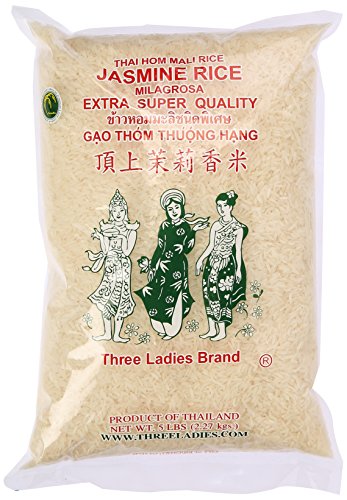
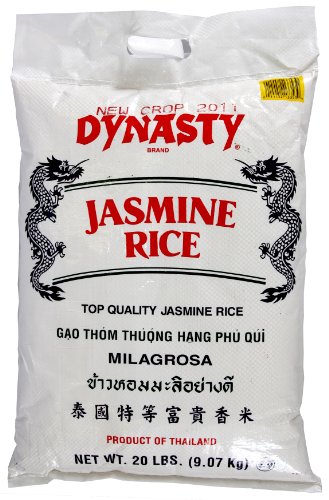
| 2 cups | cooked jasmine rice | preferably day-old for best texture |
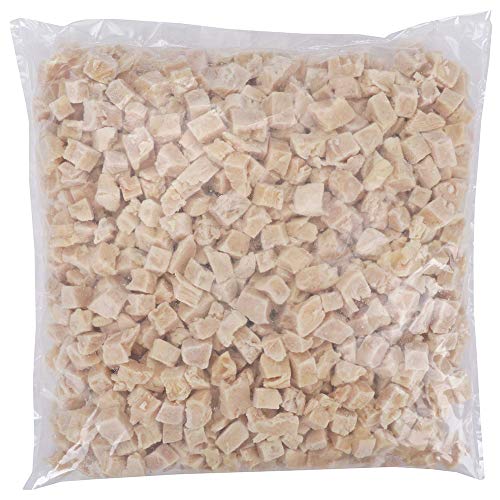
| 1 pound | chicken breast | sliced into thin strips |
Vegetables
| Amount | Ingredient | Notes |
|---|---|---|
| 1 cup | frozen peas and carrots | thawed |
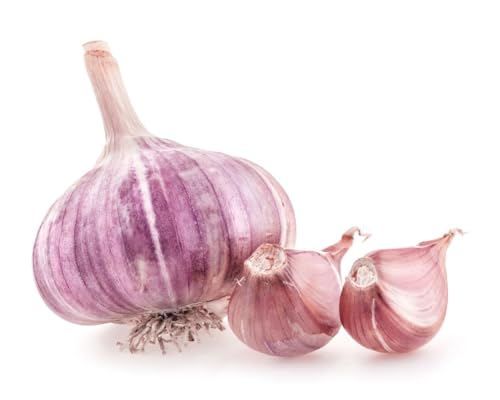
| 3 cloves | garlic | minced |
Seasonings
| Amount | Ingredient | Notes |
|---|---|---|
| 2 tablespoons | soy sauce | for savory depth |
| 1 tablespoon | fish sauce | adds umami |
| 1 teaspoon | sugar | balances flavors |
| 1 tablespoon | vegetable oil | for cooking |
| 1 teaspoon | sesame oil | for finishing touch |


Preparation Methods
Fluffing Rice: Use a fork to gently fluff the cooked rice, breaking up clumps. This ensures that the rice grains are separate and easy to stir-fry, preventing a mushy texture.
Marinating Chicken: Marinate the chicken slices in a mixture of soy sauce, fish sauce, and a pinch of sugar for at least 10 minutes. This infuses the chicken with flavor and keeps it tender during cooking.
High-Heat Stir-Frying: The key to authentic fried rice is stir-frying over high heat. This technique sears the ingredients, creating a slight char and enhancing the flavor profile. Work quickly to prevent burning.


Step 1: Prepare Ingredients
Gather all ingredients and equipment.
Slice the chicken breast into thin strips.
Ensure the rice is cooked and cooled, ideally overnight.
Thaw the peas and carrots and mince the garlic.



Step 2: Marinate Chicken
Combine soy sauce and fish sauce in a bowl.
Add the chicken strips and a pinch of sugar to the marinade.
Let the chicken marinate for at least 10 minutes.
Stir occasionally to ensure even coating.




Step 3: Heat Wok
Place the wok over high heat.
Add vegetable oil and swirl to coat the base.
Wait until the oil is shimmering before adding ingredients.
This ensures ingredients sear rather than steam.


Step 4: Cook Chicken
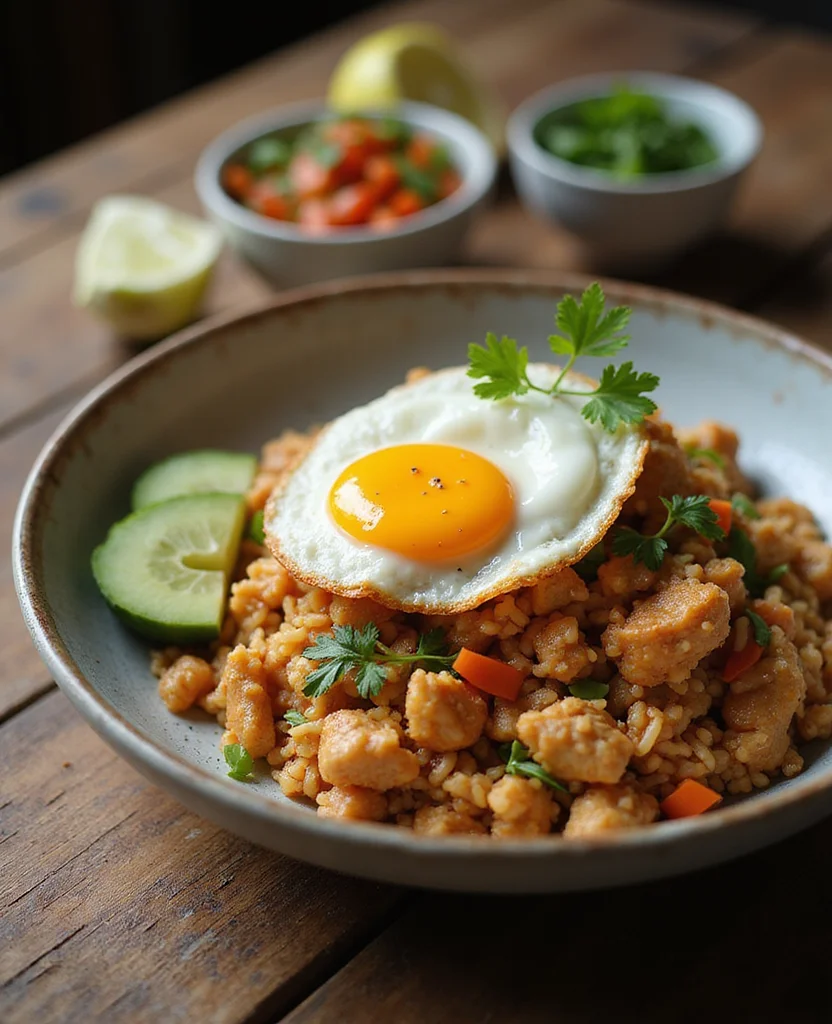
Add the marinated chicken to the hot wok.
Stir-fry quickly, keeping the chicken moving.
Cook until the chicken is browned and cooked through.
Remove chicken from the wok and set aside.
Step 5: Stir-Fry Vegetables
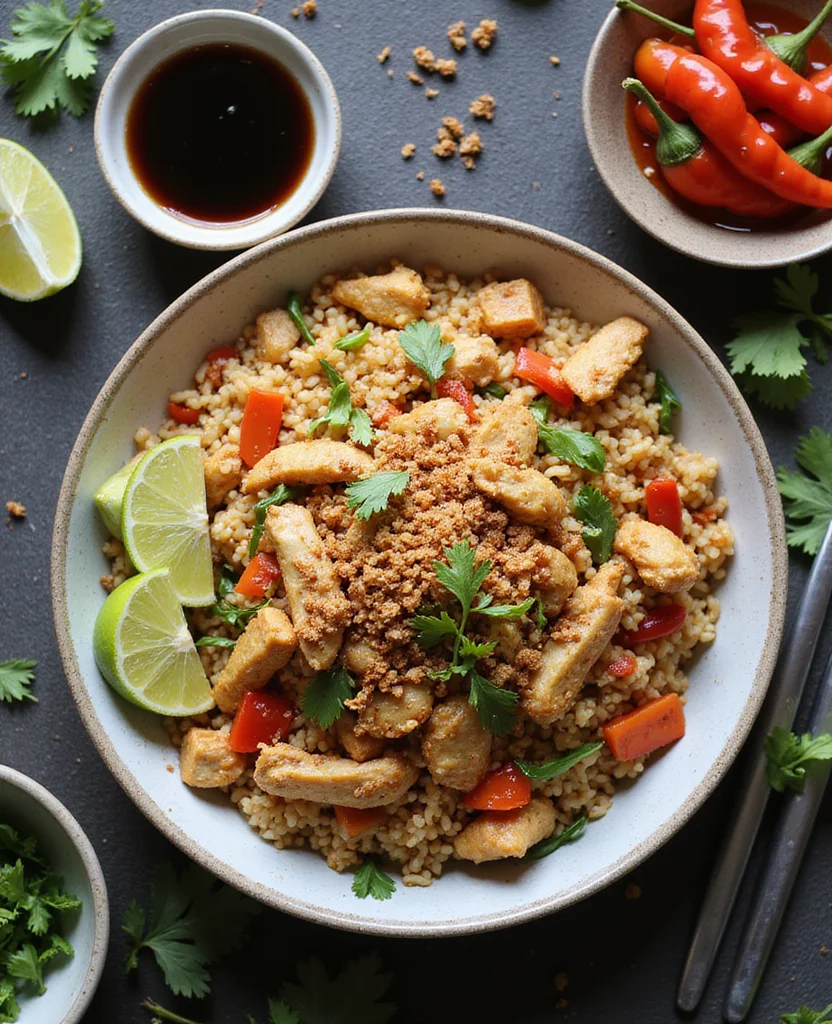
Add minced garlic to the wok and sauté briefly.
Add the thawed peas and carrots to the wok.
Stir-fry the vegetables until they are tender.
Ensure they remain slightly crisp for texture.
Step 6: Add Rice
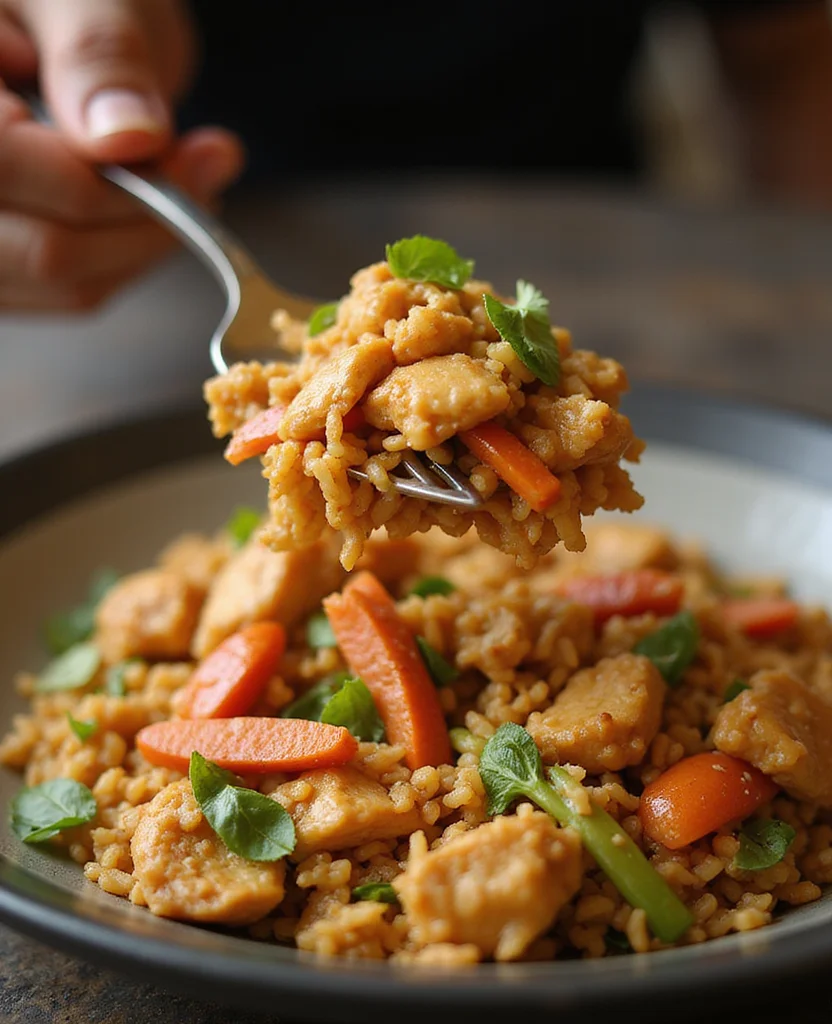
Add the cooled jasmine rice to the wok.
Break up any clumps with the spatula.
Stir continuously to heat the rice evenly.
Ensure the rice is coated with the oil and vegetable mixture.
Step 7: Combine Ingredients
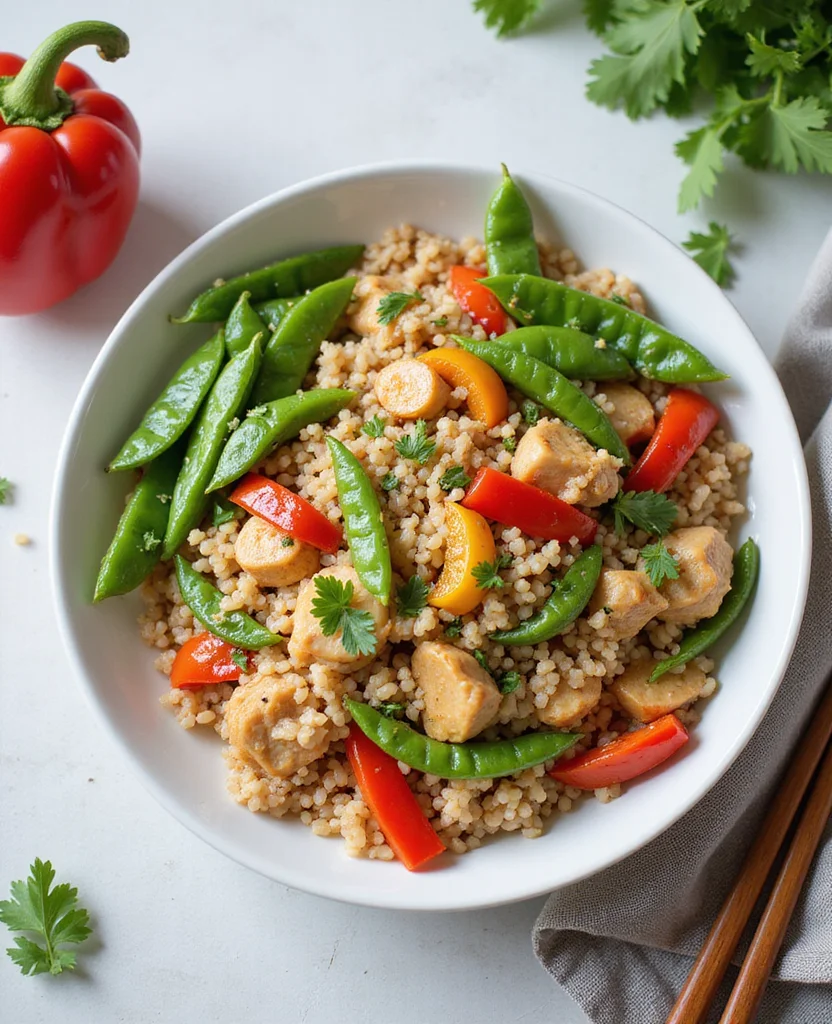
Return the cooked chicken to the wok.
Drizzle with soy sauce and fish sauce.
Stir all ingredients together until well combined.
Ensure the chicken and rice are evenly distributed.
Step 8: Finish and Serve
Drizzle with sesame oil for aroma.
Give the mixture a final stir to incorporate.
Taste and adjust seasoning if necessary.
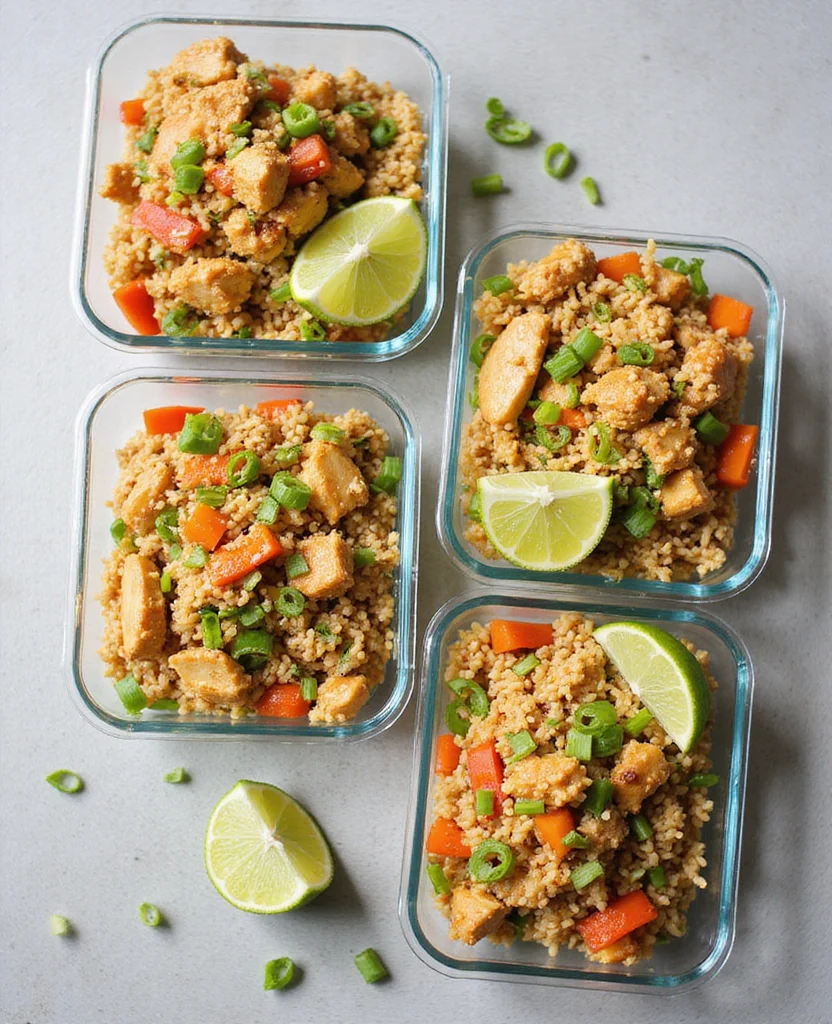
Serve hot with optional garnishes like green onions or lime wedges.
Critical Timing and Temperature Guide
Cooking Chicken: Cook the chicken for about 5 minutes over high heat until browned and cooked through. Look for a slight char for flavor depth. Avoid overcrowding to prevent steaming.
Stir-Frying Vegetables: Stir-fry the vegetables for about 3 minutes. They should be tender yet crisp. Avoid overcooking to retain texture and color.
Rice Incorporation: Heat the rice for 2-3 minutes, breaking up clumps. Watch for even heating without burning. Use a spatula to frequently turn the rice.
Pro Tips for Thai Chicken Fried
• Ingredient Selection: Opt for high-quality jasmine rice and fresh chicken for the best results. The aroma and texture of jasmine rice are crucial for authenticity.
• Preparation Secret: Use day-old rice for the best texture. Freshly cooked rice can be too moist, leading to clumping.
• Temperature Management: Ensure the wok is hot before adding ingredients. A high temperature prevents ingredients from sticking and enhances flavor.
• Texture Enhancement: Keep ingredients moving in the wok to achieve a crisp texture. This technique prevents sogginess.
• Flavor Layering: Marinate the chicken to infuse flavor. The combination of soy sauce and fish sauce creates a depth of flavor characteristic of Thai cuisine.
• Make-Ahead Strategies: Cook and cool the rice in advance. Store it in the refrigerator to dry out slightly, which helps achieve the best texture during stir-frying.
• Restaurant-Quality Finishing Touches: Garnish with fresh herbs like cilantro or green onions for a burst of flavor and color.
• Equipment Optimization: Use a well-seasoned wok if available. It improves the non-stick properties and flavor profile of the dish.




Troubleshooting Common Issues
• Rice Too Sticky: This often results from using freshly cooked rice. Ensure rice is cooked and cooled, ideally overnight, to prevent clumping.
• Lack of Flavor: Ensure proper marination of the chicken and use the right proportion of soy sauce and fish sauce. Adjust seasoning as needed.
• Overcooked Vegetables: Stir-fry vegetables quickly over high heat to maintain crispness. Avoid letting them sit in the wok for too long.
• Chicken Too Dry: This can occur if the chicken is overcooked or not marinated properly. Ensure quick stir-frying and adequate marination.
• Uneven Rice Heating: Break up clumps and stir frequently to ensure even heating. Use a spatula to keep the rice moving in the wok.
Variations and Regional Differences
• Southern Thai Style: This version often includes turmeric and coconut milk, giving the dish a distinct yellow hue and creamy texture.
• Northern Thai Variation: Incorporates spicy elements like chili paste and Thai basil for a more pungent flavor profile.
• Vegetarian Version: Substitute chicken with tofu or additional vegetables like bell peppers and broccoli for a meat-free option.
• Street Food Style: Often includes a fried egg on top, providing richness and an additional layer of flavor.




Food Science Behind the Recipe
• Maillard Reaction: This chemical reaction occurs when the chicken is seared, creating complex flavors and aromas. Understanding this helps achieve a deep, savory taste.
• Starch Retrogradation: Cooling the rice after cooking allows the starches to firm up, providing the perfect texture for stir-frying.
• Emulsion in Marinades: Combining soy sauce and fish sauce with a bit of sugar helps create a balanced marinade that enhances the chicken's flavor profile.



Frequently Asked Questions
What's the most common mistake people make when preparing Thai Chicken Fried Rice? The most common mistake is using freshly cooked rice, which can result in a sticky, clumpy dish.
Can I use brown rice instead of jasmine rice? Yes, but it will alter the texture and flavor slightly. Ensure the brown rice is cooked and cooled before use.
How do I make the dish less salty? Reduce the amount of soy sauce and fish sauce. You can substitute with a low-sodium version if available.
What can I substitute for fish sauce? Soy sauce or tamari can be used as a substitute, though it will change the flavor profile slightly.
Is there a way to add more vegetables? Yes, feel free to add vegetables like bell peppers, snap peas, or bok choy for added nutrition and flavor.
How do I store leftovers? Store in an airtight container in the refrigerator for up to 2 days. Reheat in a wok or microwave before serving.
Can I make this dish vegan? Substitute chicken with tofu and omit fish sauce, using additional soy sauce for a vegan-friendly option.
Serving and Presentation Guide
• Traditional Presentation: Serve in a deep bowl garnished with fresh cilantro and lime wedges for traditional Thai presentation.
• Modern Plating: Use a ring mold to shape the rice into a neat round on a plate, topped with finely sliced green onions.
• Family-Style Serving: Present in a large serving dish in the center of the table, allowing guests to serve themselves.
• Individual Portions: Serve in small bowls for individual servings, ideal for casual dining or buffet-style meals.



Conclusion
Thai Chicken Fried Rice is a culinary delight that brings the essence of Thailand to your home kitchen.
With its quick preparation and vibrant flavors, it's a perfect dish for any occasion.
I encourage you to try this recipe and experience the magic of Thai cuisine firsthand.
Enjoy the harmony of taste and texture that makes this dish a favorite worldwide.