
365 Low-Fat Main Dishes — One Recipe for Every Day!
Easy, beginner-friendly, with full nutrition info.
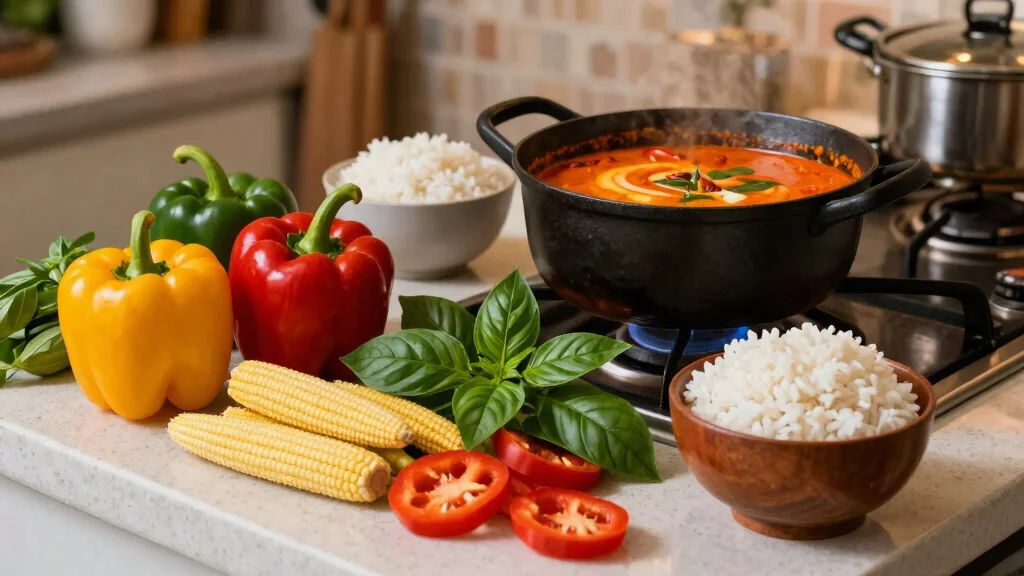
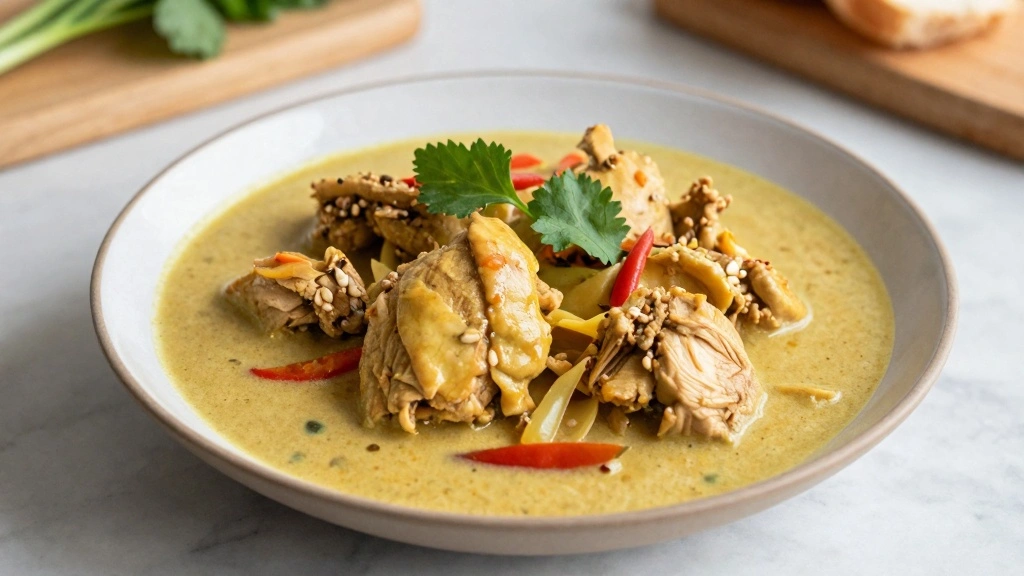
👉 Download Now – Just $2.90!Poulet au Curry Thai is a delightful fusion of French and Thai culinary traditions.
The creamy, aromatic coconut curry mingles with tender chicken, creating a symphony of flavors that tantalize the taste buds.
Inspired by my travels in Southeast Asia, this dish brings a touch of exotic spice to classic French cuisine.
Perfect for cozy dinners or special gatherings, it combines ease of preparation with an impressive presentation.
The balance of sweet, savory, and spicy flavors will make it a favorite in your recipe repertoire.
Whether you’re a fan of French cuisine or Thai spices, this dish offers the best of both worlds.
The History and Cultural Significance
• Poulet au Curry traces its origins to colonial Indochina, where French and Southeast Asian culinary traditions intersected.
• The dish evolved over decades as Thai ingredients like coconut milk and lemongrass were incorporated into French cooking techniques.
• In both French and Thai cultures, this dish traditionally appears at celebratory feasts, symbolizing culinary harmony and cultural exchange.
• While many variations exist across different regions, the authentic version maintains a delicate balance of flavors that sets it apart from imitations.


Recipe Overview
Nutritional Information (per serving)
Essential Equipment Guide
Wok: A wok is ideal for achieving the high heat needed to quickly sear the chicken and vegetables, enhancing the dish’s flavors. Alternatives include a large sauté pan, but look for one with a heavy bottom to maintain even heat distribution.
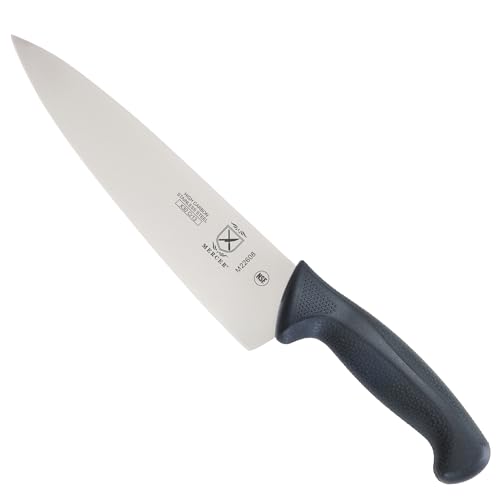
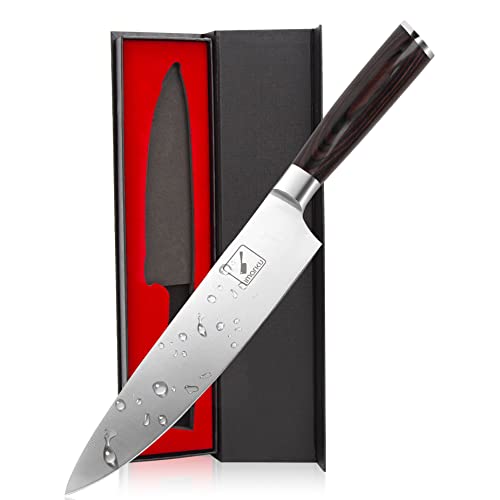
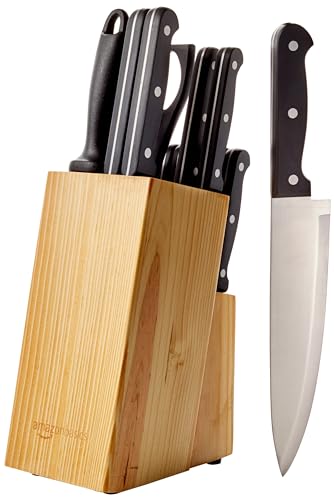
Chef’s Knife: A sharp chef’s knife is crucial for finely chopping herbs and vegetables, ensuring even cooking and texture. Look for a knife with a comfortable grip and a blade that holds its edge well.
Mortar and Pestle: This tool is important for crushing spices and herbs to release their full aroma. An electric spice grinder can be used as an alternative, but the manual method provides a more authentic texture.




Ingredients
For the Chicken
|
| Amount | Ingredient | Notes |
|---|---|---|
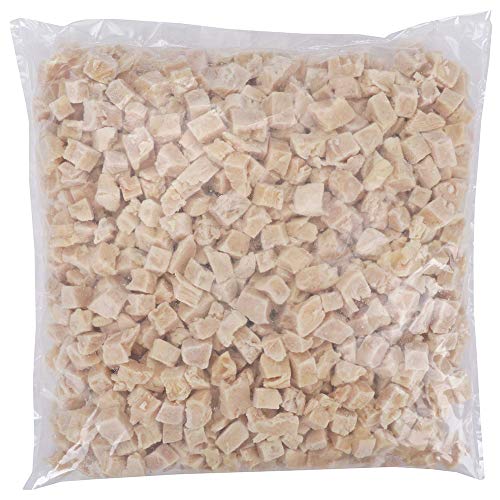
| 1 pound | chicken breast | cut into bite-sized pieces |
| 2 tablespoons | vegetable oil | for sautéing |
For the Sauce
| Amount | Ingredient | Notes |
|---|---|---|
| 1 cup | coconut milk | adds creaminess |
| 2 tablespoons | red curry paste | provides heat and flavor |
| 1 tablespoon | fish sauce | adds umami |
| 1 tablespoon | brown sugar | balances the flavors |
Vegetables
| Amount | Ingredient | Notes |
|---|---|---|
| 1 medium | onion | sliced thin |
| 1 cup | bell peppers | julienned |
| 1 cup | snap peas | trimmed |
Seasonings
| Amount | Ingredient | Notes |
|---|---|---|
| 2 cloves | garlic | minced |
| 1 tablespoon | ginger | grated |
| 1 teaspoon | lemongrass | finely chopped |
Garnishes
| Amount | Ingredient | Notes |
|---|---|---|
| 2 tablespoons | fresh cilantro | chopped |
| 1 tablespoon | lime juice | freshly squeezed |


Preparation Methods
Mise en Place: This French culinary technique involves preparing and organizing all ingredients before cooking. It ensures a smooth cooking process and helps avoid mistakes.
Blooming Spices: This technique involves cooking spices in hot oil to enhance their flavors. It's crucial for developing the curry's depth and aroma.
Simmering: Gently cooking the curry at a low temperature allows flavors to meld without boiling, preserving the delicate balance of the dish.




Step 1: Prepare Ingredients
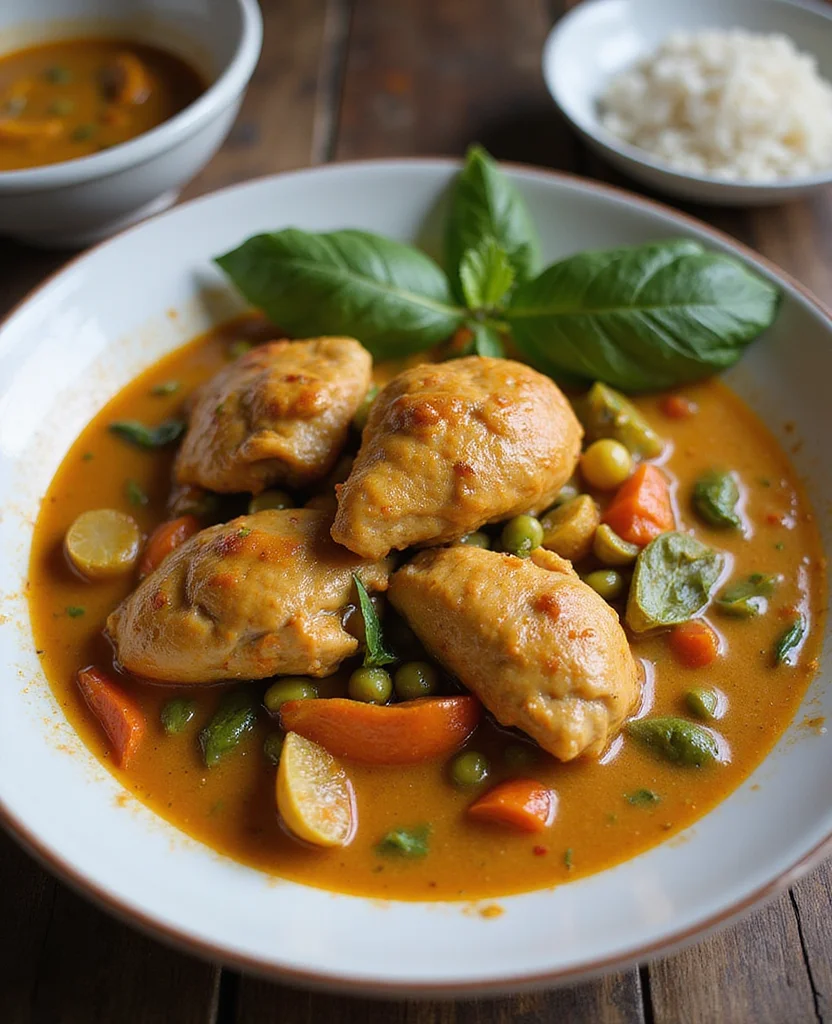
Gather all ingredients and equipment.
Chop chicken into bite-sized pieces and set aside.
Slice onions, julienne bell peppers, and trim snap peas.
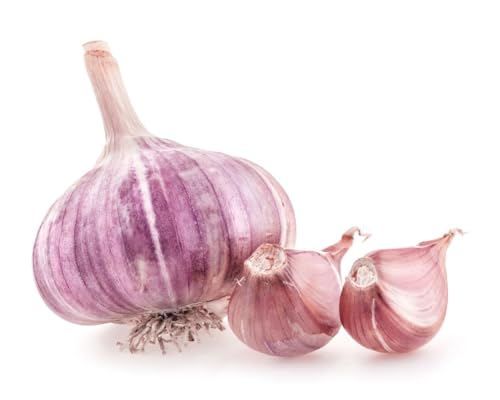
Mince garlic and grate ginger for the seasoning.



Step 2: Heat the Wok
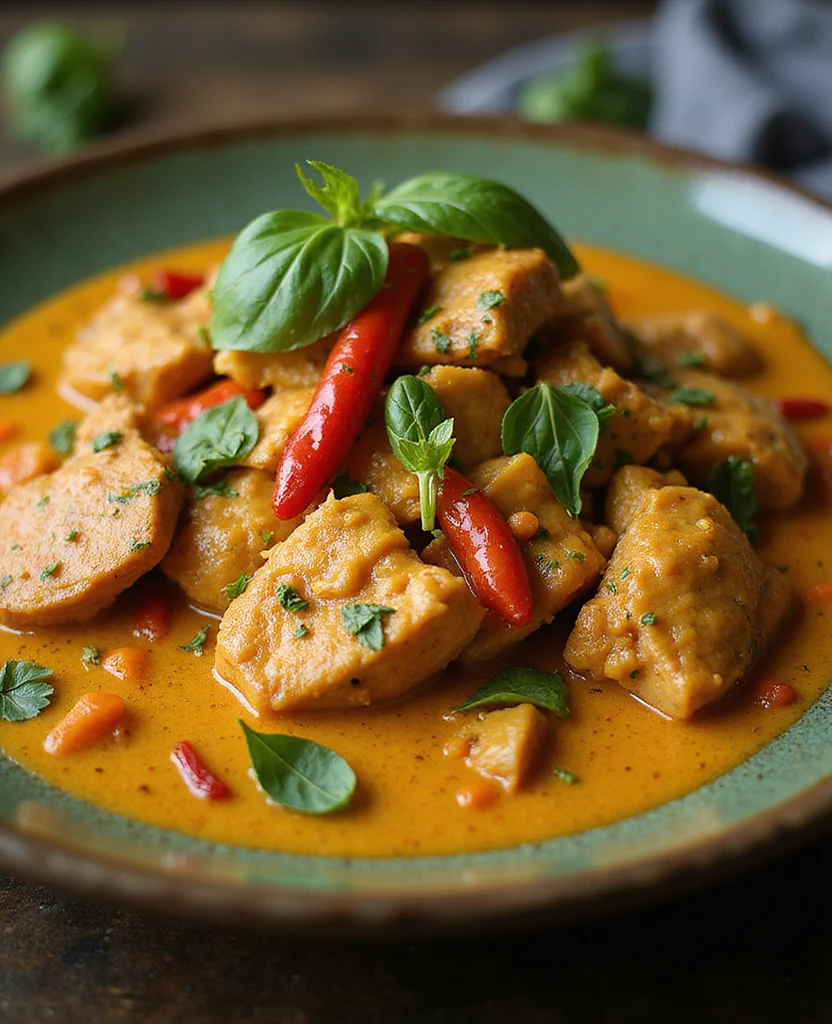
Place the wok over medium-high heat.
Add vegetable oil and heat until shimmering.
Ensure the wok is hot enough to sear the chicken quickly.
Avoid overcrowding to maintain high heat.


Step 3: Sear the Chicken
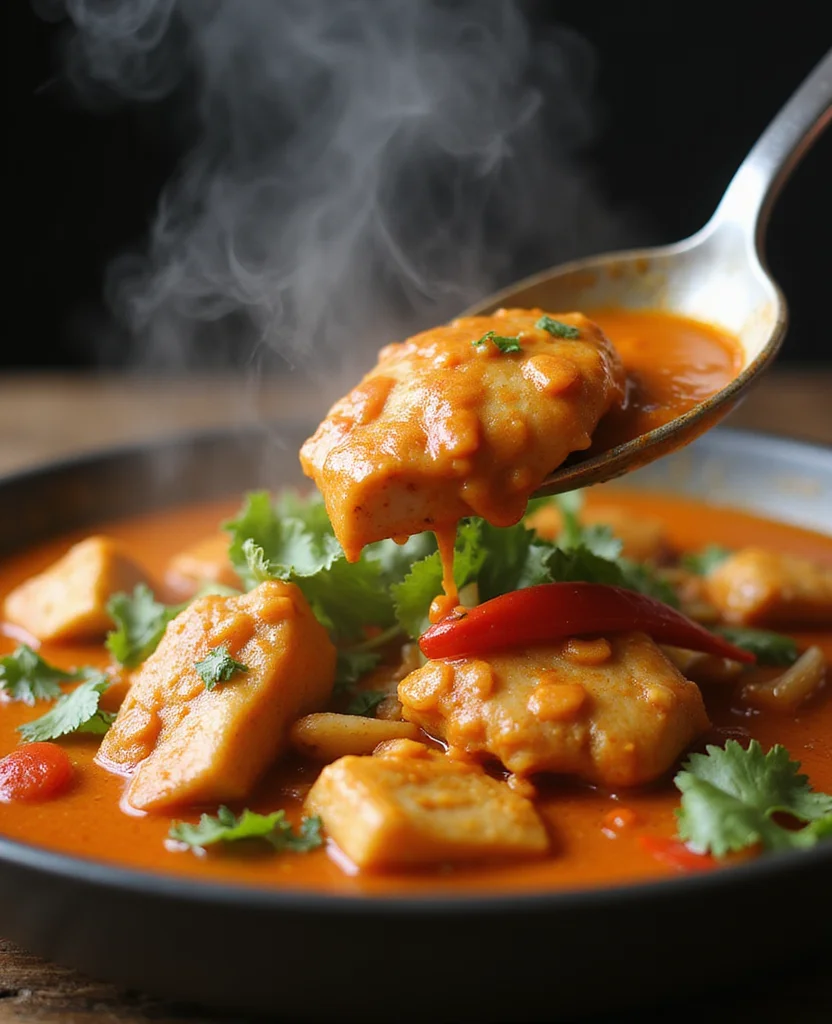
Add chicken pieces to the hot wok.
Sear until golden brown on all sides.
Work in batches if necessary to prevent steaming.
Remove and set aside once browned.
Step 4: Sauté Vegetables
Add more oil if needed to the wok.
Sauté onions until translucent.
Add bell peppers and snap peas, stirring frequently.
Cook until vegetables are tender-crisp.
Step 5: Bloom the Spices
Create a well in the center of the wok.
Add garlic, ginger, and lemongrass.
Cook until fragrant, about 30 seconds.
Ensure not to burn the spices.
Step 6: Prepare the Sauce
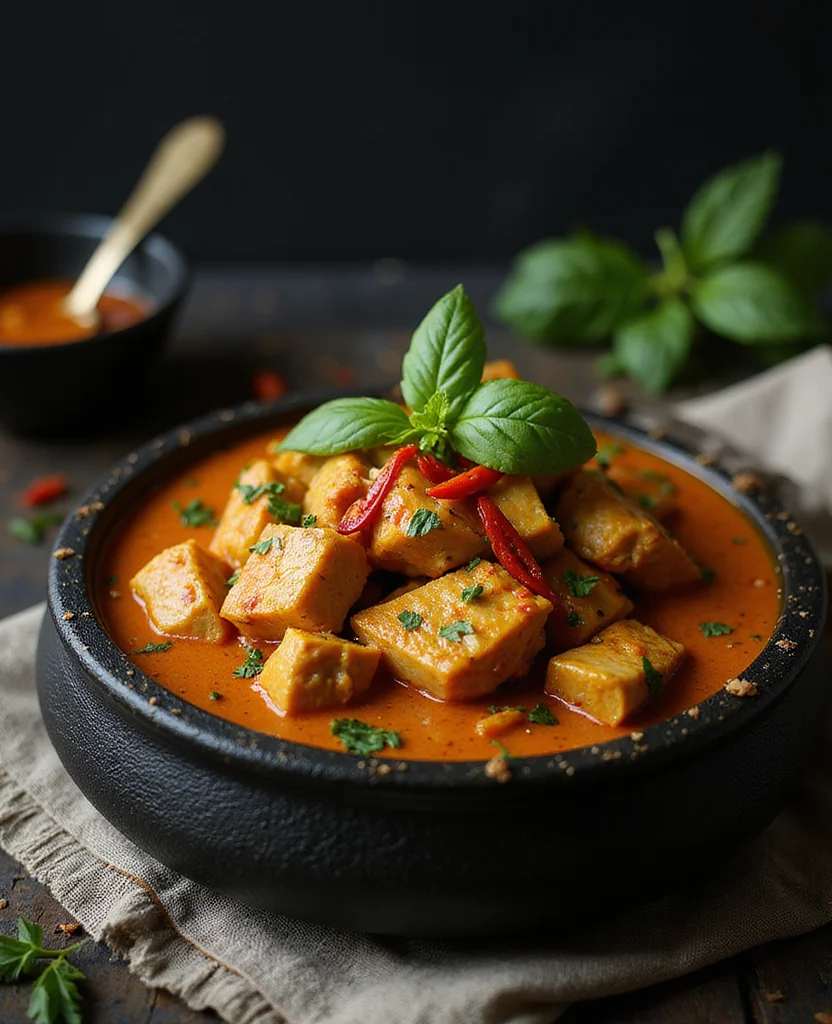
Stir in red curry paste, mixing well with spices.
Add coconut milk, stirring to combine.
Bring to a gentle simmer.
Add fish sauce and brown sugar, stirring to dissolve.


Step 7: Simmer and Combine
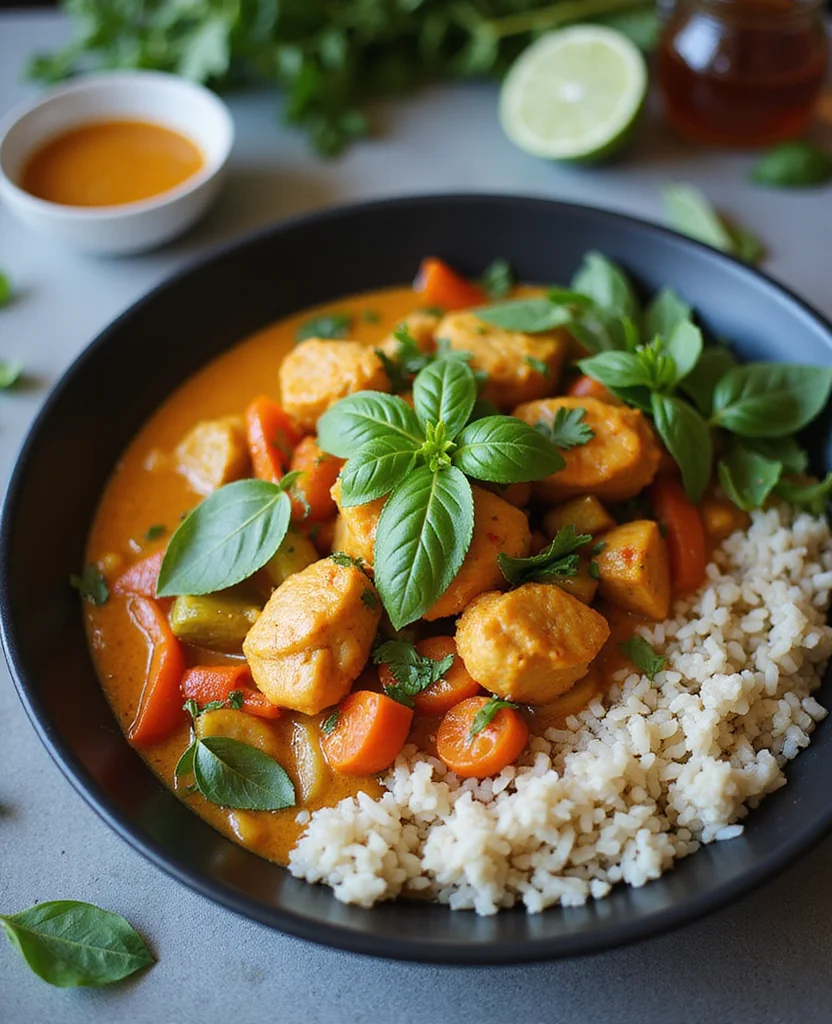
Return chicken to the wok, ensuring it's submerged.
Simmer gently to meld flavors.
Cook until chicken is fully cooked through.
Stir occasionally to prevent sticking.
Step 8: Garnish and Serve
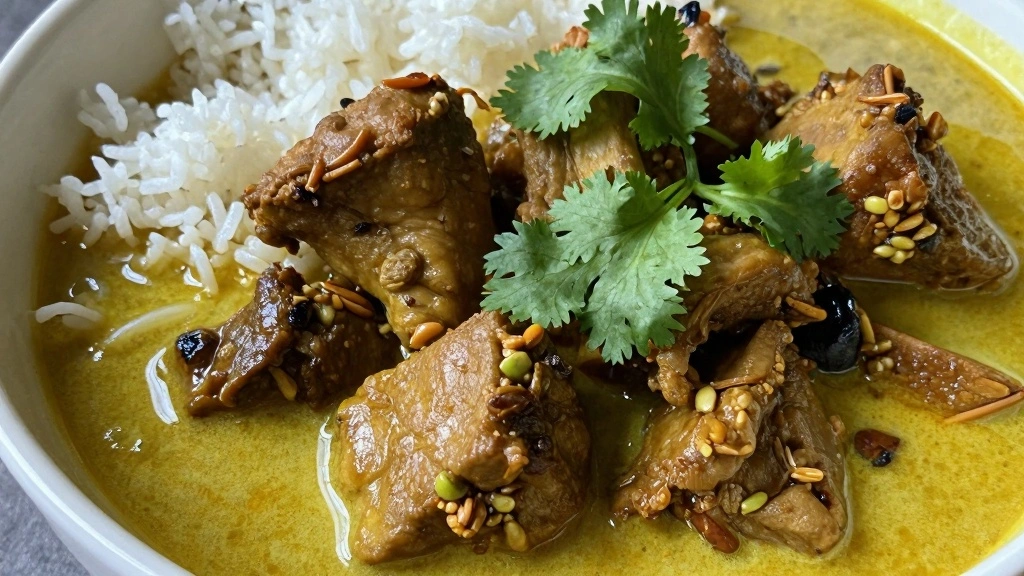
Taste and adjust seasoning if needed.
Stir in lime juice for brightness.
Garnish with chopped cilantro before serving.
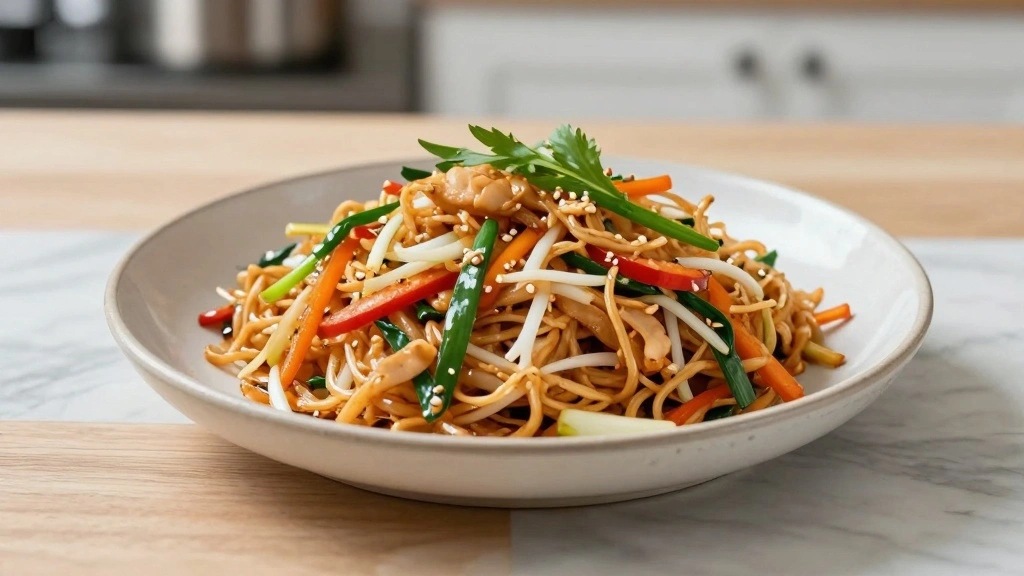
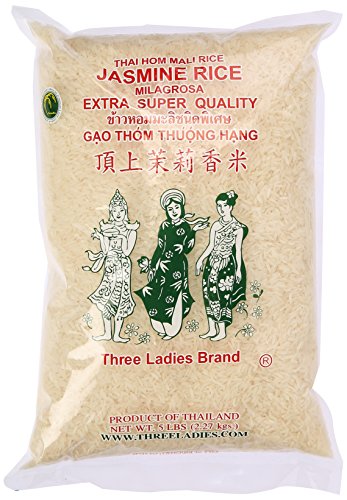
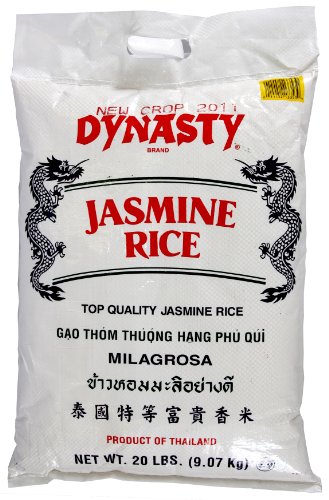
Serve hot with jasmine rice or noodles.


Critical Timing and Temperature Guide
Searing Chicken: Sear chicken for about 3-4 minutes per side over medium-high heat, until golden brown. Avoid overcrowding the pan to ensure proper browning.
Sautéing Vegetables: Cook vegetables over medium heat for 5-7 minutes, until tender-crisp. Do not overcook to maintain vibrant color and texture.
Simmering Curry: Simmer curry over low heat for 10-15 minutes. Look for a gentle bubble and adjust heat to prevent boiling, which can cause the sauce to separate.




Pro Tips for Poulet au Curry
• Ingredient Selection: Use fresh coconut milk for the richest flavor and texture. Opt for organic chicken for the best quality.
• Preparation Secret: Marinate chicken in a little lime juice and salt before cooking to enhance flavor and tenderness.
• Temperature Management: Ensure the wok is hot before adding ingredients to achieve proper searing and prevent steaming.
• Texture Enhancement: Stir-fry vegetables quickly over high heat to maintain a crisp texture.
• Flavor Layering: Add lime juice at the end of cooking to brighten the dish and enhance complex flavors.
• Make-Ahead Strategies: Prepare the curry paste and chop vegetables ahead of time, storing them in airtight containers in the fridge for up to 2 days.
• Restaurant-Quality Finishing Touches: Garnish with fresh herbs and a lime wedge for a professional presentation.
• Equipment Optimization: Use a heavy-bottomed wok or pan to ensure even heat distribution and prevent sticking.



Troubleshooting Common Issues
• Texture Too Dense: Overcooked chicken can become tough. Ensure you do not overcook during searing and simmering stages.
• Flavors Unbalanced: If the dish is too salty or spicy, balance with additional coconut milk or a touch of sugar.
• Sauce Separation: Avoid boiling the sauce, as high heat can cause coconut milk to separate. Maintain a gentle simmer.
• Vegetables Overcooked: Sauté vegetables until just tender-crisp. Remove from heat promptly to prevent further cooking.
• Lack of Aroma: Ensure spices are fresh and properly bloomed in hot oil to release their full aroma and flavor.
• Chicken Sticks to Pan: Ensure the wok is properly heated and oiled before adding chicken to prevent sticking.
Variations and Regional Differences
• Thai Red Curry Variation: Uses Thai basil and kaffir lime leaves for an authentic Thai twist, enhancing aromatic qualities.
• French Creamy Variation: Incorporates crème fraîche in place of some coconut milk for a richer, creamier texture, typical of French cuisine.
• Vegetarian Version: Substitute chicken with tofu or paneer, and add more vegetables like zucchini and mushrooms for a hearty meal.
• Spicy Sichuan Variation: Adds Sichuan peppercorns for a numbing heat, creating a unique fusion of flavors.



Food Science Behind the Recipe
• Maillard Reaction: The searing of chicken involves the Maillard reaction, which enhances flavor through browning.
• Emulsification: The combination of coconut milk and curry paste creates an emulsion, giving the sauce its creamy texture.
• Spice Volatilization: Blooming spices in hot oil releases volatile compounds, intensifying the dish's aromatic profile.



Frequently Asked Questions
What's the most common mistake people make when preparing Poulet au Curry Thai? Overcooking the chicken is a common error. Ensure you sear it quickly and simmer gently.
Can I use store-bought curry paste? Yes, but homemade paste offers fresher, more vibrant flavors and can be customized to your taste.
What if I can't find lemongrass? Substitute with lemon zest for a similar citrusy note, though the flavor will be slightly different.
How do I adjust the spice level? Control the heat by adjusting the amount of red curry paste or adding chili peppers for more spice.
Can this dish be made ahead? Yes, prepare the curry up to two days in advance, storing it in the refrigerator. Reheat gently before serving.
What should I serve with this dish? Jasmine rice or noodles complement the curry well, soaking up the flavorful sauce.
How do I store leftovers? Store in an airtight container in the refrigerator for up to three days. Reheat gently to avoid overcooking.
Serving and Presentation Guide
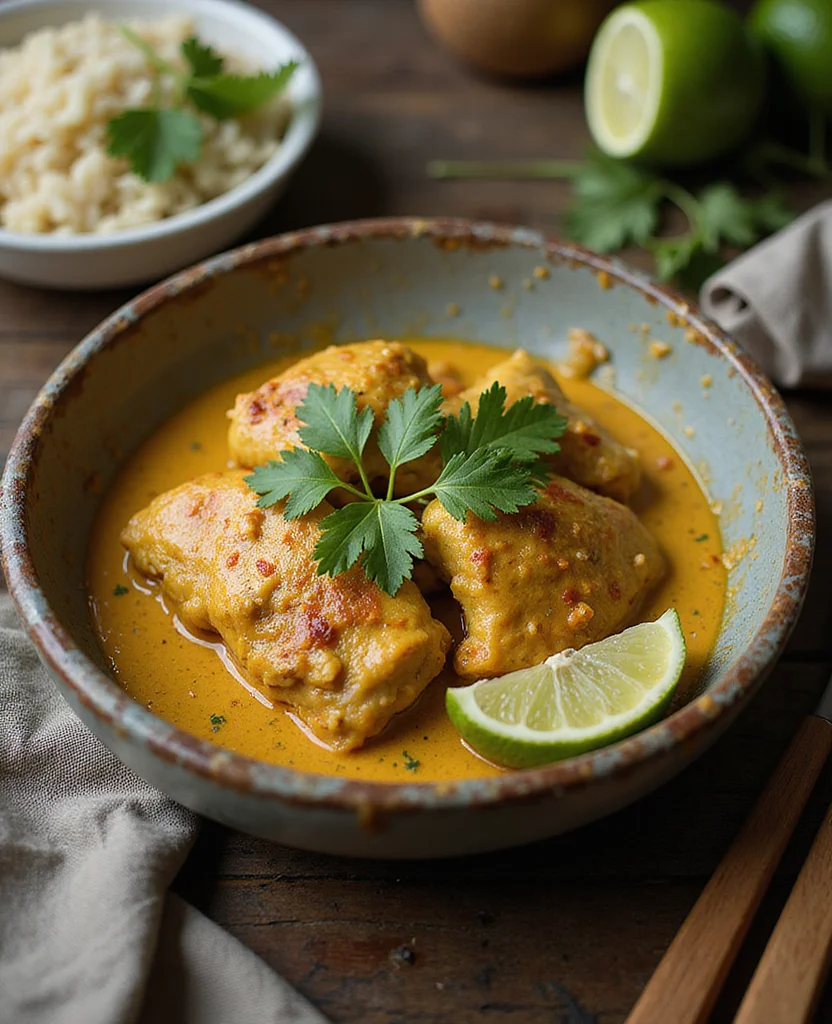
• Traditional Presentation: Serve in a shallow bowl, garnished with cilantro and a lime wedge, alongside jasmine rice.
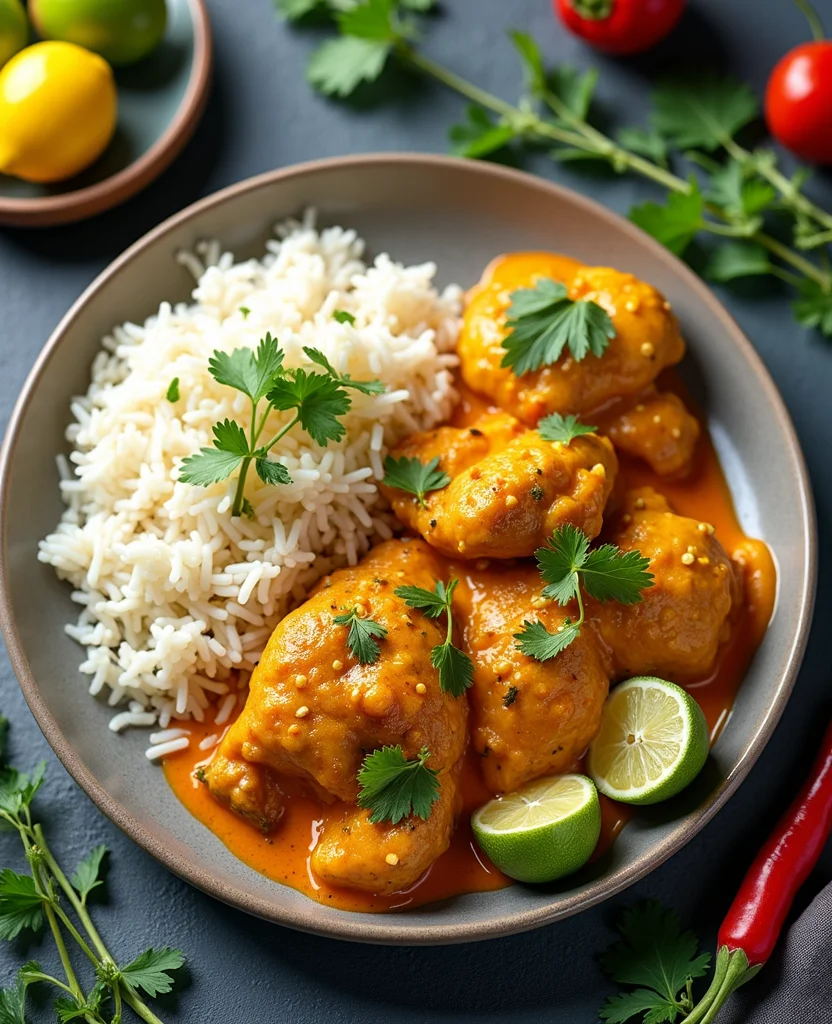
• Modern Plating: Use a large white plate to create contrast, arranging chicken and vegetables artfully with a drizzle of sauce.
• Family Style: Present in a large serving dish at the table, allowing guests to help themselves.
• Bento-Style: For packed lunches, portion curry with rice in a divided container, ensuring flavors don't mix until ready to eat.


Conclusion
Poulet au Curry Thai is a delicious fusion dish that brings the best of French and Thai cuisines together.
With its rich flavors and easy preparation, it's a meal that will impress family and friends alike.
Try this recipe for a taste of culinary adventure in the comfort of your own home.