
365 Low-Fat Main Dishes — One Recipe for Every Day!
Easy, beginner-friendly, with full nutrition info.
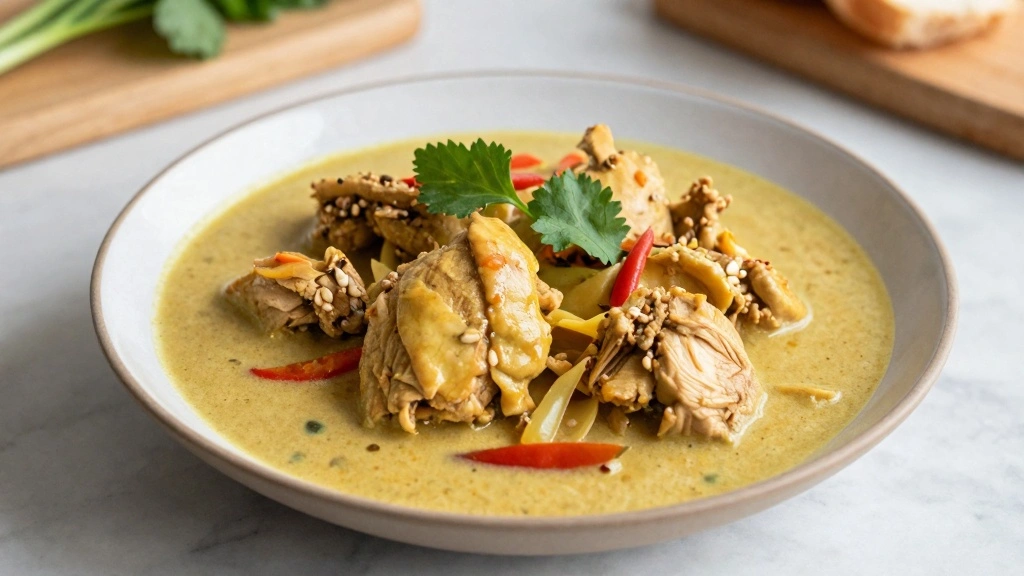
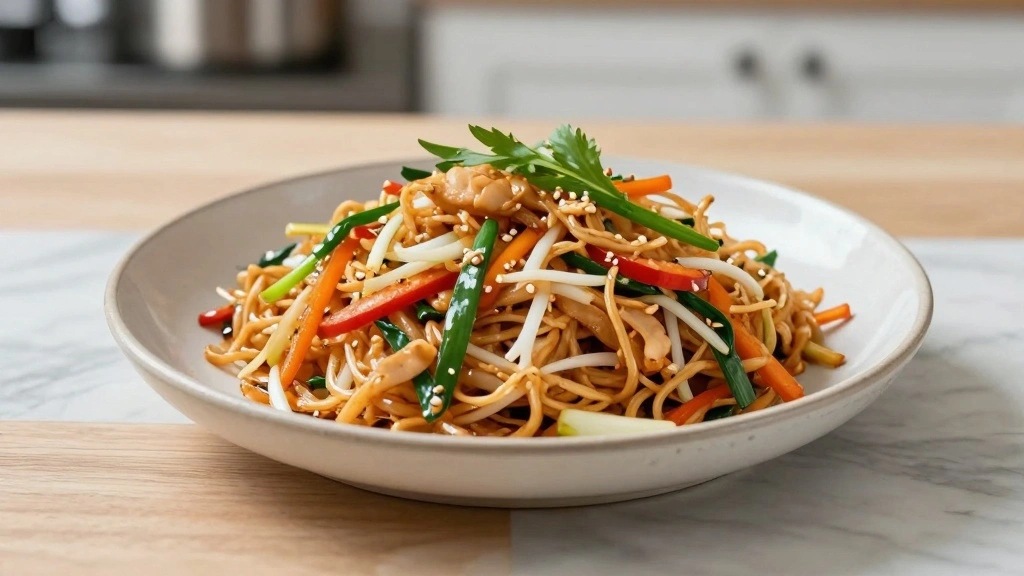
👉 Download Now – Just $2.90!This Thai Chicken Noodle Salad brings together the vibrant flavors of Thailand in a warm and tangy dish that invigorates the senses.
The ensemble of spicy, sweet, and sour notes creates a memorable dining experience that will have everyone asking for your secret.
I discovered this recipe during my travels through Bangkok, where local chefs have perfected it through generations of careful refinement.
Whether you’re preparing a casual family dinner or hosting a special celebration, this Thai Chicken Noodle Salad delivers impressive results with straightforward preparation.
The History and Cultural Significance
• Thai Chicken Noodle traces its origins to Central Thailand, where it was originally created by street vendors in bustling markets.
• The dish evolved over decades as regional variations were introduced, eventually becoming the beloved version we know today.
• In Thai culture, this dish traditionally appears at family gatherings, symbolizing unity and shared joy.
• While many variations exist across different regions, the authentic version maintains a balance of spicy and tangy flavors that sets it apart from imitations.




Recipe Overview
Nutritional Information (per serving)


Essential Equipment Guide
Wok: A wok is crucial for achieving authentic results, as its high sides and even heat distribution allow for quick stir-frying. A large skillet can be a substitute, but look for one with a thick base.
Mortar and Pestle: This tool is essential for crushing garlic and chili peppers to release their oils and enhance flavor. A food processor can be an alternative, but it may not achieve the same texture.
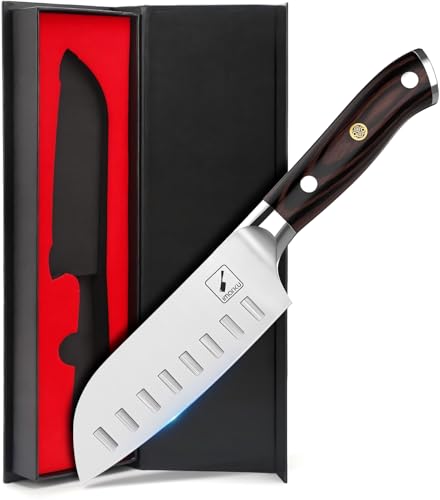
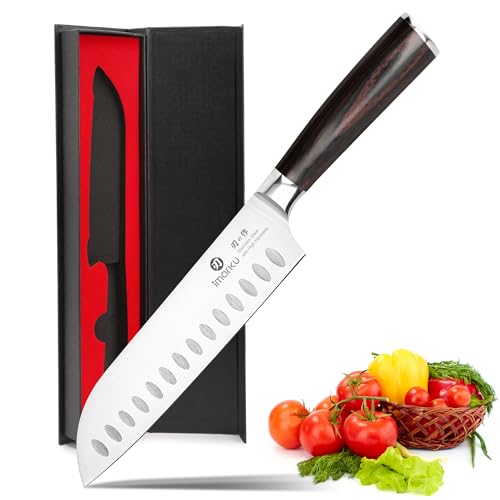
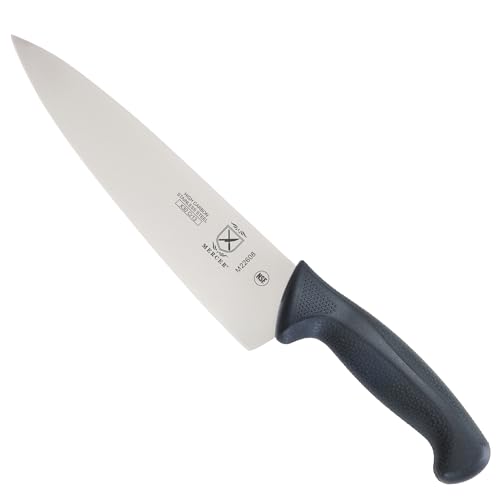
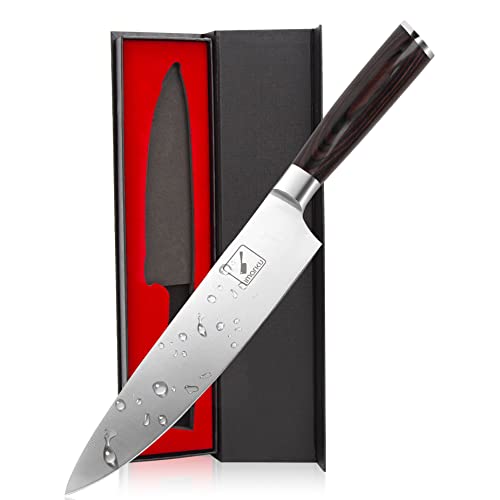
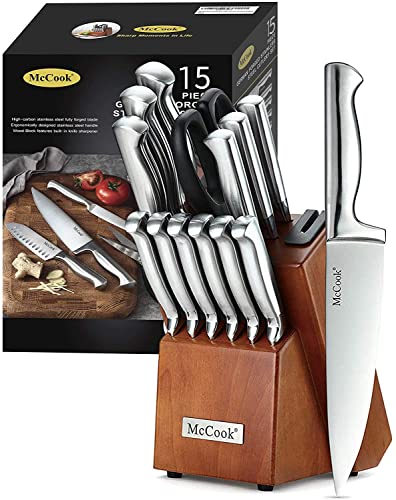
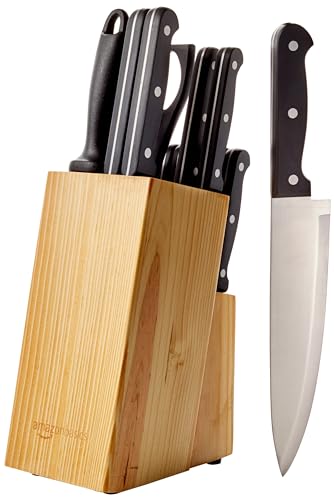
Sharp Chef’s Knife: Precision is key when slicing the chicken and vegetables, and a sharp knife ensures clean cuts. Ensure the knife is well-balanced and comfortable to handle.


Ingredients
For the Base
|
| Amount | Ingredient | Notes |
|---|---|---|
| 200 grams | rice noodles | cooked according to package instructions |
| 400 grams | chicken breast | thinly sliced |
For the Sauce
| Amount | Ingredient | Notes |
|---|---|---|
| 3 tablespoons | fish sauce | adds savory depth |
| 2 tablespoons | lime juice | provides tang |
| 1 tablespoon | palm sugar | balances flavors |
Vegetables
| Amount | Ingredient | Notes |
|---|---|---|
| 1 cup | bean sprouts | fresh and crisp |
| 1 medium | carrot | julienned |
| 1 cup | cucumber | sliced thinly |
Seasonings
| Amount | Ingredient | Notes |
|---|---|---|
| 2 cloves | garlic | crushed |
| 1 teaspoon | chili flakes | adds heat |
| 1 tablespoon | fresh cilantro | chopped for garnish |


Preparation Methods
Stir-Frying: Stir-frying is a method of quickly cooking food over high heat in minimal oil. This technique is crucial for retaining the texture and color of vegetables while infusing them with flavor. Ensure all ingredients are prepared before starting, as the process moves quickly.
Emulsifying: Emulsifying involves combining two liquids that normally don't mix well, such as oil and lime juice. This technique is important for creating a smooth and cohesive dressing. Whisk vigorously while slowly adding the oil to achieve the desired texture.
Julienning: Julienning is a technique for cutting vegetables into thin, matchstick-like strips. This method is important for even cooking and presentation. Use a sharp knife and steady hand for precision cuts.


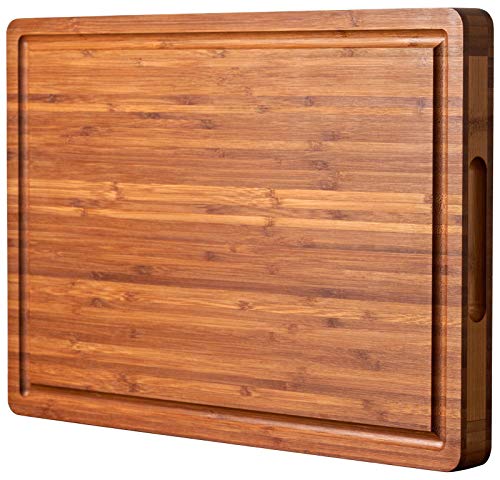


Step 1: Prepare Ingredients
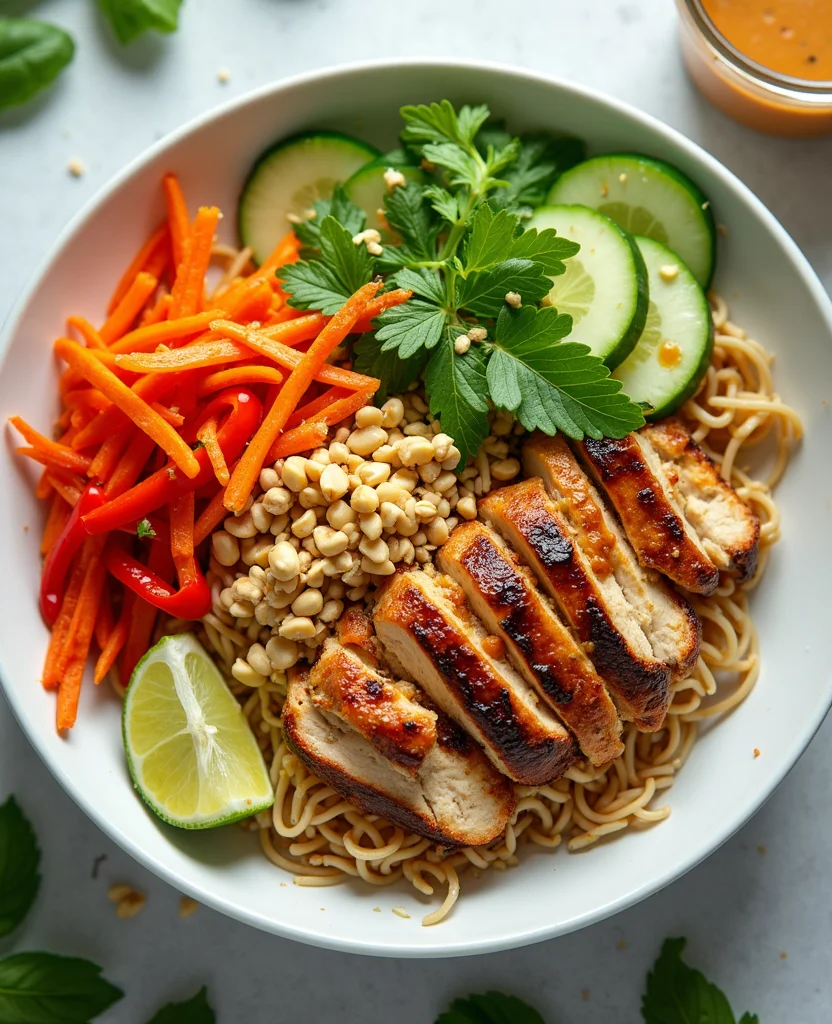
Gather all necessary ingredients and equipment.
Wash and dry all fresh produce, ensuring they are free from dirt.
Julienne the carrot and slice the cucumber thinly.
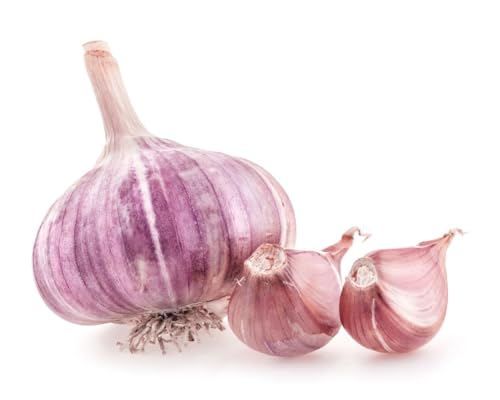
Crush the garlic using a mortar and pestle to release its oils.



Step 2: Cook the Noodles
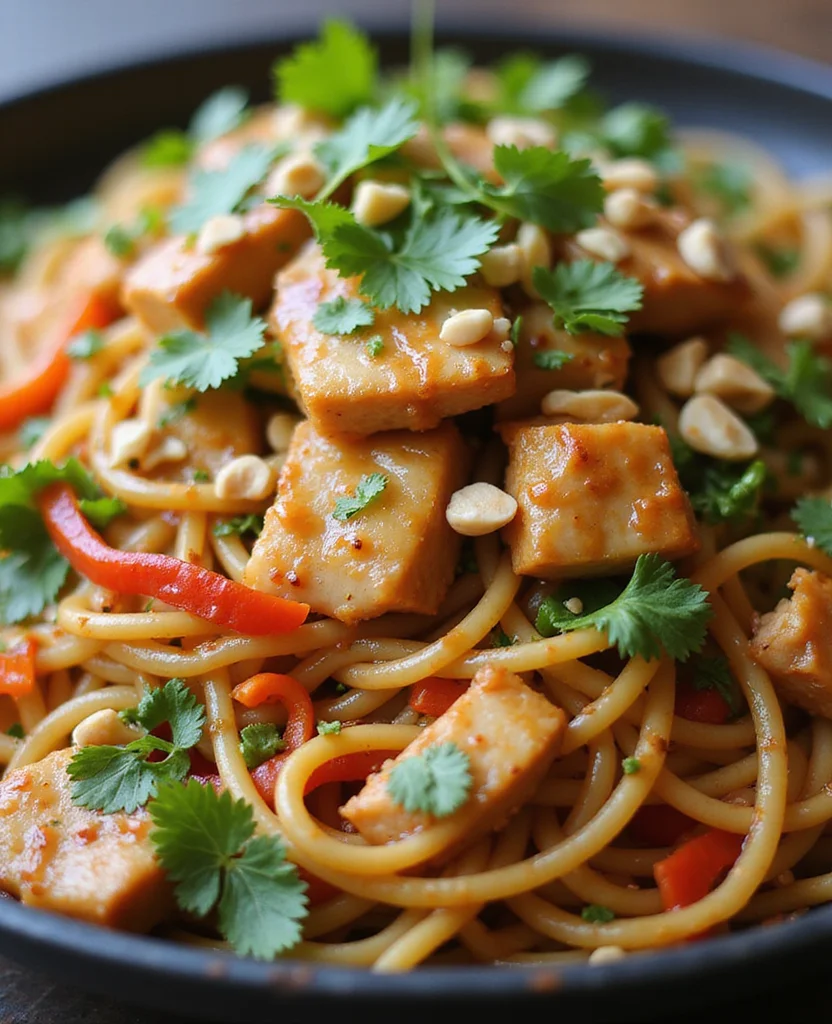
Bring a large pot of water to a boil over high heat.
Add the rice noodles and cook according to package instructions until tender.
Drain the noodles and rinse under cold water to stop the cooking process.
Set aside in a large mixing bowl.


Step 3: Prepare the Sauce
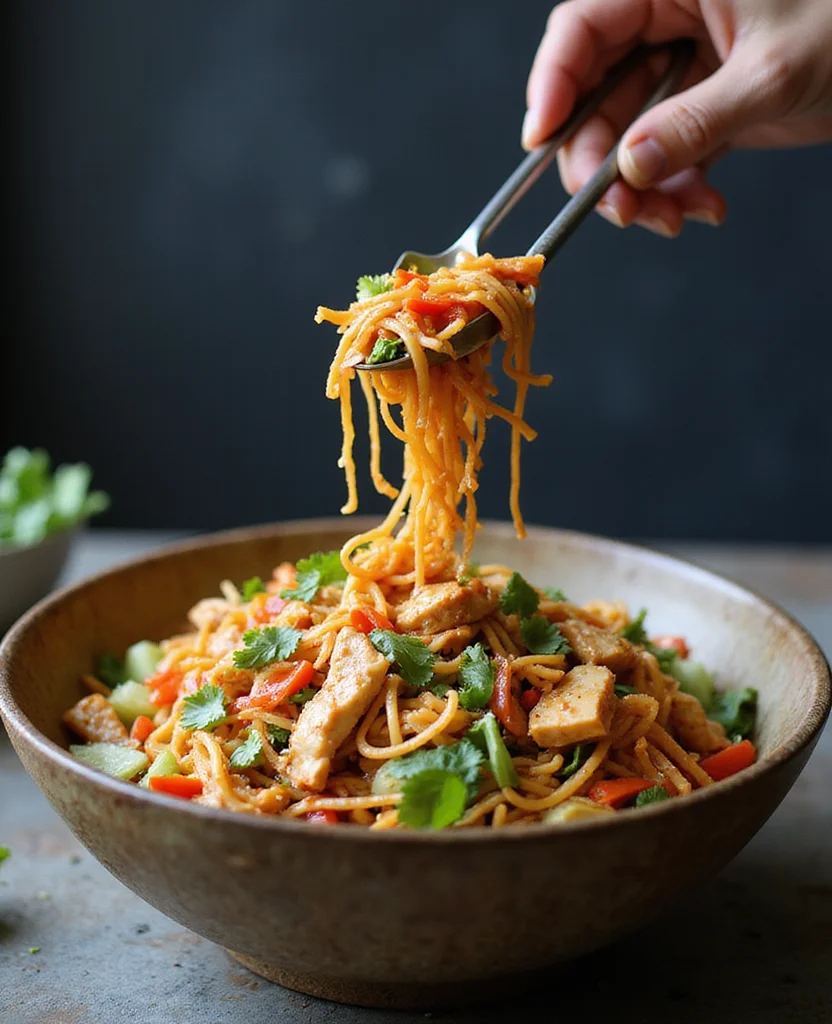
In a small bowl, combine fish sauce, lime juice, and palm sugar.
Whisk until the sugar is fully dissolved and the mixture is smooth.
Taste and adjust seasoning as necessary, balancing sweet and tangy flavors.
Set aside for later use.


Step 4: Stir-Fry the Chicken
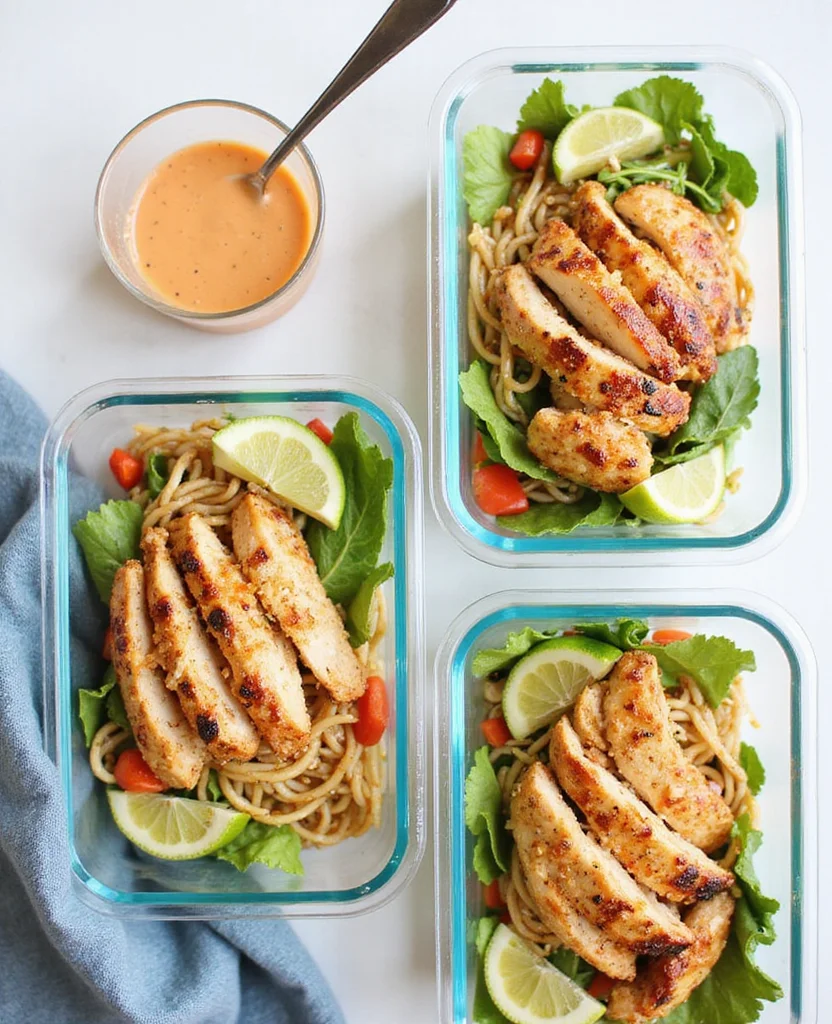
Heat a wok over medium-high heat and add a tablespoon of oil.
Add the sliced chicken breast and stir-fry until cooked through, about 5-7 minutes.
Ensure the chicken is evenly browned and no pink remains.
Remove from heat and set aside.



Step 5: Combine Salad Ingredients
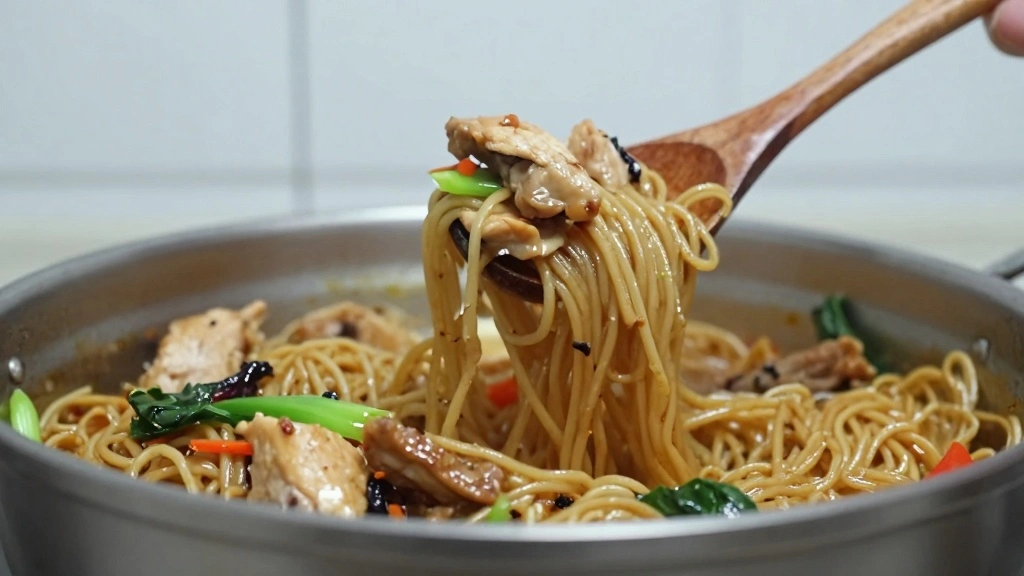
In the large mixing bowl with noodles, add the cooked chicken, bean sprouts, carrot, and cucumber.
Pour the prepared sauce over the noodle mixture.
Toss everything together gently to coat with the sauce.
Ensure all ingredients are evenly distributed.




Step 6: Season the Salad
Sprinkle crushed garlic and chili flakes over the salad.
Toss again to distribute the seasonings evenly.
Taste and adjust seasoning if necessary, adding more chili flakes for extra heat.
Garnish with chopped cilantro.



Step 7: Serve the Salad
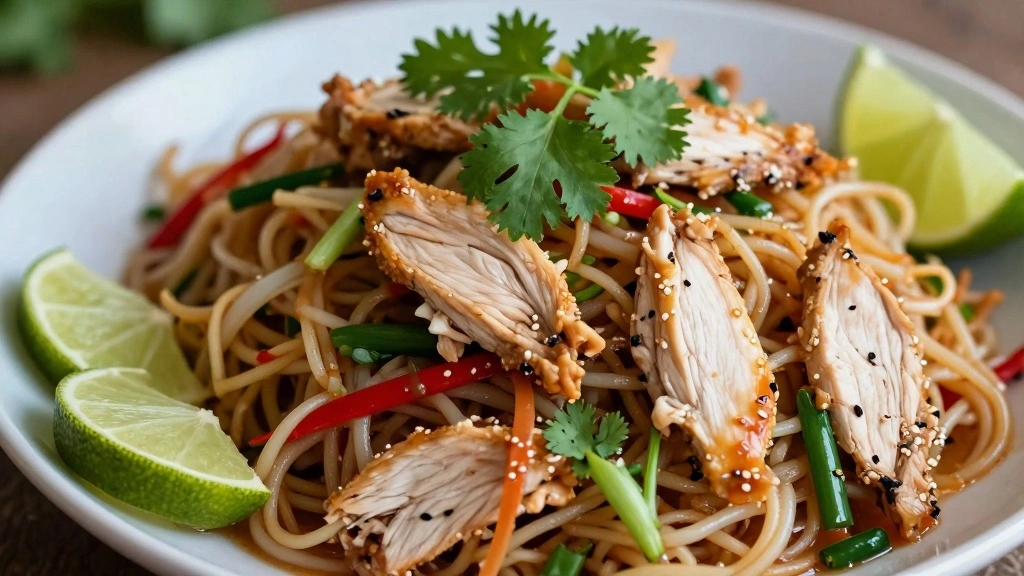
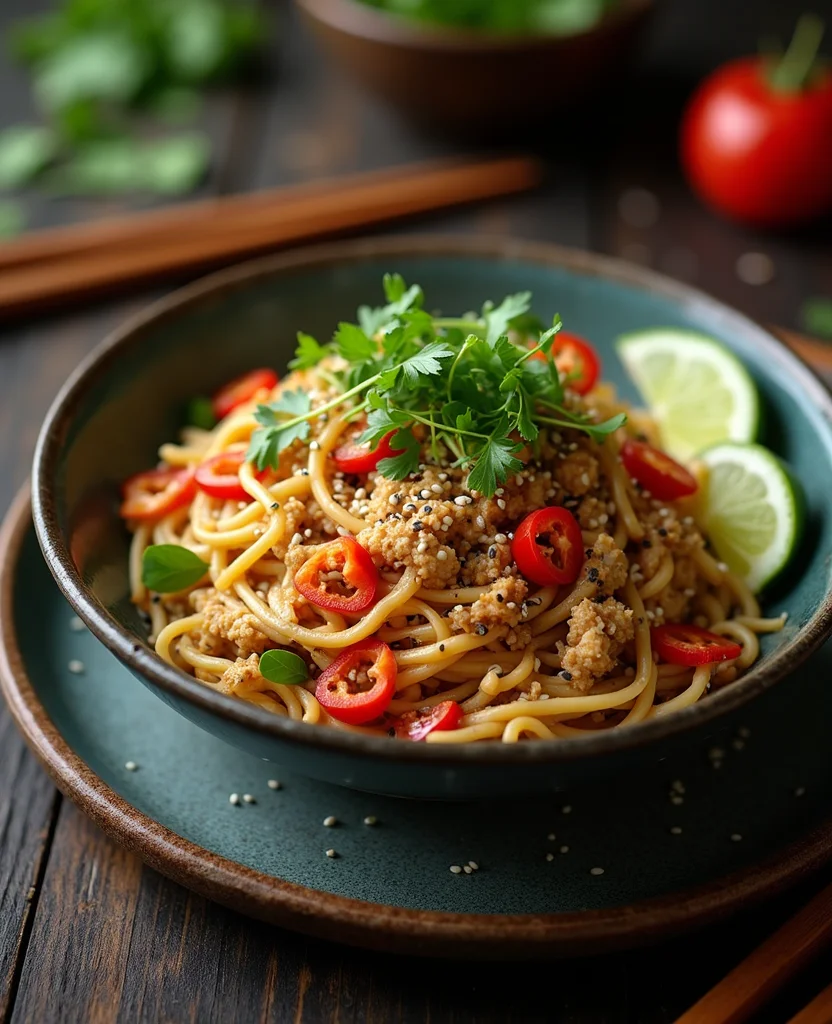
Transfer the salad to individual serving plates or bowls.
Arrange to present attractively, ensuring a good mix of ingredients in each portion.
Garnish with additional cilantro and lime wedges if desired.
Serve immediately while warm.
Step 8: Garnish and Enjoy
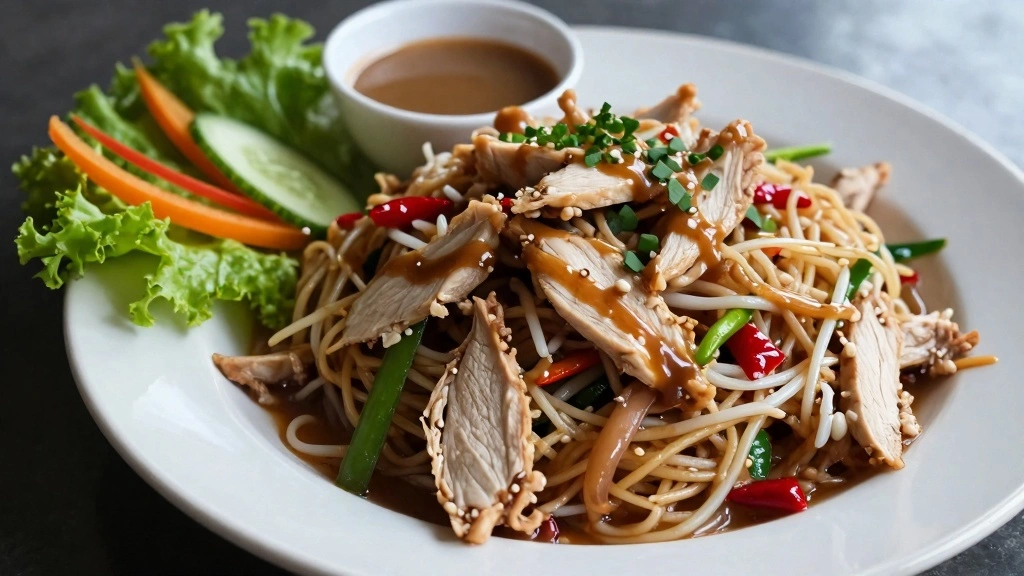
Add a final drizzle of sauce if desired for extra flavor.
Sprinkle additional cilantro for a fresh burst of color.
Encourage diners to squeeze lime wedges over their serving to enhance tanginess.
Enjoy the vibrant and warm flavors of the salad.
Critical Timing and Temperature Guide
Cooking Noodles: Cook for 8-10 minutes until al dente, checking for tenderness without overcooking, as mushy noodles will affect texture.
Stir-Frying Chicken: Cook at medium-high heat for 5-7 minutes, ensuring chicken is evenly browned and cooked through, avoiding dry or undercooked pieces.
Sauce Emulsification: Whisk sauce ingredients for 2-3 minutes until smooth, ensuring sugar is fully dissolved to prevent graininess.
Pro Tips for Thai Chicken Noodle
• Ingredient Selection: Choose fresh, high-quality chicken breast and crisp vegetables for the best texture and flavor.
• Preparation Secret: Soak noodles briefly in cold water after cooking to prevent sticking and enhance texture.
• Temperature Management: Ensure the wok is hot before adding chicken to achieve a quick sear and prevent sticking.
• Texture Enhancement: Use a sharp knife for precise cuts and even cooking of vegetables.
• Flavor Layering: Toast chili flakes lightly in the wok before adding to the salad for a deeper flavor profile.
• Make-Ahead Strategies: Prepare the sauce and slice vegetables in advance, storing them separately in airtight containers for up to 24 hours.
• Restaurant-Quality Finishing Touches: Garnish with fresh herbs and lime wedges for a vibrant presentation.
• Equipment Optimization: Ensure the wok is well-seasoned to prevent sticking and enhance flavor.


Troubleshooting Common Issues
• Noodles Clumping: Overcooked or improperly rinsed noodles can stick together; rinse in cold water and toss with a little oil.
• Chicken Too Dry: Overcooked chicken loses moisture; cook just until no pink remains and let it rest briefly before cutting.
• Flavors Unbalanced: If the sauce is too salty, add a bit more lime juice or sugar to balance the taste.
• Vegetables Not Crisp: Cooked or wilted vegetables can ruin texture; add them at the end and toss gently.
• Spice Level Too High: Too much chili can overpower the dish; start with a small amount and adjust to taste.
Variations and Regional Differences
• Northern Style: Incorporates roasted peanuts and dried shrimp, adding a nutty flavor and chewy texture unique to the region.
• Southern Style: Features coconut milk in the sauce, providing a creamy and rich contrast to the tangy elements.
• Vegetarian Variation: Uses tofu instead of chicken for a plant-based option, often with additional mushrooms for umami.
• Street Food Style: Typically spicier and served with pickled vegetables, reflecting the bold flavors of Thai street cuisine.



Food Science Behind the Recipe
• Maillard Reaction: The Maillard reaction occurs when chicken is stir-fried, creating complex flavors and a golden-brown color.
• Emulsification: Emulsifying the sauce ingredients ensures a smooth, cohesive dressing that clings to the noodles and vegetables.
• Acid-Base Balance: Lime juice acts as an acid to balance the umami of fish sauce and sweetness of palm sugar, creating a harmonious flavor profile.



Frequently Asked Questions
What's the most common mistake people make when preparing Thai Chicken Noodle Salad? Overcooking the noodles, which results in a mushy texture.
Can I make this dish ahead of time? You can prepare components like the sauce and sliced vegetables in advance, but assemble just before serving for the best texture.
How can I adjust the spice level? Start with a small amount of chili flakes and increase to taste, or offer chili on the side for individual preference.
Is it possible to substitute the fish sauce? Soy sauce can be used as a substitute, though it alters the flavor profile slightly.
What type of noodles should I use? Rice noodles are traditional, but glass noodles can be used for a different texture.
Why is my chicken not browning properly? Ensure the wok is hot and not overcrowded when stir-frying, allowing space for even browning.
How do I store leftovers? Store in an airtight container in the refrigerator for up to two days, though the texture may change.
Serving and Presentation Guide
• Traditional Presentation: Serve in a large communal bowl for sharing, garnished with cilantro and lime wedges.
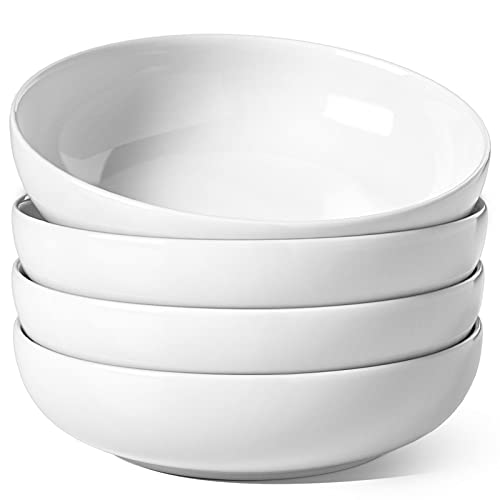
• Individual Plating: Arrange in shallow bowls with a small mound of noodles topped with chicken and vegetables.
• Family Style: Present on a large platter with tongs for easy serving at the table.
• Garnish Focus: Use fresh herbs and a drizzle of sauce to enhance visual appeal and aroma.



Conclusion
This Thai Chicken Noodle Salad is a vibrant and flavorful dish that captures the essence of Thai cuisine.
With its combination of textures and balanced flavors, it is sure to impress at any gathering.
Don't hesitate to experiment with spice levels and garnishes to make it your own.